


A new study examining thousands of recordings of sperm whale vocalizations in the Mediterranean Sea finds that whales in different regions show distinct click-pattern “dialects.” Sperm whales communicate using sequences of short clicks known as codas, and the rhythmic pattern of these clicks can vary among social groups. Researchers report that matriarchal groups in the eastern and western Mediterranean produce different vocal patterns, suggesting that geographically separated groups are developing their own dialects. One account describes evidence consistent with the population forming two groups with different dialects, rather than a single uniform pattern across the sea. The study also characterizes the dialects as being used to help maintain social structure within matriarchal groupings. Overall, the findings draw an analogy to human languages by showing that communication systems can change between groups over time, potentially reflecting limited mixing and local development. The study is published in the Proceedings of the Royal Society B, and the researchers use the audio recordings to compare vocalizations across regions.
Study finds distinct sperm whale vocal “dialects” on opposite sides of the Mediterranean
A new study examining thousands of recordings of sperm whale vocalizations in the Mediterranean Sea finds that whales in different regions show distinct click-pattern “dialects.” Sperm whales communic...
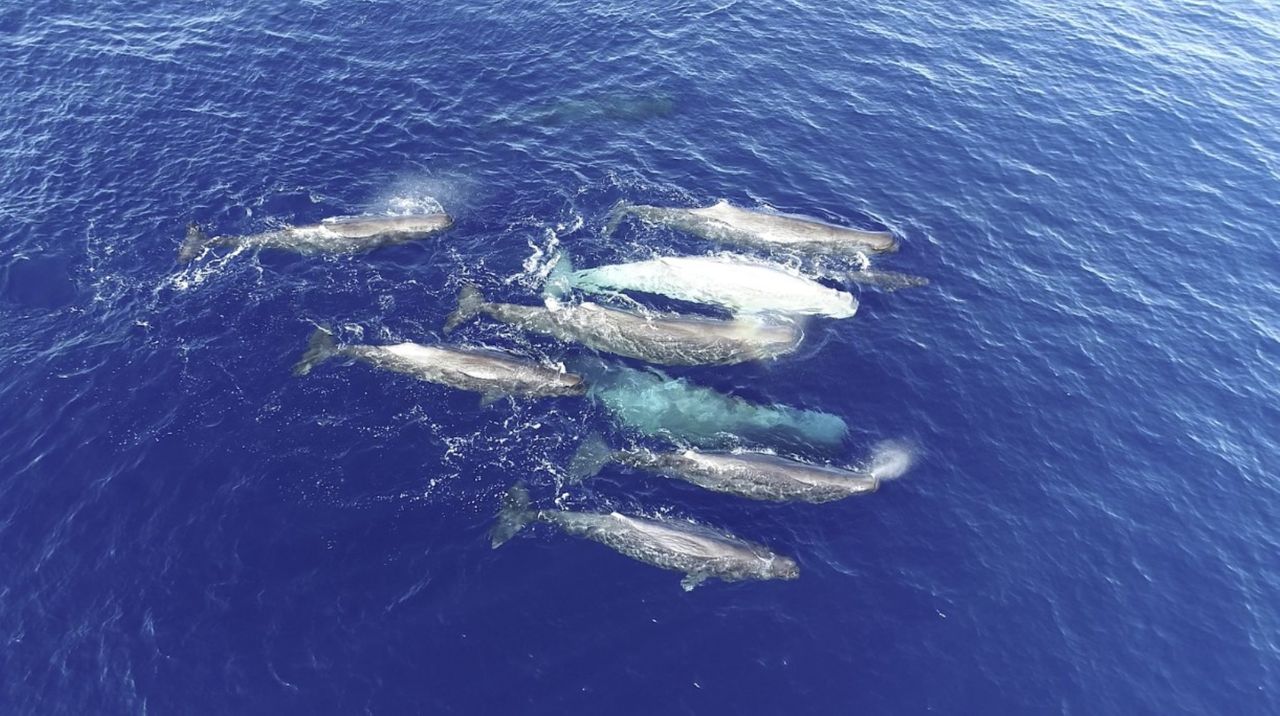
- Researchers analyze thousands of sperm whale click recordings from the Mediterranean Sea.
- Sperm whale “dialects” are defined by differences in the rhythmic pattern of click codas.
- Distinct dialect patterns are found between matriarchal groups in the eastern versus western Mediterranean.
- The study suggests whales may be splitting into two groups with different dialects.
- Findings indicate vocalizations are used to support social structure within matriarchal groups.
Matriarchal groups in the east and west are exhibiting distinct click patterns that are used to form social structures.
1 month agoJust like people across the United States all speak English with their own regional quirks, it turns out sperm whales living in different parts of the Mediterranean may be speaking the same whale language with regional variations. According to a new study published in the Proceedings of the Royal Society B, whales in the eastern […] The post Scientists Found Sperm Whales May Have Their Own Regional Accents appeared first on VICE.
2 months agoThousands of recordings of sperm whale communications in the Mediterranean Sea reveal that the population might be splitting into two groups with their own dialects.
2 months agoMuch like human languages, the vocalizations of sperm whales evolve over time, as disparate groups of whales develop distinct dialects. A new study shows how an isolated group of sperm whales in the eastern Mediterranean developed its own dialect based on vocalizations used by other whales.Read more on E360 →
2 months agoMatriarchal groups in east and west exhibit distinct click patterns, used to form social structuresFrom “Howdy” to “G’day”, English – like other languages – is rich in dialects. Now researchers have found sperm whales on different sides of the Mediterranean show similar variations in their vocalisations.Sperm whales communicate vocally using sequences of short clicks called codas. However, the rhythmic pattern of these clicks, known as the dialect, can differ between different matriarchal groups. Continue reading...
2 months ago
Nigeria Police invite VeryDarkMan to provide evidence of checkpoint collusion claims
The Nigeria Police Force invites social media activist Martins Otse, known as VeryDarkMan, to provide evidence supportin...
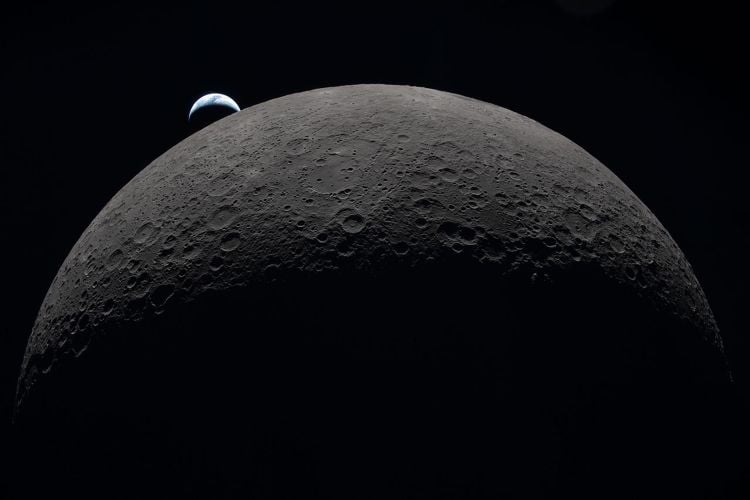
Study finds some Earth microbes may survive at the Moon’s south pole, raising contamination concerns
Researchers report that certain Earth microorganisms could survive conditions near the Moon’s south pole, where permanen...

Iran links Strait of Hormuz reopening to U.S. sanctions relief and compensation demands
Iran’s top security officials say the Strait of Hormuz will remain blocked unless the United States accepts conditions s...