


Multiple Australian outlets report that many popular “brain-training” approaches have limited or inconsistent evidence of improving long-term cognitive outcomes. They point to a 20-year study that instead highlights the concept of “cognitive reserve,” which refers to how well the brain can cope with age-related changes or pathology. The articles explain that higher cognitive reserve is associated with a reduced likelihood of developing dementia or delaying its onset, even when underlying brain changes are present. While the reports do not treat cognitive reserve as a single product or app, they frame it as something built over time through a range of mentally demanding activities and experiences. The outlets also emphasize that not all brain-training “hacks” have demonstrated durable benefits, and that the strongest takeaway from the study is the potential value of focusing on factors linked to cognitive reserve rather than relying on specific training programs. Overall, they present cognitive reserve as a more evidence-based pathway for thinking about dementia risk than most widely promoted brain-training strategies.
Study finds most brain-training methods fail, but one may support dementia resilience
Multiple Australian outlets report that many popular “brain-training” approaches have limited or inconsistent evidence of improving long-term cognitive outcomes. They point to a 20-year study that ins...

- Several outlets say most brain-training “hacks” have limited evidence for long-term benefits.
- A 20-year study is cited as finding support for one factor related to dementia resilience.
- The factor highlighted is “cognitive reserve,” described as the brain’s ability to cope with change.
- Higher cognitive reserve is reported to be associated with a lower risk of developing dementia or later onset.
- The reporting frames cognitive reserve as built over time through mentally demanding activities rather than a single training method
What is cognitive reserve? Find out, because it might diminish your chances of getting dementia.
1 month agoWhat is cognitive reserve? Find out, because it might diminish your chances of getting dementia.
1 month agoWhat is cognitive reserve? Find out, because it might diminish your chances of getting dementia.
1 month ago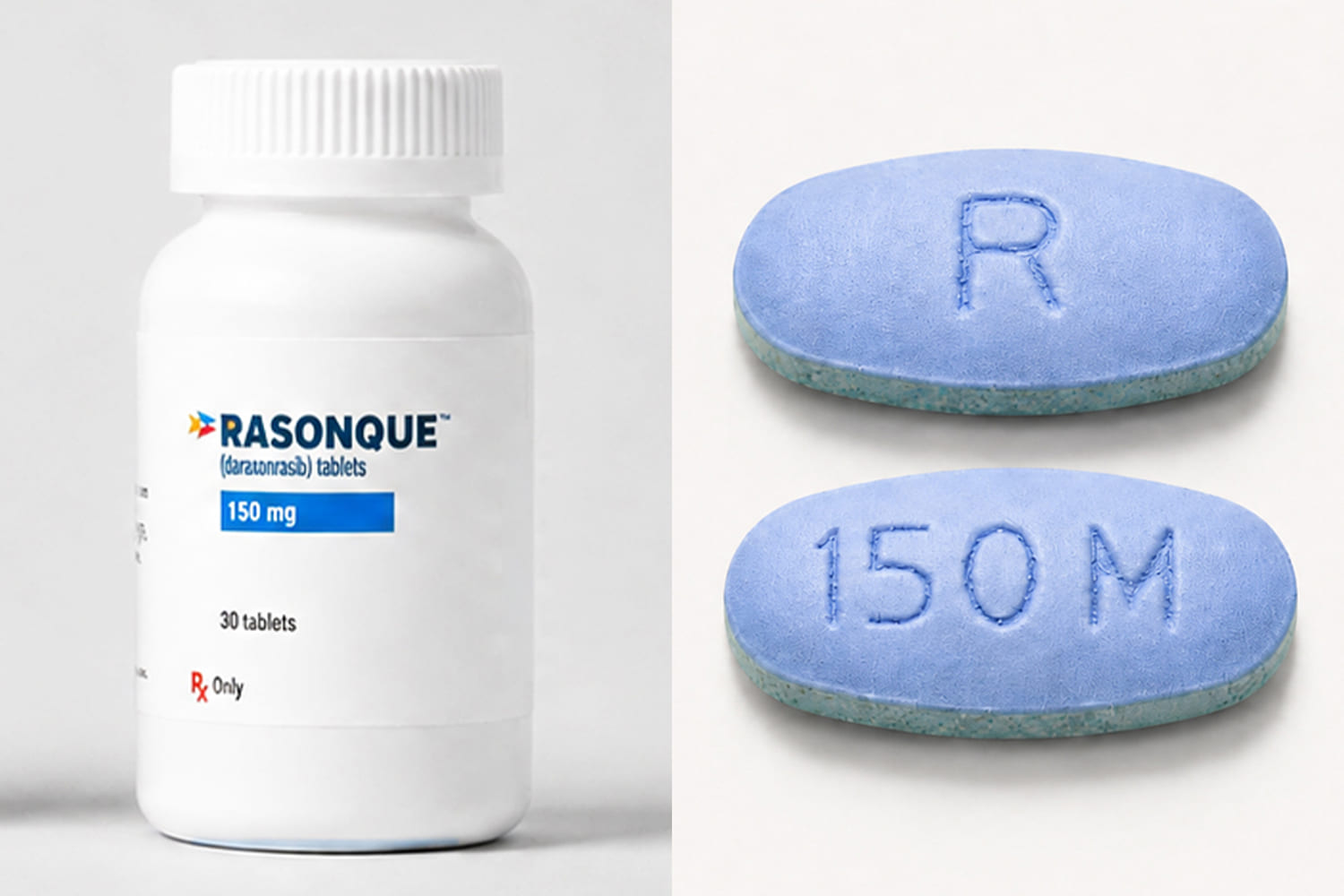
FDA approves pancreatic cancer drug shown to improve survival
The U.S. Food and Drug Administration (FDA) approves a landmark pancreatic cancer drug after clinical evidence shows it...

Flash floods on Nepal–Tibet border leave dozens of Britons missing, death toll rises
Flash floods strike Nepal’s border area near Tibet, killing at least 17 people and leaving hundreds missing, including B...

FDA approves daraxonrasib, an expedited treatment for advanced pancreatic cancer
The U.S. Food and Drug Administration (FDA) approves daraxonrasib, a once-daily pill for advanced pancreatic cancer. Acr...