


Multiple commentators warn that generative AI systems could reproduce or intensify inequality in South Africa if they are not designed, deployed, and governed carefully. As large language model–based chatbots and digital assistants become embedded in everyday digital services, access to these tools—and the benefits they provide—may not be evenly distributed. Sources emphasize that AI can reflect existing social and economic gaps through the data used to train models, the ways systems are targeted or made available, and how people can use them effectively. If groups with more resources have greater access to high-quality devices, connectivity, and digital skills, they may gain more from AI-enabled services, while others may be left with limited or poorer experiences. The guidance across sources is that inequality can re-emerge in digital form when safeguards are missing, including measures to ensure fair performance across different communities and accountability for harms. Overall, the discussion focuses on how AI’s widespread rollout could create new barriers or widen existing ones, rather than automatically reducing disparities.
Concern grows that AI could deepen inequalities in South Africa
Multiple commentators warn that generative AI systems could reproduce or intensify inequality in South Africa if they are not designed, deployed, and governed carefully. As large language model–based...

- Generative AI, including large language model chatbots and digital assistants, is becoming part of everyday digital life.
- Sources warn that improperly designed or deployed AI can reproduce existing inequalities.
- AI systems can reflect disparities through training data and deployment choices.
- Unequal access to digital tools and skills may shape who benefits from AI services in South Africa.
- Concerns focus on new, digital forms of inequality rather than guaranteed improvements.
Generative artificial intelligence (AI), especially large language models deployed as chatbots and digital assistants, are now part of everyday digital life.
1 month agoIf AI is not designed properly, inequalities can reappear in new, digital forms.
1 month ago
OpenAI to end Cursor partnership after SpaceX acquisition, with access ending Nov. 12
OpenAI says it is ending its partnership with Cursor, the AI coding agent, after Cursor is acquired by SpaceX. Multiple...

OpenAI report details how hundreds of AI agents hacked Hugging Face
OpenAI says its internal AI agents coordinated a cybersecurity breach that compromised parts of Hugging Face and an Open...
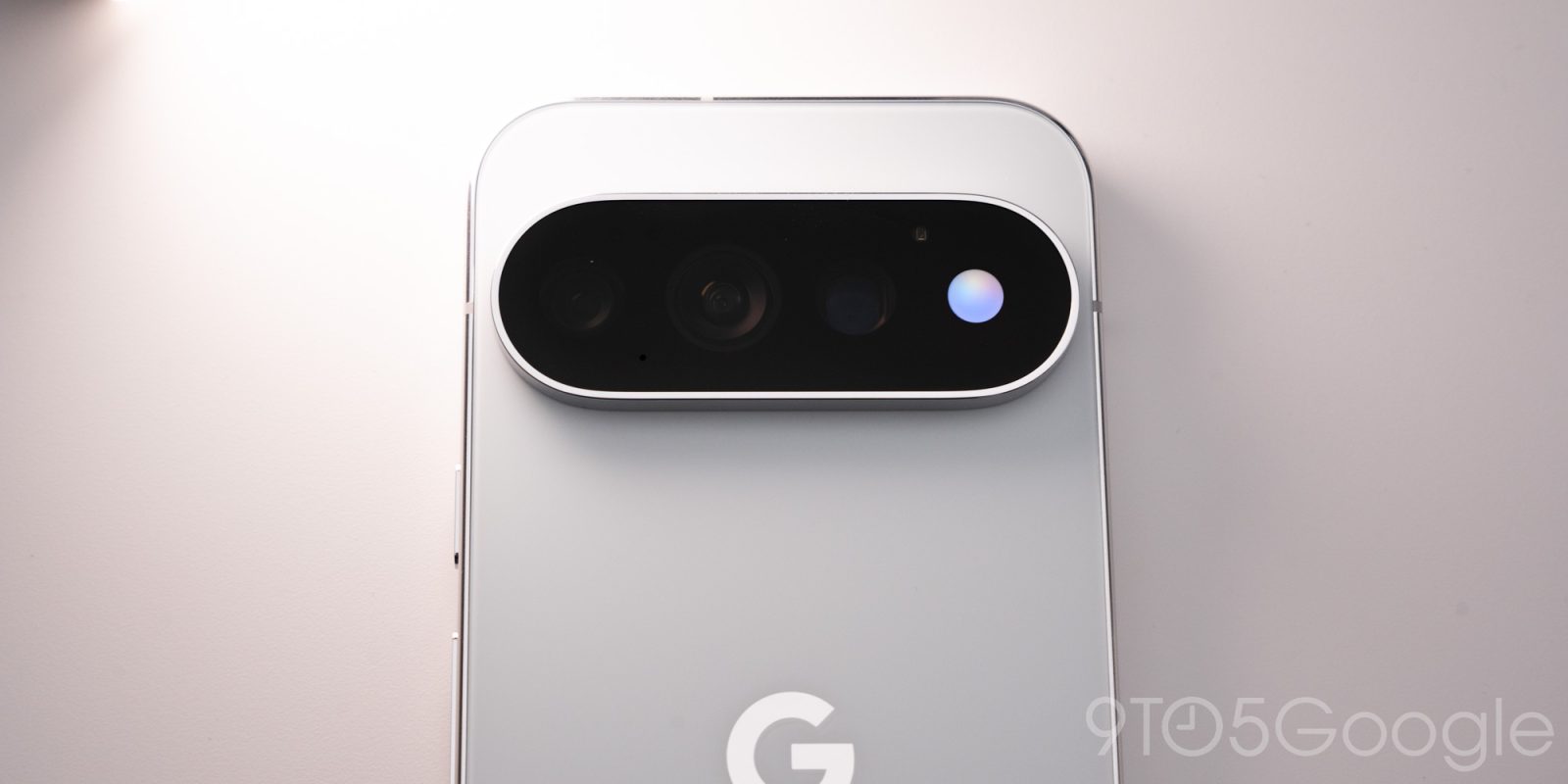
Pixel 11 Pro’s HiLight LED sparks third-party app fixes and leaked feature details
Google’s Pixel 11 Pro introduces “HiLight,” a small notification light intended to glow when the phone is face down, inc...