


The U.S. Supreme Court rules that so-called “geofence warrants” are “searches” under the Fourth Amendment, according to reports. Geofence warrants authorize law enforcement to collect location data from mobile devices present in a specified geographic area during a defined period. The Court’s decision treats that type of targeted location-data collection as a search, bringing it under Fourth Amendment requirements. Multiple outlets describe the ruling as a significant victory for privacy and Fourth Amendment advocates, while also noting that the Court does not go further to declare geofence warrants categorically unconstitutional. Instead, the decision clarifies the legal characterization of geofence warrants—requiring courts and investigators to evaluate them through Fourth Amendment standards rather than treating them as outside that framework. The ruling is presented as guidance on how the Fourth Amendment applies to emerging location-tracking technologies, indicating that additional legal scrutiny is required when authorities use geofencing to identify potential suspects from mobile-device location information.
Supreme Court rules geofence warrants are Fourth Amendment “searches”
The U.S. Supreme Court rules that so-called “geofence warrants” are “searches” under the Fourth Amendment, according to reports. Geofence warrants authorize law enforcement to collect location data fr...
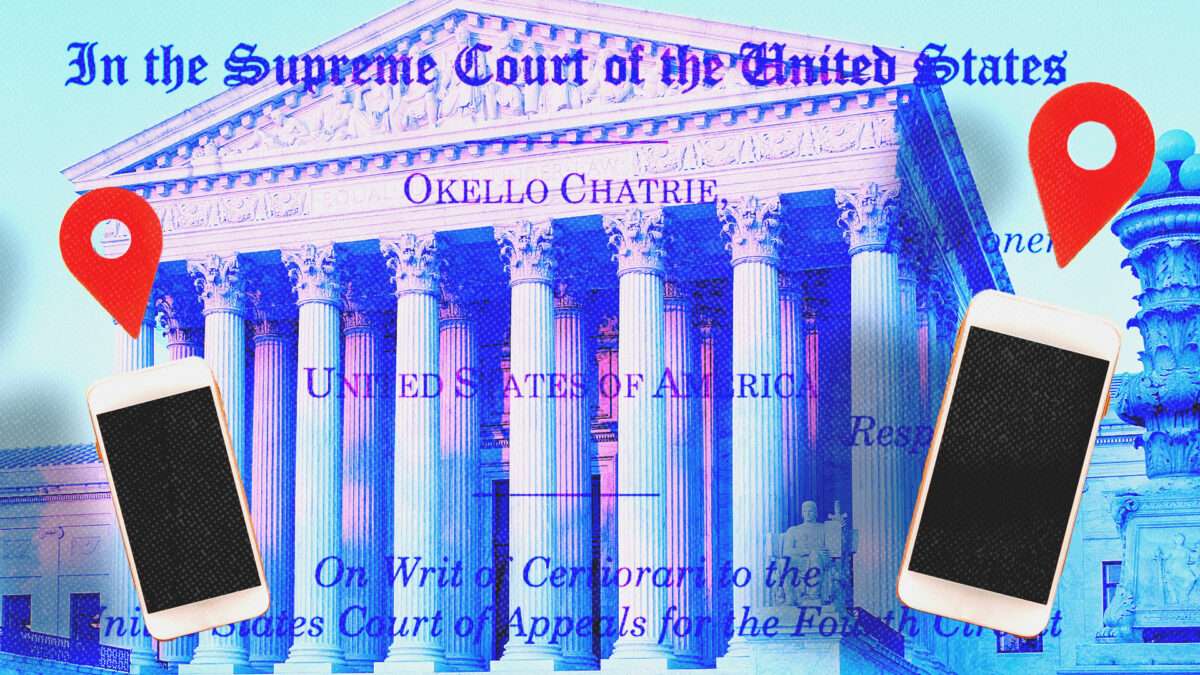
- The Supreme Court holds that geofence warrants are “searches” under the Fourth Amendment.
- Geofence warrants involve collecting mobile-device data from devices present within a defined geographic area during a set time period.
- The decision clarifies that Fourth Amendment analysis applies to geofence warrants.
- The Court does not rule that geofence warrants are automatically unconstitutional.
- The ruling is described as a privacy-focused outcome while leaving open further questions about warrant validity.
The court stopped short of declaring geofence warrants unconstitutional.
2 months agoUnderstanding Chatrie v. United States.
2 months ago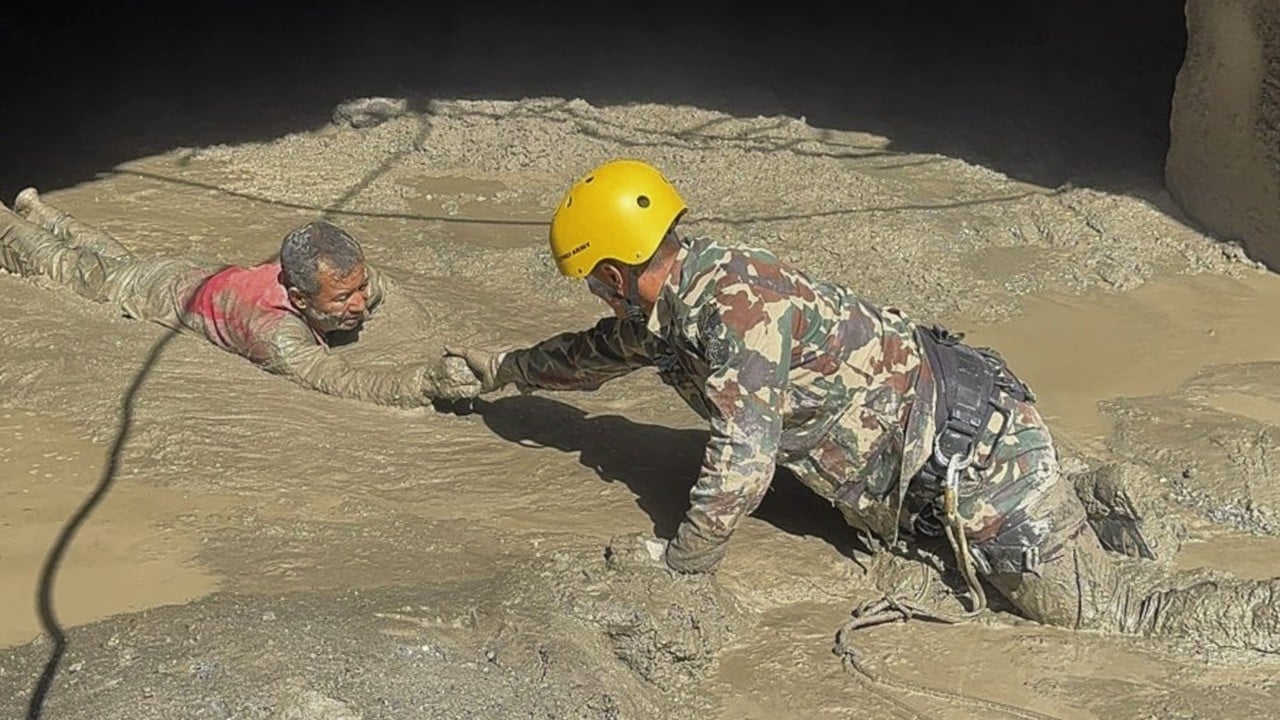
Nepal Army begins tunnel rescue at Trishuli hydropower site for missing workers
Rescuers in Nepal are using drilling and tunneling equipment to reach workers missing after catastrophic floods that hit...
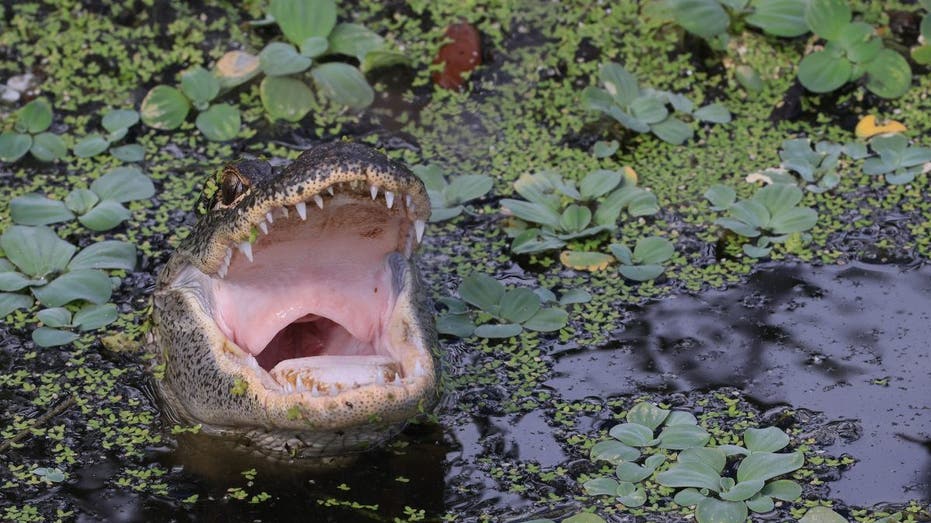
Triathlete Jonathan Bruney survives Savannah River alligator attack during training swim
Triathlete Jonathan Bruney survives an alligator attack during a training swim in the Savannah River near Augusta as he...

Writer plays “be the prime minister” game that tests policy choices under media scrutiny
A writer reports playing a new computer game that lets players role-play as a prime minister and confront a series of po...