


A new Ph.D. thesis by Tommaso Zaccaria at Radboud University examines how terrestrial microbes respond to Martian environmental stresses and how they may be able to persist around humans. The research frames astronauts as part of a larger microbial ecosystem, arguing that understanding the survival capacity of Earth-origin microbes in space and planetary conditions is relevant to crew health during future missions. The thesis reports that some Earth microbes can endure individual “Martian hazards,” indicating they can withstand specific harsh factors associated with the planet rather than requiring continuous favorable conditions. It also addresses immune interactions, stating that these microbes can “evade” astronaut immune systems, which could influence the likelihood of infections during exploration. While the sources provide a high-level overview rather than detailed experimental results, both describe the thesis as focused on microbial suitability for Martian-like conditions and on how Earth microbes may persist in environments encountered by astronauts. The work is presented as a step toward anticipating contamination and health risks for upcoming lunar and Martian missions.
Study finds Earth microbes can tolerate Martian hazards and interact with astronaut immune defenses
A new Ph.D. thesis by Tommaso Zaccaria at Radboud University examines how terrestrial microbes respond to Martian environmental stresses and how they may be able to persist around humans. The research...

- A Ph.D. thesis by Tommaso Zaccaria at Radboud University studies how Earth microbes respond to Martian conditions.
- The thesis reports that some terrestrial microbes can survive individual Martian hazards.
- The work describes microbial ability to evade astronaut immune systems.
- The research emphasizes astronaut health and the microbial ecosystem humans carry into space.
- The articles present the findings as relevant to future Moon and Mars missions.
Hopefully, we're about to travel back to the moon relatively soon. And while the original "giant leap for mankind" was taken by a human, Neil Armstrong brought a plethora of other forms of life along with him. Humans themselves are essentially walking ecosystems, and understanding how our microbial companions survive in the harsh environments of space will be critical to ensuring the health and safety of future astronauts, no matter where their giant leaps might be. A new Ph.D. thesis from Tommaso Zaccaria at Radboud University showcases just how well suited terrestrial pathogens actually are to some of these harsh environments.
1 month agoHopefully, we’re about to travel back to the Moon relatively soon. And while the original “giant leap for mankind” was taken by a human, Neil Armstrong brought a plethora of other forms of life along with him. Humans themselves are essentially walking ecosystems, and understanding how our microbial companions survive in the harsh environments of space will be critical to ensure the health and safety of future astronauts, no matter where their giant leaps might be. A new PhD thesis from Tommaso Zaccaria at Radboud University showcases just how well-suited to some of these harsh environments terrestrial pathogens actually are.
1 month ago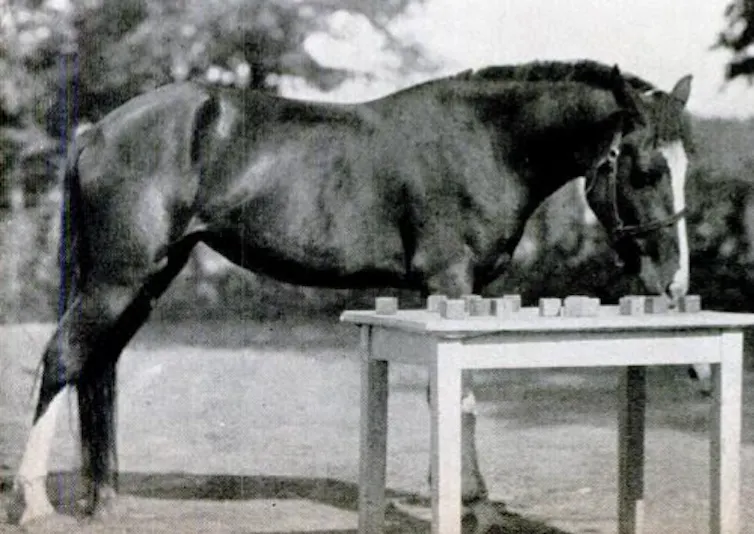
Clever Hans prompts early debate on animal “psychic” abilities and scientific method
Around a century ago, “Clever Hans,” a horse credited with seemingly reading human cues, becomes the focus of a controve...
Tropical Storm Dolly forms in the far Atlantic away from land
Tropical Storm Dolly forms in the Atlantic Ocean far from any land, according to reporting from multiple outlets. The st...

Chemistry teacher found guilty of indecent assault on two male pupils
A chemistry teacher is found guilty of indecent assault against two male pupils, with a jury at Harrow Crown Court deliv...