


Multiple outlets report that researchers have created a synthetic cell in the laboratory using lab-made materials, described as a step toward “life that is built not born.” The work is presented as a proof of concept that nonliving chemical components can be assembled to produce cell-like behavior. Coverage emphasizes that the synthetic cells show more lifelike functions than earlier demonstrations, including processes associated with the cell cycle: growth, genetic replication, and division into new cells. The Guardian characterizes the resulting “beautiful blobs” as tiny, quivering spheres made from chemical compounds that can feed, grow and multiply in a dish. Several reports say the team’s constructs use lab-made DNA and demonstrate the full sequence of growth and splitting to generate the next generation. Other outlets describe the effort as building a basic component of life from scratch and provide initial glimpses of how such artificial organisms could eventually be engineered for practical uses such as producing drugs, food or fuel, while underscoring that the research remains an early stage.
Scientists build synthetic cells from scratch that grow, replicate DNA and divide
Multiple outlets report that researchers have created a synthetic cell in the laboratory using lab-made materials, described as a step toward “life that is built not born.” The work is presented as a...
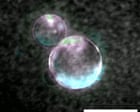
- Researchers report building synthetic cells in a lab from scratch using chemical compounds and lab-made DNA.
- The synthetic cells are described as demonstrating key cell-cycle behaviors, including growth.
- Sources say the cells can replicate genetic material and split to produce the next generation.
- The work is presented as a proof of concept toward creating more complete lab-made, cell-like systems.
- Some outlets link the potential long-term applications to producing materials such as drugs, food or fuel.
A synthetic cell grew, copied its DNA, and split in two Boing Boing‘Beautiful blobs’: synthetic life a step closer as scientists make cells using lab-made DNA The GuardianFor the First Time, a Cell Built From Scratch Grows and Divides Quanta MagazineScientists React to the Lab-Made, Yet Lifelike, SpudCell The New York TimesScientists say they have built a basic component of life from scratch CNN
1 month agoArtificial cell manages a few rounds of cell division Ars TechnicaSynthetic cell offers first glimpse of life that is ‘built not born’ The TimesWhat is 'SpudCell'? Arguably the greatest bioengineering feat yet New ScientistScientists unveil synthetic cells to power low-carbon factories Financial TimesScientists take another step towards lab-made life The Economist
1 month agoFor The First Time, Scientists Say They've Built a Synthetic Cell From Scratch ScienceAlertSynthetic cell offers first glimpse of life that is ‘built not born’ The TimesScientists have built a cell in a lab from the ground up The EconomistWhat is 'SpudCell'? Arguably the greatest bioengineering feat yet New Scientist‘Beautiful blobs’: synthetic life a step closer as scientists make cells using lab-made DNA The Guardian
1 month agoScientists have built a cell in a lab from the ground up The EconomistScientists say they have built a basic component of life from scratch CNNWhat is 'SpudCell'? Arguably the greatest bioengineering feat yet New ScientistScientists unveil synthetic cells to power low-carbon factories Financial TimesScientists take another step towards lab-made life The Economist
1 month agoSynthetic cell offers first glimpse of life that is ‘built not born’ The Times‘Beautiful blobs’: synthetic life a step closer as scientists make cells using lab-made DNA The GuardianThis Cell Feeds, Grows and Reproduces. And It’s Manmade. The New York TimesFor the First Time, a Cell Built From Scratch Grows and Divides Quanta MagazineScientists unveil synthetic cells to power low-carbon factories Financial Times
1 month agoTiny, quivering spheres designed to feed and multiply raise prospect of artificial organisms to make drugs, food and fuelResearchers claim they are closer to creating life from scratch after building tiny, quivering blobs that use lab-made DNA to feed, grow and multiply in a dish.The synthetic cells were made from chemical compounds and are believed to be the first to demonstrate the complete cell cycle of growth, genetic replication and splitting to produce the next generation. Continue reading...
1 month ago
CBC tells staff not to describe 9/11 as “terrorist attacks,” prompting backlash
The Canadian Broadcasting Corporation (CBC) circulates internal guidance instructing journalists not to refer to the Sep...

Peyton Manning’s son Marshall Manning debuts for Baylor School, then reports injury
Marshall Manning, the son of former NFL quarterback Peyton Manning, makes his high school football debut for Baylor Scho...

Study says many workers remain stuck on zero-hours contracts for years
A new study finds that many workers in the UK spend years trapped on zero-hours contracts, which researchers describe as...