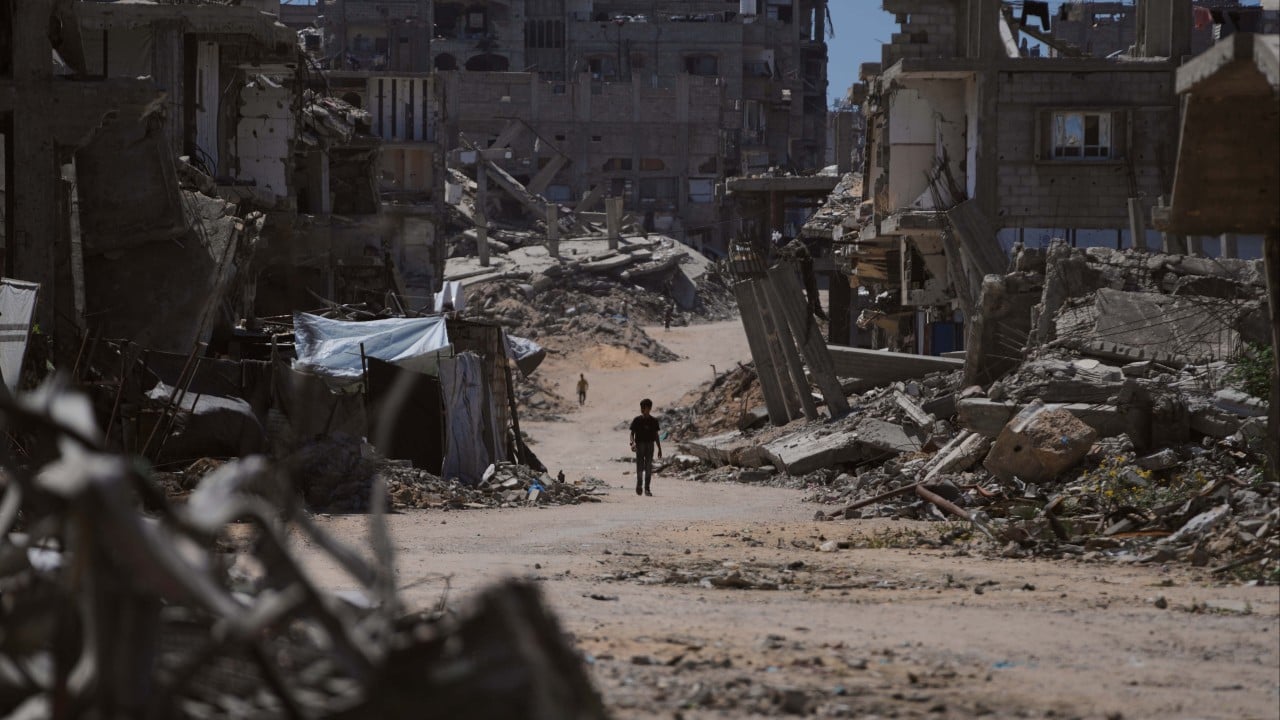
Gaza is marking the 1,000th day of the war that began after a Hamas-led attack on Israel. Multiple outlets describe the continuing strain on both Israelis and Palestinians, noting that the war’s impact has spread amid other conflicts in the region. Reports characterize current ceasefires as fragile, with ongoing violence and persistent damage that leave the situation unstable.
Across the coverage, attention focuses on the situation of Palestinians living in Gaza, where more than two million people remain largely displaced and survive amid widespread destruction. One account says Israeli forces control more than half of the territory under the terms of a ceasefire that begins on October 10, while the broader coverage emphasizes political deadlock and the challenges of maintaining any lasting halt in fighting.
Overall, the articles present a picture of an uncertain future shaped by humanitarian conditions, continued military activity, and unresolved negotiations, with Israelis and Palestinians described as increasingly exhausted by the conflict’s length.