


US President Donald Trump rejects Iran’s response to a US peace proposal, describing it as “unacceptable” or “totally unacceptable”. Multiple outlets report that the rejection comes amid ongoing efforts to restart negotiations, following the US offer made days earlier and Iran’s submission of its reply over the weekend. The decision contributes to a sharp rise in oil prices as markets price in the risk that a conflict now about 10 weeks old will last longer.
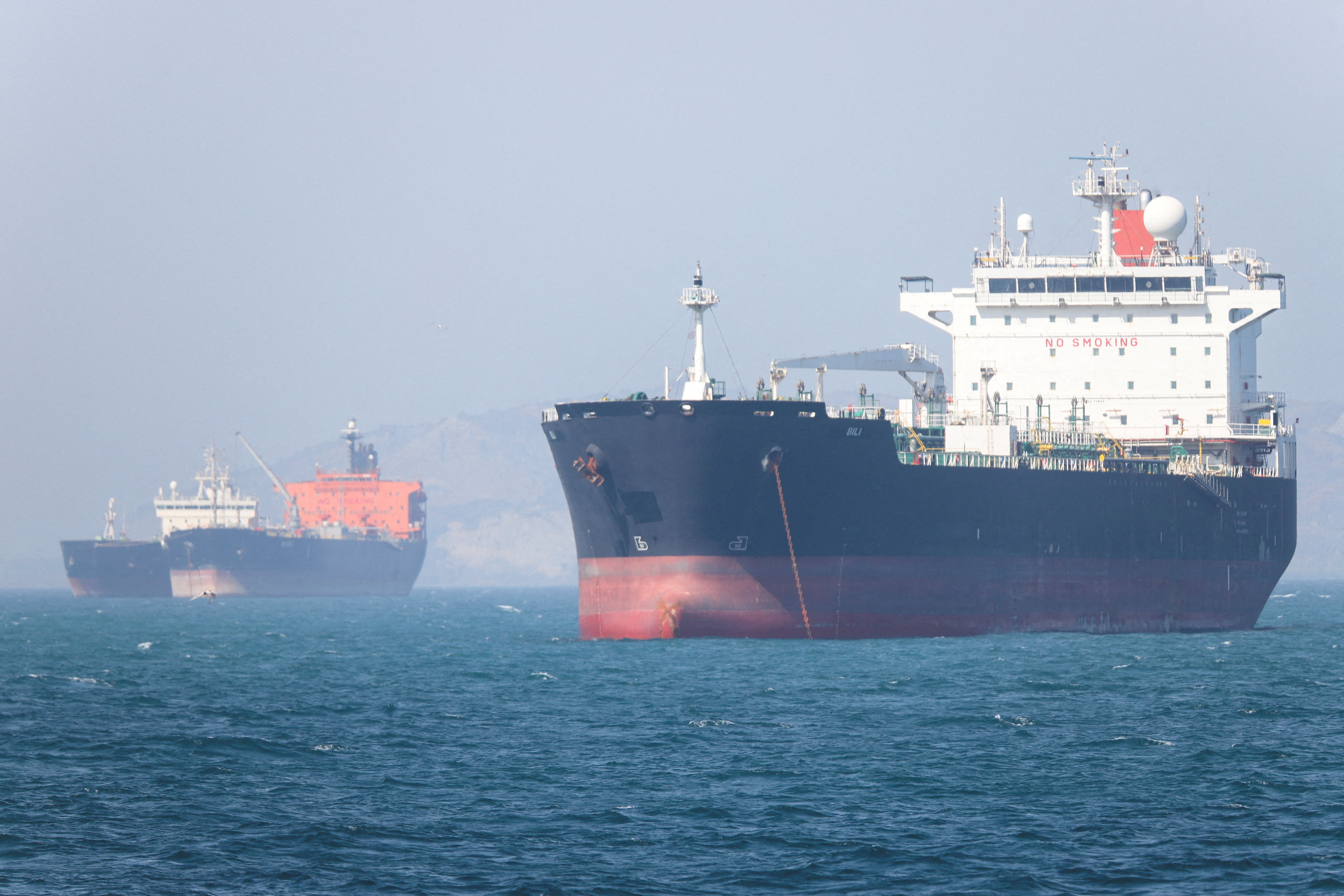
Several reports link the surge to continued disruptions to global energy flows through the Strait of Hormuz, where shipping is described as severely limited or paralysed. The continued closure or restriction of maritime passage is presented as a key driver of concerns over supply and regional instability.
While details vary by outlet, the overall picture is that diplomacy is stalled after Trump’s rejection, regional tensions remain elevated, and the White House faces domestic pressure connected to rising fuel and gas costs in the US. One source also notes that Washington looks to China for potential leverage over Tehran. Overall, all accounts describe tighter shipping conditions and heightened expectations of prolonged disruption.


