


Civil rights attorney Damario Solomon-Simmons says he learned about the Tulsa Race Massacre while in college and now argues that providing reparations is necessary for the United States to address the harm done to Black residents. The discussion centers on reparations as a way to acknowledge historical injustice and move toward accountability. Sources note Solomon-Simmons’s personal connection to the subject through his education, which shaped his later work on civil-rights issues. The coverage presents his position that reparations should be treated as a meaningful policy response rather than a symbolic gesture. While the articles do not provide detailed figures or a specific reparations plan, they consistently frame Solomon-Simmons’s comments around the broader goal of confronting the legacy of the 1921 massacre and supporting justice for survivors and their descendants. The reporting reflects agreement that the Tulsa Race Massacre remains a defining case of racial violence in U.S. history and that reparations are part of the effort to address that legacy.
Oklahoma civil rights lawyer calls for Tulsa Race Massacre reparations
Civil rights attorney Damario Solomon-Simmons says he learned about the Tulsa Race Massacre while in college and now argues that providing reparations is necessary for the United States to address the...
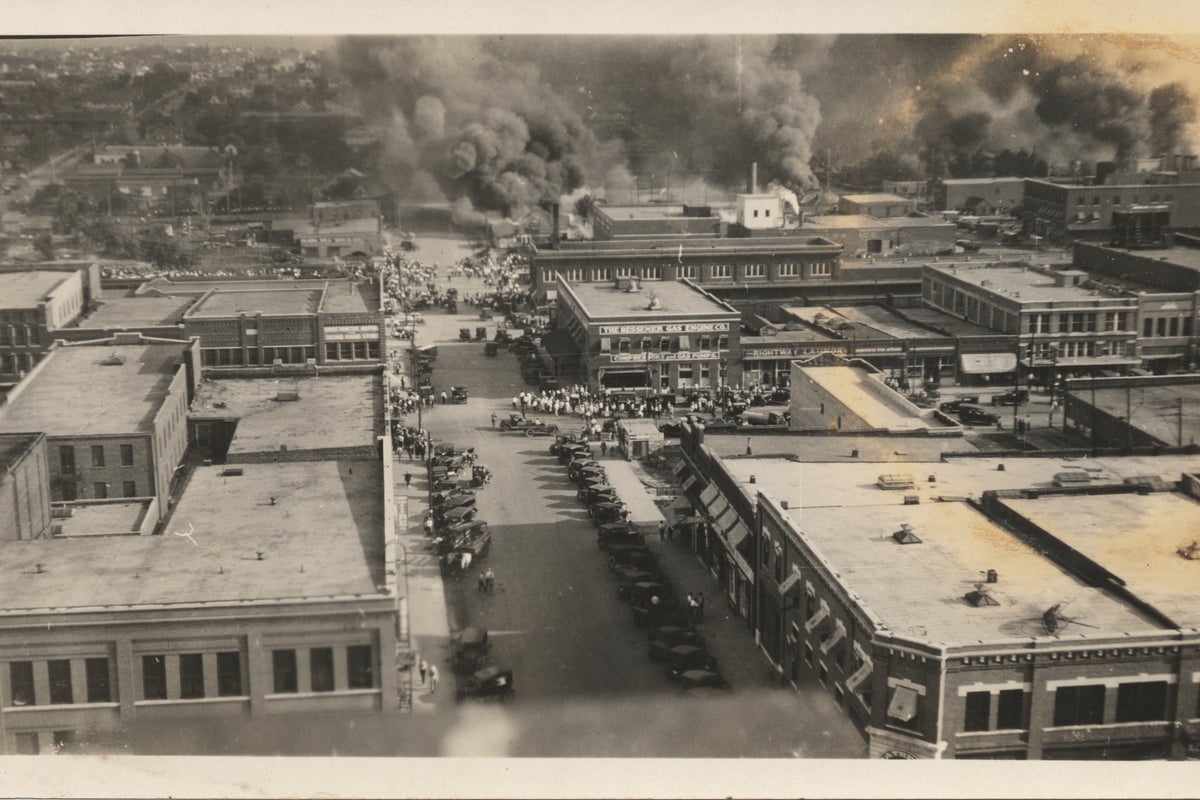
- Civil rights attorney Damario Solomon-Simmons learned about the Tulsa Race Massacre while in college.
- Solomon-Simmons argues the U.S. should provide reparations related to the Tulsa Race Massacre.
- The coverage frames reparations as a response to historical racial harm and injustice.
- Both sources present similar views about the importance of acknowledging and addressing the massacre’s legacy.
Civil rights attorney Damario Solomon-Simmons learned about the Tulsa Race Massacre during college
3 months ago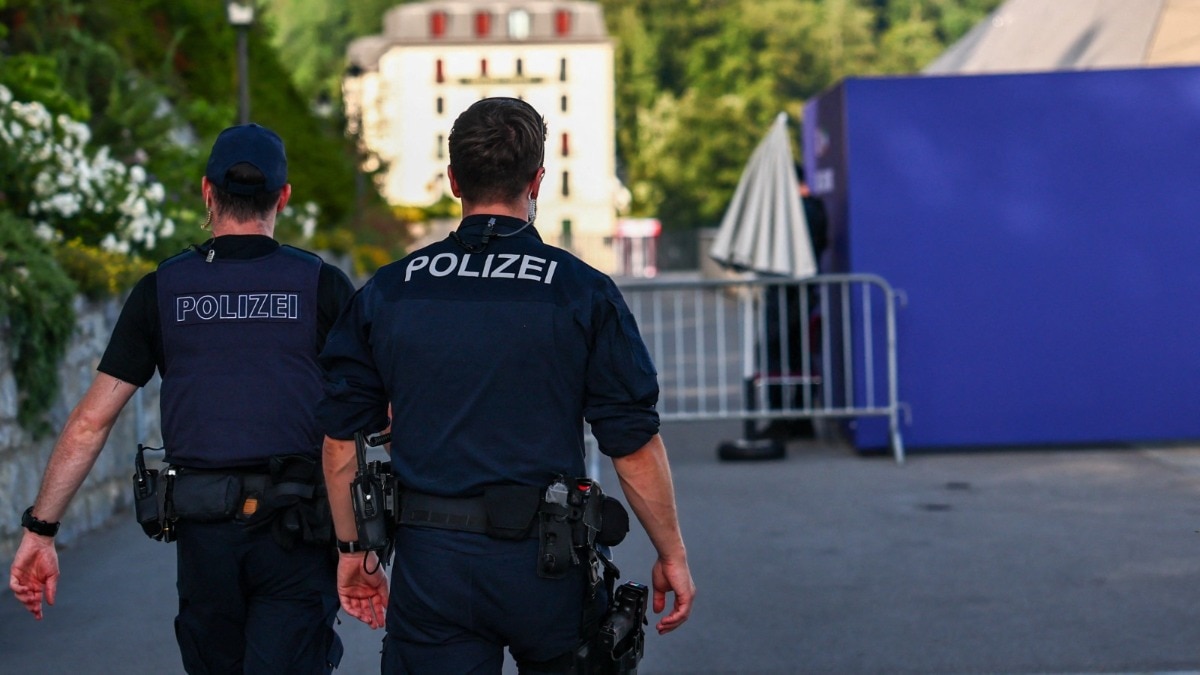
Shooting at Switzerland rave near Zurich leaves several people injured
Police respond to a shooting at a rave event near Zurich, Switzerland, with reports of several victims and multiple inju...

Officer dies and another injured in South Carolina park shooting after domestic-dispute call
A shooting in a park in Columbia, South Carolina, leaves one police officer dead and a second officer injured, the city...
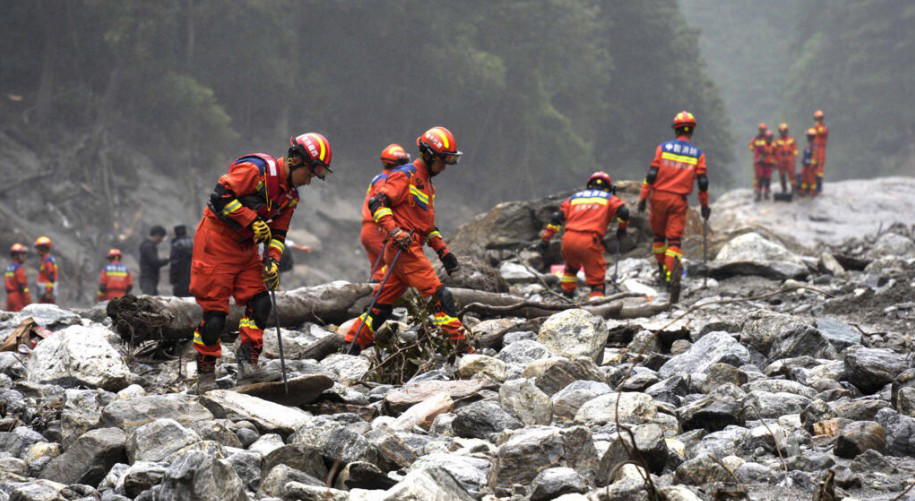
Nepal and China flood rescue continues as missing toll nears 3,000
Rescuers in Nepal and China continue searches for thousands missing days after a deadly tsunami-like flood surge tore th...