


Researchers in southern Switzerland carry out a controlled underground experiment that triggers thousands of tiny earthquakes. Using an established underground test setup, they generate about 8,000 small seismic events while monitoring the surrounding rock and their resulting seismic activity. The work is conducted at BedrettoLab, an underground laboratory located beneath the Swiss Alps. The facility is designed to create and observe earthquake-like conditions in a controlled environment, allowing scientists to study how seismicity develops when stress and fractures are induced deliberately. By collecting measurements during the induced events, researchers aim to improve understanding of earthquake processes and the patterns of seismic activity they produce. The ultimate goal is to use the findings to support improved assessment of seismic risk and potential mitigation strategies. Both outlets describe the same core elements of the study: controlled triggering of many microquakes, the underground setting in southern Switzerland, and use of the BedrettoLab infrastructure to collect data on the events as they occur.
Researchers trigger thousands of controlled microquakes under Swiss Alps
Researchers in southern Switzerland carry out a controlled underground experiment that triggers thousands of tiny earthquakes. Using an established underground test setup, they generate about 8,000 sm...

- Researchers trigger controlled microquakes beneath the Swiss Alps in southern Switzerland.
- The test generates about 8,000 tiny earthquakes.
- The experiment is conducted at BedrettoLab, an underground laboratory.
- Seismic activity is created deliberately and monitored during the study.
- Scientists aim to use the observations to better understand seismicity and reduce earthquake risk.
Tests are conducted at the BedrettoLab, a unique underground facility in southern Switzerland used to create and study earthquakes.
3 months agoResearchers have made the ground shake in southern Switzerland, triggering thousands of tiny earthquakes in a monitored setting, as they seek to discover seismicity insights that could reduce risks.
3 months ago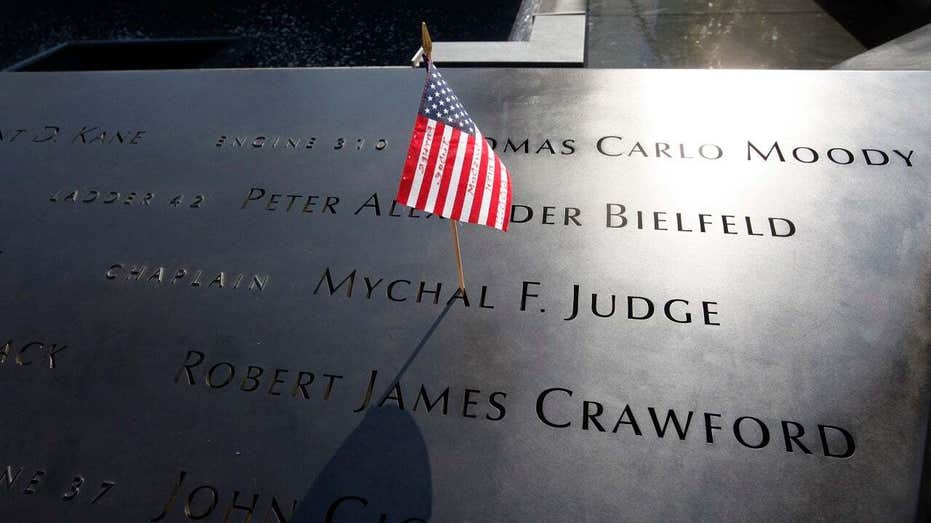
CBC reverses guidance on describing 9/11 as “terrorist attacks” after backlash
The Canadian Broadcasting Corporation (CBC) changes internal guidance on how its journalists describe the Sept. 11, 2001...

Study finds children of centenarians have lower cardiovascular and hypertension risk
Researchers report that having a parent who lives to at least 100 years is linked with better health outcomes later in l...

Study links a daily habit with lower risk of death and heart disease
Researchers report that adopting a simple daily habit is associated with a lower risk of dying earlier and a reduced ris...