


Multiple outlets report that even if Donald Trump’s conflict with Iran ends, the economic and financial effects are expected to keep global interest rates higher for an extended period. Bloomberg and the Financial Post both frame the issue as a lasting impact on monetary policy rather than a short-lived market reaction. The coverage focuses on how geopolitical conflict can alter expectations for inflation, risk, and borrowing costs across countries, leading investors and policymakers to adjust rate outlooks. While the reports agree on the general direction—higher rates persisting—the articles do not suggest a specific timeline or uniform outcome for every economy. Instead, they describe a broader shift in global market conditions that can influence central banks’ decisions over multiple years, including in places where local growth or inflation dynamics differ. Overall, the reporting emphasizes that the end of active hostilities does not automatically unwind the financial consequences, particularly those tied to risk premia and policy expectations.
After Iran Conflict, Markets Expect Higher Global Interest Rates
Multiple outlets report that even if Donald Trump’s conflict with Iran ends, the economic and financial effects are expected to keep global interest rates higher for an extended period. Bloomberg and...

- Both outlets say the Iran-related conflict’s effects persist even if hostilities end.
- Both report that global interest rates are expected to remain higher for years.
- Both frame the impact as a lasting influence on monetary policy and rate expectations.
- Both present the change as broad across markets, rather than limited to a single country.
Donald Trump’s war against Iran may be over, but the repercussions for global monetary policy are here to stay.
1 month agoDonald Trump’s war against Iran may be over, but the repercussions for global monetary policy are here to stay.
1 month ago
Abercrombie shares jump after $100 million tariff refund ruling
Abercrombie & Fitch shares rise sharply after the company reports that it will receive about $100 million in tariff-rela...
New York wealthy homeowners seek loopholes to second-home tax, face limited options
New York City’s wealthiest homeowners and their advisers are seeking ways to avoid or reduce the city’s new tax affectin...
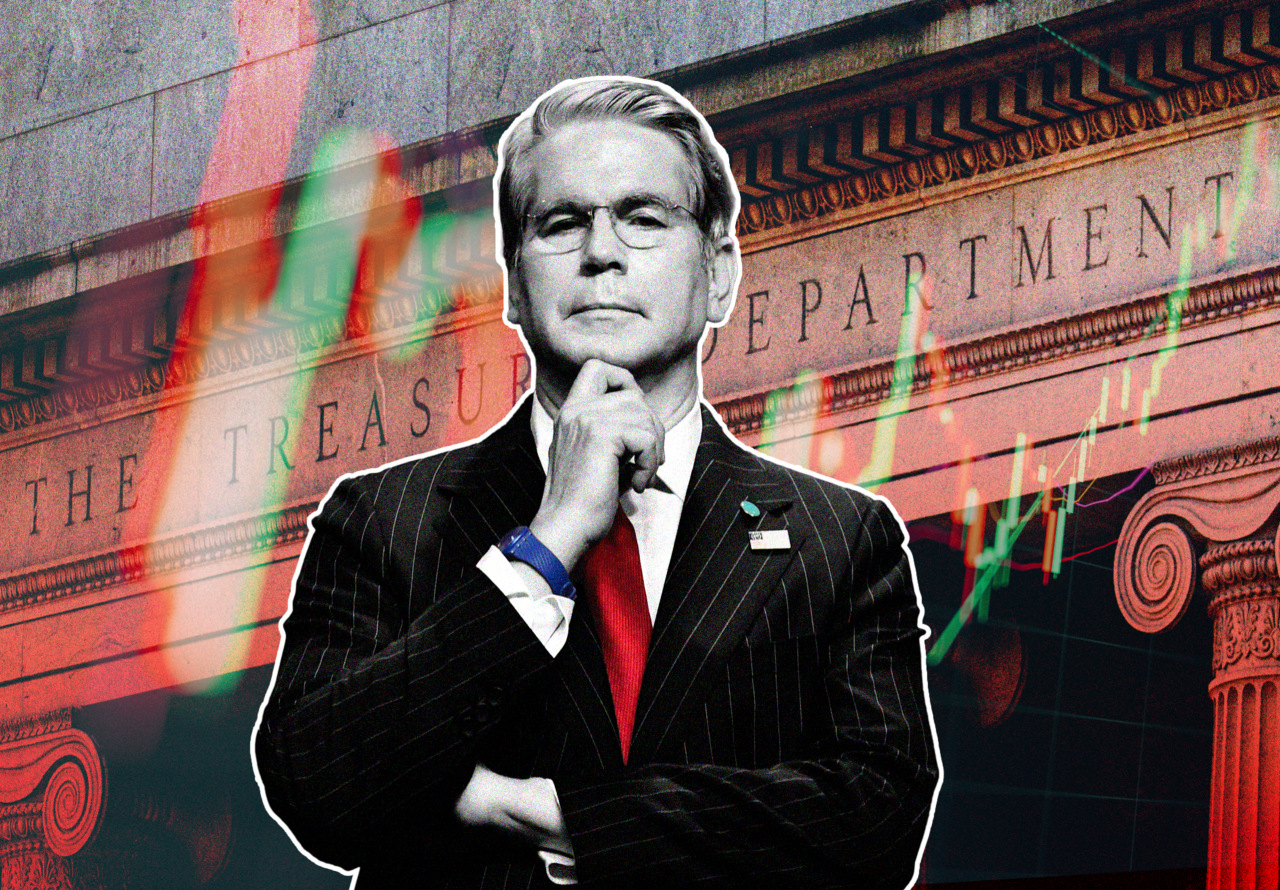
Bessent boosts Treasury debt buybacks after long-dated yields rise
Treasury Secretary Scott Bessent announces an expansion of the U.S. government’s long-dated bond buyback program shortly...