


Researchers report that an artificial-intelligence model can identify people at elevated risk of sudden cardiac death using routine electrocardiogram (ECG) recordings. The work, described as a new study published in Nature and led by researchers at UC Berkeley, trains the AI on large amounts of medical data, including ECGs and death records. Across sources, the approach is characterized as finding a warning sign in the heart’s electrical activity that is not apparent through conventional ECG screening. In particular, the findings are reported to apply even to some individuals who would otherwise appear healthy under standard assessments. The AI is presented as a tool that could support earlier identification of high-risk patients, enabling clinicians to monitor those individuals more closely. Multiple outlets frame the technology as augmenting clinical judgment rather than replacing doctors. The studies also emphasize that the hidden signal is newly uncovered through data-driven pattern recognition. Overall, the reporting focuses on the potential for earlier risk stratification from routinely collected ECG data, pending further validation and clinical implementation.
AI detects hidden ECG signal linked to sudden cardiac death risk
Researchers report that an artificial-intelligence model can identify people at elevated risk of sudden cardiac death using routine electrocardiogram (ECG) recordings. The work, described as a new stu...
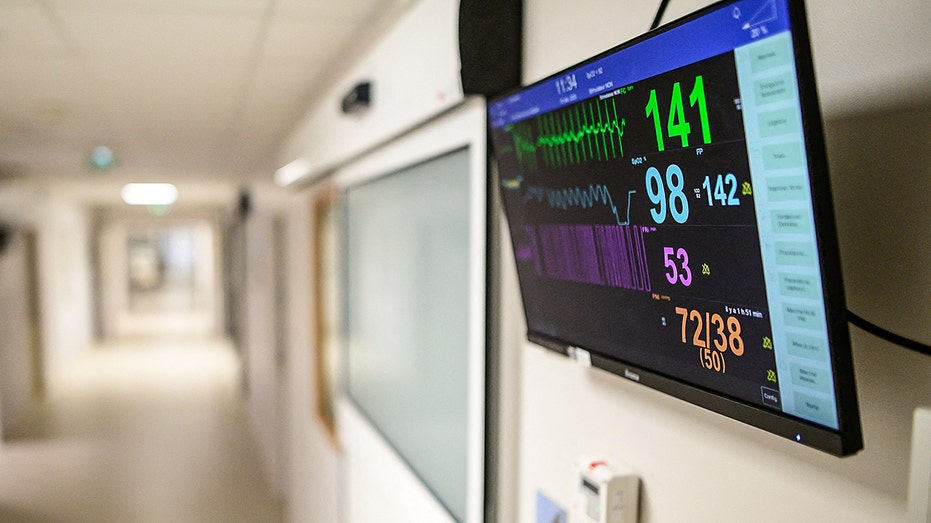
- Researchers use AI to analyze routine ECGs to predict risk of sudden cardiac death.
- The study reports identification of a “hidden” signal in cardiac electrical activity not captured by conventional screening.
- The approach is based on training data that includes ECGs and death certificates/records collected over about a decade.
- The work is described as being published in Nature and associated with UC Berkeley researchers.
- Sources describe the AI as supporting, not replacing, clinical decision-making for monitoring higher-risk patients.
Artificial intelligence may help detect subtle warning signs for sudden cardiac death. AI analyzes vast medical data to find patterns human eyes might miss. This technology could enable earlier identification of high-risk individuals for closer monitoring. Doctors will use AI findings to support, not replace, their clinical judgment. Future heart care may involve doctors working with intelligent tools to recognize danger earlier.
1 month agoAfter analysing ECGs and death certificates collected over a decade, researchers say AI uncovered a previously unknown heart signal that could identify people at risk of sudden cardiac death, even when conventional screening suggests they are healthy.
1 month agoAfter analysing ECGs and death certificates collected over a decade, researchers say AI uncovered a previously unknown heart signal that could identify people at risk of sudden cardiac death, even when conventional screening suggests they are healthy.
1 month agoA new model flags people at high risk of sudden cardiac death from a routine ECG—and reveals a warning sign in the heart’s electrical activity
1 month agoUC Berkeley researchers trained AI to detect hidden warning signs of sudden cardiac death in routine ECG tests, according to a new study published in Nature.
1 month ago
Visa expands cybersecurity support for clients and industry amid the AI era
Visa is expanding support for its clients and the payments industry as organizations navigate a new AI-driven cybersecur...

Moonshot AI seeks revenue-share deals for Kimi K3 hosting on major US cloud platforms
Moonshot AI is in early talks with Microsoft, Amazon and Google about hosting its Kimi K3 AI model on their cloud servic...

AI identifies printable parameters for NASA’s GRCop-42 alloy for low-power laser 3D printing
Researchers at Washington State University use artificial intelligence to search through a very large set of possible 3D...