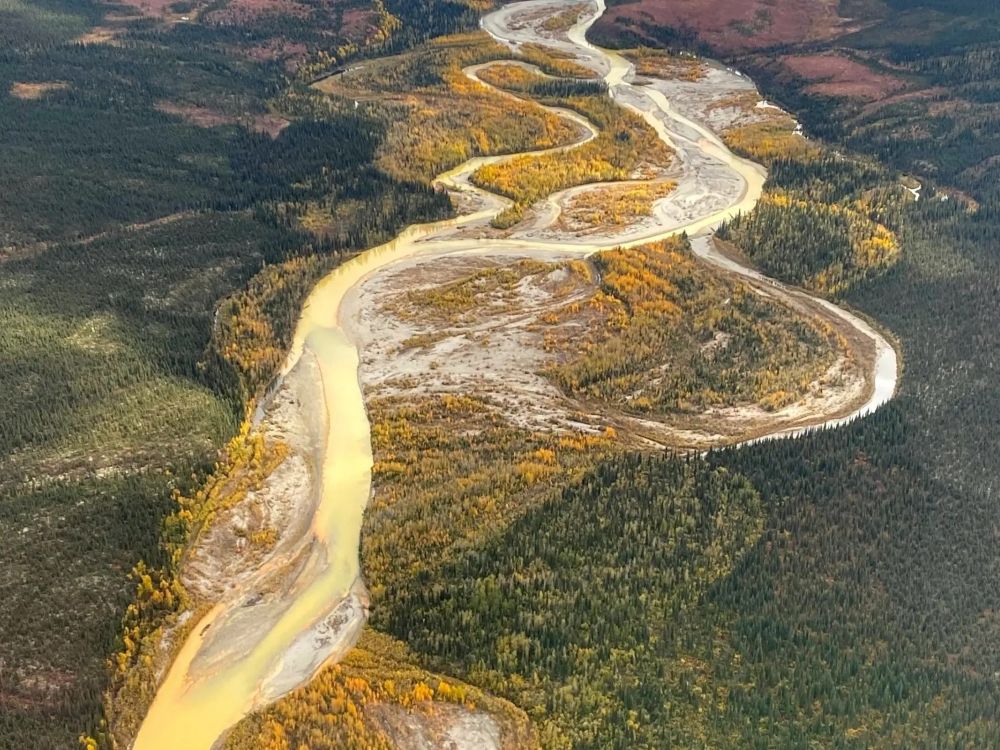
Multiple reports describe an environmental shift in parts of the Arctic in which melting permafrost and changes in precipitation are associated with more acidic water in rivers and lakes. As permafrost thaws, sulfur-containing materials can become exposed and react, while increased rainfall and runoff carry these reactions into surface waters. The resulting acidity is reported to cause noticeable color changes, including yellow or rusty-orange staining in some waterways.
Scientists are working to understand how this acidification affects Arctic ecosystems, including potential impacts on fish, aquatic organisms, and wildlife that rely on freshwater habitats. Researchers also highlight concerns about drinking water safety, particularly for Indigenous communities that depend on local rivers, lakes, and other sources.
The articles emphasize that the broader cause is tied to ongoing climate warming and associated landscape changes, but they also note that the full consequences and scale of the problem require further study. Reporting focuses on the growing alarm as scientists attempt to characterize the extent of acidic conditions and their ecological and human-health implications.