


A new study of artifacts and deposits from Üçağızlı II Cave in southern Türkiye reports evidence that Neanderthals and later Homo sapiens groups used similar sets of practices at different times. Across several analyses, researchers describe finds including stone tools and other items linked to daily subsistence and possibly symbolic behavior, such as patterned or ornamental shell-related materials. The sources say the Neanderthal and modern human occupations do not overlap at the site, meaning the groups were not simultaneously living there. Instead, the researchers argue that the similarity of tool types, hunting or survival strategies, and symbolic traditions points to shared knowledge that may have been transmitted across groups, even without direct cohabitation. The findings are discussed as suggesting cultural continuity or exchange over a long period, with one report framing the timeframe as potentially extending tens of thousands of years. The study is published in the Proceedings of the National Academy of Sciences, and it adds to ongoing debate about how Neanderthals and Homo sapiens may have influenced each other’s technologies and behaviors.
Study suggests Neanderthals and early modern humans shared cave-based culture in southern Türkiye
A new study of artifacts and deposits from Üçağızlı II Cave in southern Türkiye reports evidence that Neanderthals and later Homo sapiens groups used similar sets of practices at different times. Acro...
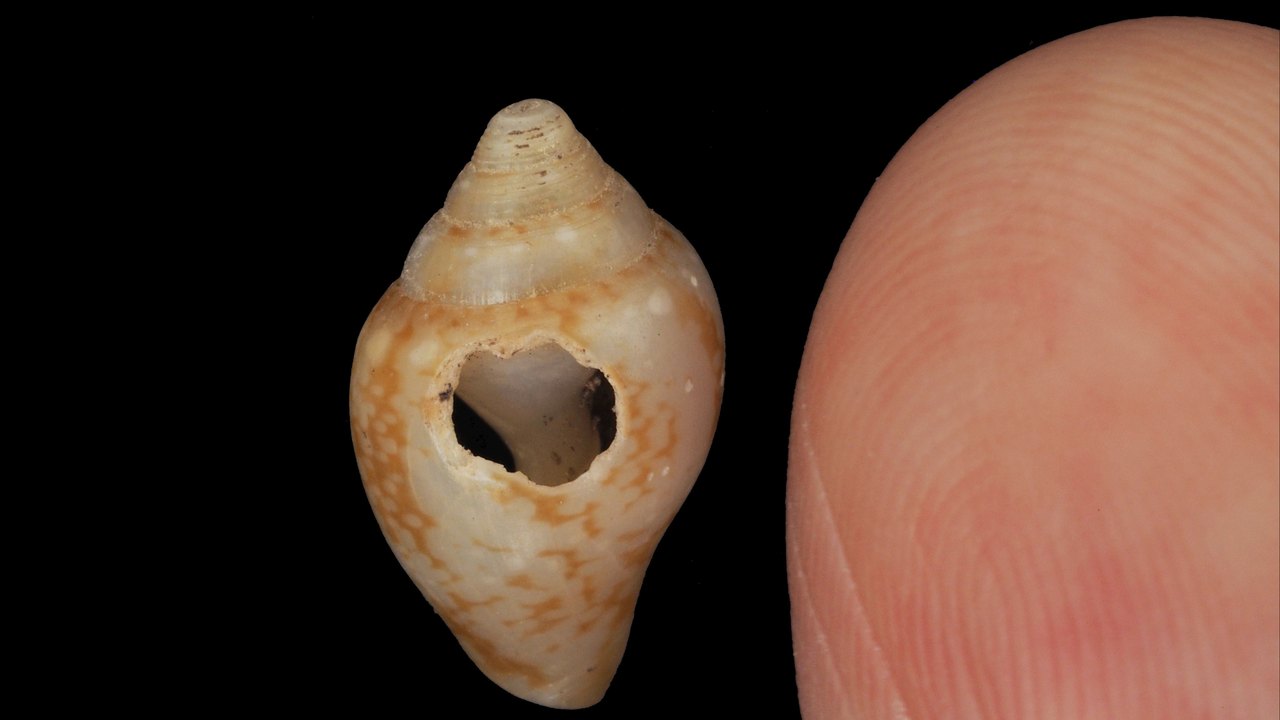
- The research centers on Üçağızlı II Cave in southern Türkiye.
- Finds include stone tools and other evidence of repeated cave-based practices across Neanderthal and later Homo sapiens occupations.
- The Neanderthal and modern human groups are reported to occupy the site at different times, not simultaneously.
- Sources describe similarities in hunting/survival strategies and possible symbolic or ornamental practices.
- The study’s results are published in Proceedings of the National Academy of Sciences.
As we live through an era of rapid expansion in our understanding of our distant ancestors, the Neanderthals, we’re learning they may not have been so distant after all. According to a new study published in Proceedings of the National Academy of Sciences, evidence from Üçağızlı II Cave in southern Türkiye suggests that Neanderthals and […] The post Neanderthals and Humans May Have Shared a Common Culture for 20,000 Years appeared first on VICE.
1 month agoA cave in southern Turkey is spilling its ancient secrets The post Modern Humans and Neanderthals May Have Shared a Cave-Dwelling Culture appeared first on Nautilus.
1 month agoThe excavation of a cave in southern Türkiye revealed evidence of shared technologies, survival strategies, and even symbolic objects.
1 month agoFossils, stone tools and seashells in Turkey show that Neanderthals and the Homo sapiens who moved in later had the same hunting strategies and symbolic traditions even without overlapping at the site, suggesting they may have shared information.
1 month agoBoth Neanderthals and Homo sapiens may have shared tools and behavioral practices, new research suggests
1 month ago
Study finds older Britons drink the most, with fewer under-40s drinking heavily
A new study reports that Britons aged over 40 are the most likely to drink alcohol heavily, while younger adults are les...

CBC internal memo instructs staff not to describe 9/11 as ‘terrorist attacks’
The Canadian Broadcasting Corporation (CBC) is facing backlash after internal guidance reportedly told staff not to refe...

Elizabeth Quigley resigns from BBC Scotland on health grounds
BBC Scotland journalist Elizabeth Quigley, the wife of Scottish Deputy First Minister John Swinney, resigns from the bro...