


The UN Food and Agriculture Organization (FAO) warns that disruptions in the Strait of Hormuz could lead to a severe global food price crisis within six to 12 months, while a separate UN official warns the world has only weeks to avert a humanitarian emergency. The FAO says Hormuz handles about a fifth of global oil shipping and that roughly one-third of the world’s fertilizer supply normally passes through the strait. It adds that, amid the conflict involving Iran, the strait is operating in a way that effectively limits tanker and cargo traffic, tightening supplies of energy and fertilizer. The FAO describes the shock as a cascading agrifood disruption—starting with energy and fertilizer, then affecting seeds and lower yields, followed by commodity price increases and food inflation. It notes its global food price index has risen for three consecutive months since the conflict began. The FAO urges countries to focus on alternative routes and improve resilience, including through land and sea diversions toward the Red Sea. It also calls for avoiding export restrictions on energy and fertilizers and for exempting food aid from trade curbs. UNOPS head Jorge Moreira da Silva tells AFP that continued disruption could push an additional 45 million people into hunger and starvation.
UN warns Strait of Hormuz disruption could trigger global food and fertilizer crisis
The UN Food and Agriculture Organization (FAO) warns that disruptions in the Strait of Hormuz could lead to a severe global food price crisis within six to 12 months, while a separate UN official warn...
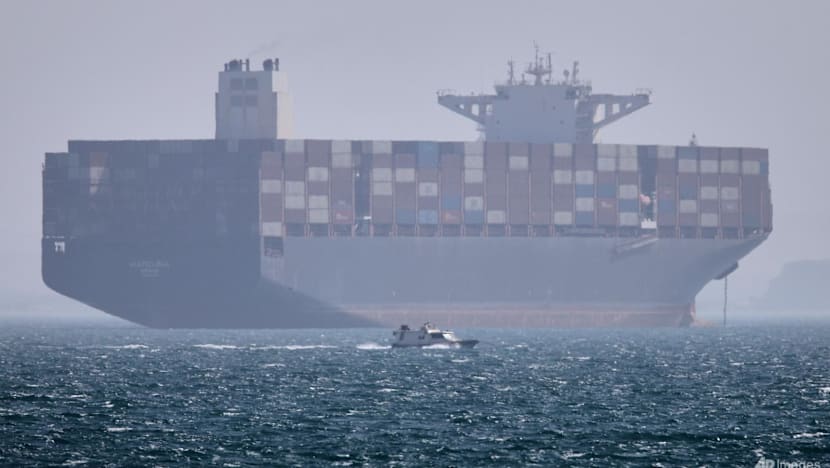
- The FAO warns a Strait of Hormuz blockade could trigger a severe global food price crisis within six to 12 months.
- Roughly one-third of the world’s fertilizer supply normally passes through the Strait of Hormuz, and disruptions threaten fertilizer availability for farmers.
- UN officials say the disruption is likely to be a systemic agrifood shock, affecting energy and fertilizer first, then seeds, yields, and food inflation.
- UNOPS head Jorge Moreira da Silva warns the world has only weeks to avert a large humanitarian crisis and says up to 45 million additional people could face hunger and starvation if trade routes remain blocked.
- The FAO calls for alternative transport routes and urges countries to avoid export restrictions on energy and fertilizers and to exempt food aid from trade curbs.
-FAO outlines urgent measures, policy recommendations to avert severe crisis within six to 12 months THE closure of the Strait of Hormuz is not a temporary shipping disruption but the beginning of a systemic agrifood shock that could trigger a severe global food price crisis within six to 12 months. Avoiding such an […]
3 months agoA third of global fertiliser supplies passed through the strait before the war, raising shortage concerns for farmers ahead of the summer growing season.
3 months agoROME, Italy (AFP) — The United Nation (UN) Food and Agriculture Organization (FAO) warned Wednesday that the blockage of the Strait of Hormuz could "trigger a severe global food price crisis" in the coming months. Hormuz accounted for a fifth of global oil shipping before the United States (US) and Israel launched strikes against Iran, which prompted Tehran to effectively shut down the strait to tanker and cargo traffic. A third of the world's fertiliser supply also passed through the strait before the war, and officials have warned that farmers could face shortages during the summer growing season. The Rome-based FAO said there should be more attention on alternative land and sea routes, including across the Arabian peninsula to the Red Sea. It also called for countries to avoid export restrictions on energy and fertilisers and to exempt food aid from trade curbs. The time has come to "start seriously thinking about how to increase the absorption capacity of countries, how to increase their resilience to this choke", the FAO's chief economist Maximo Torero said in a podcast published Wednesday. In a statement, the agency said the Hormuz blockage was "not a temporary shipping disruption" but "the beginning of a systemic agrifood shock". It warned a full-blown global food crisis could come within six to 12 months. "The shock is unfolding in stages: energy, fertiliser, seeds, lower yields, commodity price increases, then food inflation," it said. The FAO said its global food price index had risen for three consecutive months since the start of the conflict.
3 months agoThe closure of the Strait of Hormuz is not a temporary disruption but the start of a systemic shock to global food prices, the U.N. food agency said Wednesday.
3 months agoThe UN warns disruptions in the Strait of Hormuz could drive up food and fertiliser costs, and worsen global hunger.
3 months agoIran has had the strategic waterway - through which a third of the world's fertilisers normally pass - in a chokehold for months.
3 months ago
Euronews publishes daily “latest news bulletin” lineups across May and June 2026
Euronews releases a series of daily “Latest news bulletin” programmes on multiple dates in May 2026 and June 2026, inclu...
Modi visits Uzbekistan and Kyrgyzstan for SCO summit and bilateral talks
Prime Minister Narendra Modi is on a four-day trip to Uzbekistan and Kyrgyzstan, beginning in Tashkent and continuing to...

Trump says US will refill Strategic Petroleum Reserve with Venezuelan oil
President Donald Trump says the United States will refill its Strategic Petroleum Reserve using Venezuelan oil. In a soc...