


Nobel Prize-winning economist Christopher Pissarides says artificial intelligence is unlikely to bring Western economies back to an earlier era of rapid productivity and overall growth. Across reporting, he responds to the widespread expectation that technology—particularly AI—could reverse long-running trends of slower growth seen in recent decades. Pissarides argues that the period of fast growth may be permanently behind Western countries, meaning AI’s impact is not likely to match the scale implied by some forecasts or hopes. The outlets describe how both governments and technology companies are looking to AI as a potential driver of a renewed growth cycle, but his view is that structural and economic realities limit the likelihood of returning to past growth rates. His remarks therefore cast doubt on scenarios that treat AI as a direct catalyst for a sustained productivity surge comparable to earlier breakthroughs. While the articles note his skepticism about the “rapid growth” narrative, they do not suggest AI has no role; rather, his central claim is that it will not recreate the specific economic conditions of the prior high-growth period.
Nobel laureate warns AI will not restore rapid growth in Western economies
Nobel Prize-winning economist Christopher Pissarides says artificial intelligence is unlikely to bring Western economies back to an earlier era of rapid productivity and overall growth. Across reporti...
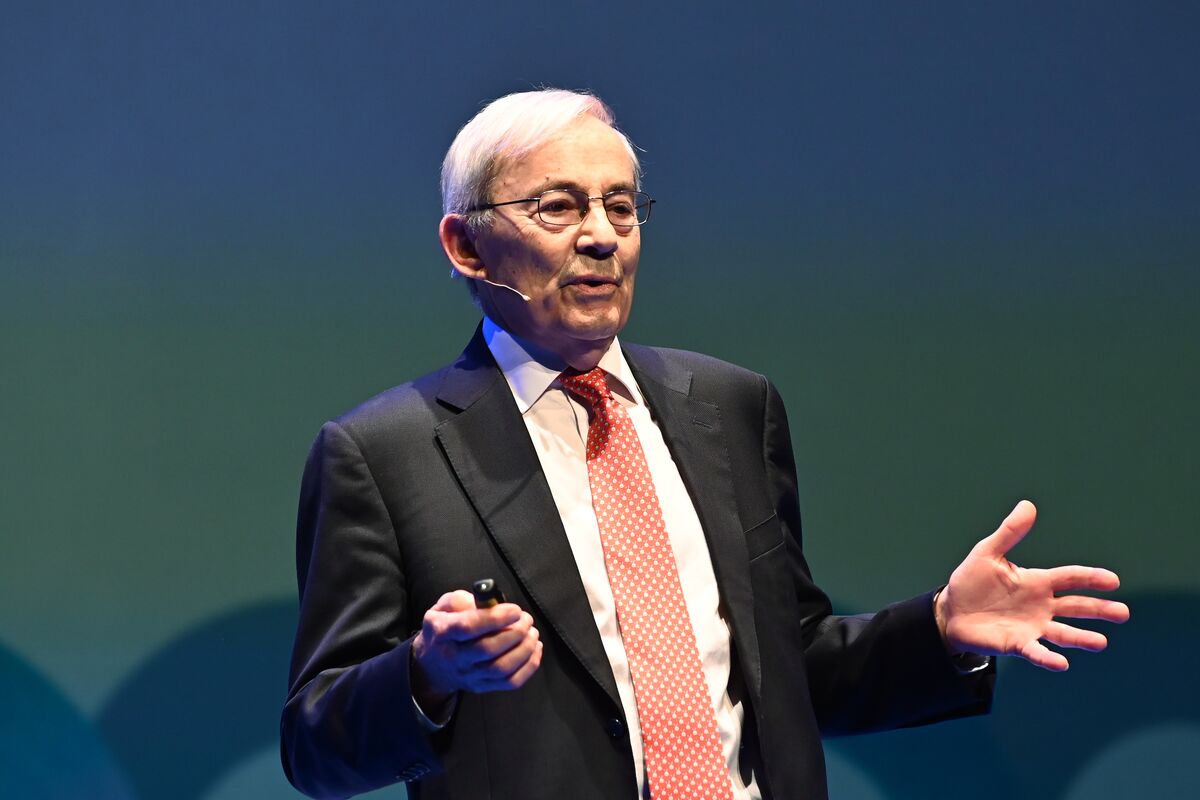
- Christopher Pissarides, a Nobel Prize-winning economist, argues AI will not restore rapid growth in Western economies.
- He suggests the earlier era of fast productivity growth may already be gone permanently.
- The comments address expectations that governments and tech firms have placed in AI to boost growth.
- The reporting frames the debate around whether AI can materially reverse decades-long slowing growth trends.
Nobel Prize-winning economist has poured cold water on the idea that artificial intelligence will haul Western economies back into an era of rapid productivity growth, warning that the fast-growth years may already be gone for good. Christopher Pissarides, who shared the 2010 Nobel Memorial Prize in economics and teaches at the London School of Economics, […] This story continues at The Next Web
1 month agoTech firms and governments have pinned their hopes on AI reviving levels of growth that have slowed sharply in recent decades.
1 month agoA Nobel Prize-winning economist has warned that artificial intelligence will not return Western economies to the era of rapid productivity growth, which may be gone forever.
1 month ago
Government considers social media opt-out and pornography regulation over harmful content
The government is considering measures aimed at reducing harmful material online, including a possible social media “opt...

Heavy machinery and fencing appear in Sawbridgeworth amid allegations of land grab
In Sawbridgeworth, East Hertfordshire, heavy machinery and lorries arrive and fencing is installed, with roads reported...

Advent and Stripe abandon reported $50B+ PayPal takeover talks
Advent International and Stripe are no longer pursuing a takeover of PayPal, according to multiple reports, ending month...