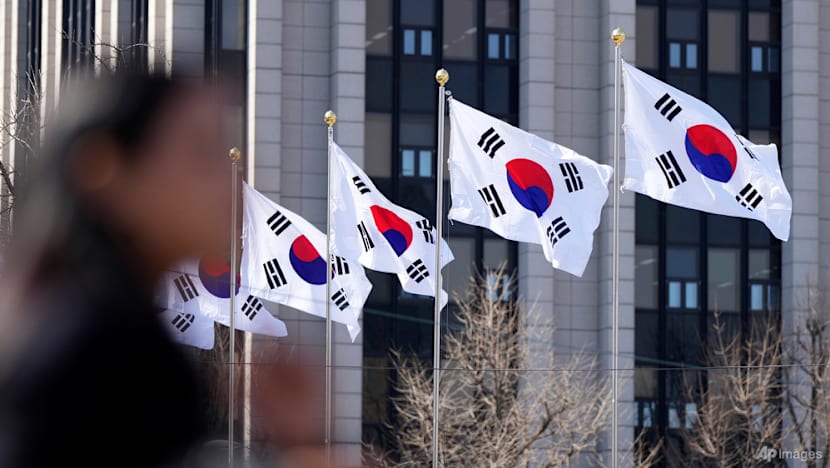
South Korea begins enforcing a law targeting “fake news” and misinformation, which allows courts to impose steep punitive damages on news outlets and social media influencers found to have spread false information. Journalism groups and civil liberties advocates argue the law is broadly or vaguely worded and does not clearly define what content is prohibited, raising concerns that it could discourage critical reporting and lead to self-censorship. Critics also say the law offers insufficient safeguards for media and that it could be used to suppress scrutiny of government officials, politicians, and large businesses.
Supporters, including the Democratic Party, argue the measure is necessary to address a rise in online disinformation and protect democratic processes. Reporting across outlets notes that misinformation surged in recent months, including allegations connected to foreign interference following a failed 2024 martial law attempt. Several sources describe the debate as centering on balancing efforts to curb falsehoods against protections for free expression and press freedom.
The law’s enforcement therefore marks a new regulatory phase for online and broadcast content, with tensions between anti-misinformation goals and concerns about potential censorship and chilled public discourse.