


All three outlets report on a “paradox” in Australia: despite the country’s high level of wealth, many residents are increasingly pessimistic. The pieces connect public attitudes to a range of factors discussed in the context of national wellbeing, including unemployment and inflation. They also reference how political dynamics, including populism and the support base of One Nation, intersect with these changing perceptions. While the articles emphasize that Australia’s economic prosperity contrasts with worsening sentiment, they do not present a single unified causal claim. Instead, they draw attention to the relationship between day-to-day economic pressures and broader measures of happiness or optimism. Across the coverage, the central theme is a growing mismatch between economic conditions and how people feel about their future. The reports situate that shift within a wider debate about social attitudes and political preferences, suggesting that economic and political pressures occur alongside changes in national wellbeing measures.
Australia remains wealthy as residents grow increasingly pessimistic, report says
All three outlets report on a “paradox” in Australia: despite the country’s high level of wealth, many residents are increasingly pessimistic. The pieces connect public attitudes to a range of factors...
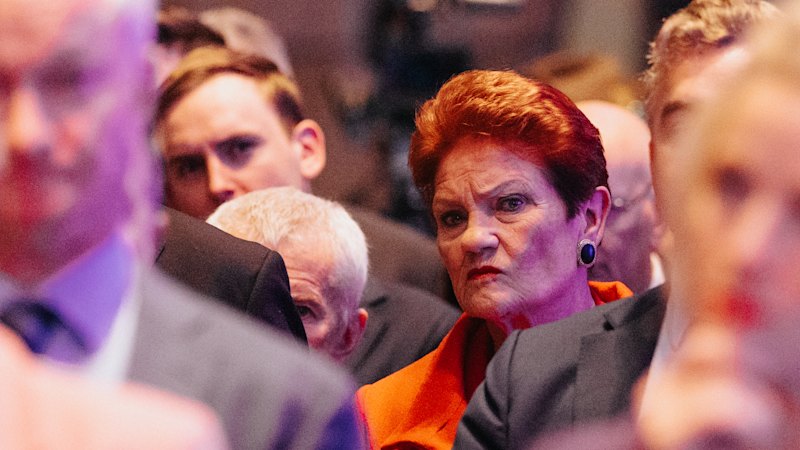
- Australia is described as an extraordinarily wealthy country.
- The public is increasingly pessimistic, despite economic prosperity.
- Unemployment and inflation are cited as factors linked to wellbeing perceptions.
- Populism and One Nation are referenced in relation to shifts in public attitudes.
- The coverage frames the issue as a paradox between wealth and happiness.
The paradox is clear: Australia is an extraordinarily rich country, but its residents are increasingly pessimistic.
1 month agoThe paradox is clear: Australia is an extraordinarily rich country, but its residents are increasingly pessimistic.
1 month agoThe paradox is clear: Australia is an extraordinarily rich country, but its residents are increasingly pessimistic.
1 month ago
Chelsea sign World Cup winner Emiliano Martínez from Aston Villa
Chelsea sign Argentina World Cup-winning goalkeeper Emiliano Martínez from Aston Villa on a three-year contract, accordi...

Everton cancels proposed Armstrong transfer to Nottingham Forest after fan backlash
Everton cancel a proposed deal to sell midfielder Harrison Armstrong to Nottingham Forest, following backlash from the c...

Manchester City hold talks with Liverpool over Cody Gakpo as Tottenham interest fades
Manchester City are in talks with Liverpool over signing Netherlands winger Cody Gakpo, as multiple reports say the 27-y...