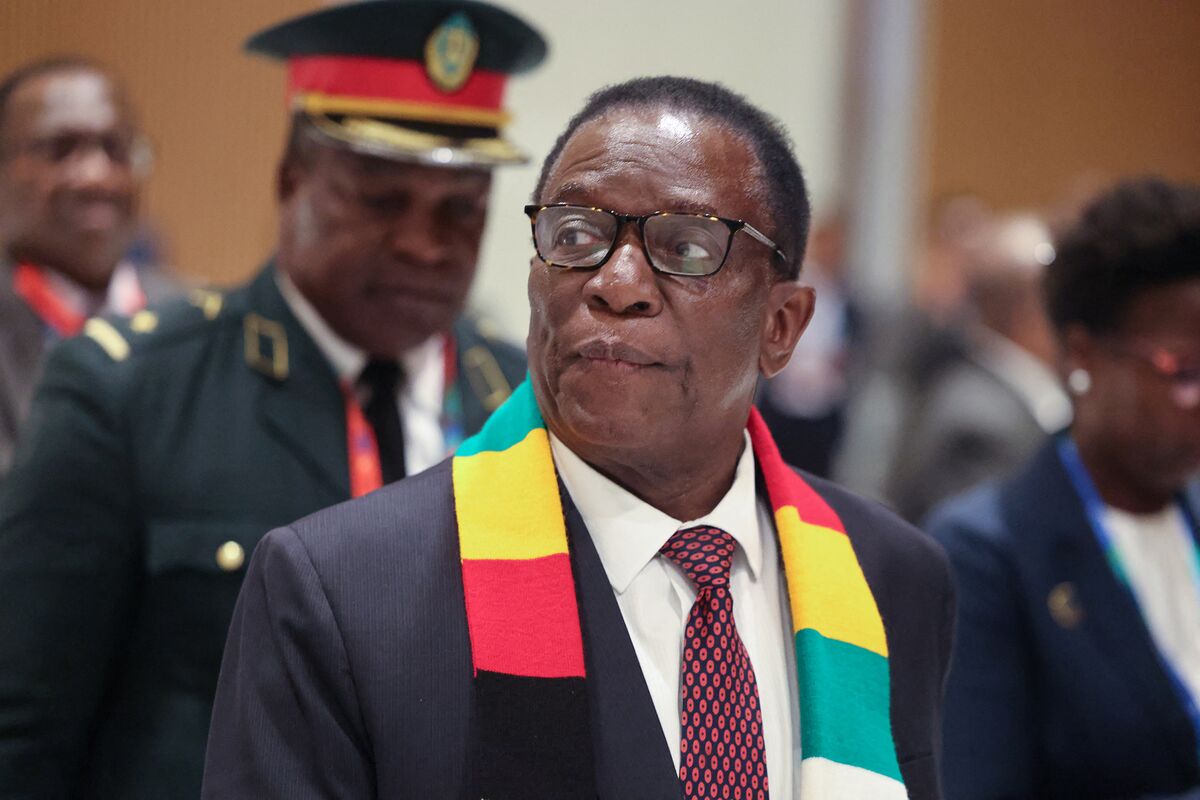
Zimbabwe President Emmerson Mnangagwa signs the Constitutional Amendment (No. 3) Act on July 7, extending the presidential term and changing how the president is chosen. The amendment lengthens the maximum presidential term from two five-year terms to two seven-year terms, effectively extending Mnangagwa’s time in office by two years, until 2030 rather than 2028. It also abolishes direct election of the president by popular vote and replaces it with a parliamentary method for selecting the president.
The measure follows ZANU PF’s October 2025 resolution calling for continuity and stability. Parliament approves the amendment in the period leading up to the signing. Human rights groups and critics argue the changes reduce democratic accountability and restrict citizens’ ability to choose their leader through periodic elections. Human Rights Watch and others document reported intimidation and arbitrary arrests of civil society groups, opposition parties, student leaders, and activists involved in opposing the amendment. Mnangagwa and supporters defend the changes as decisions driven collectively rather than personal ambition. A legal challenge by constitutional advocates is dismissed on procedural grounds.