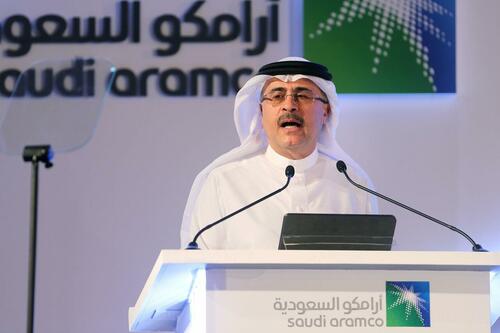
Saudi Aramco CEO Amin Nasser says the global oil market is facing its largest supply shock as the Strait of Hormuz remains disrupted. Nasser tells investors that the world is losing about 100 million barrels of oil every week while Hormuz is closed, and that the gap between physical supply tightness and oil futures prices is growing. He links the impact to “demand rationing,” saying Aramco expects rationing to continue as long as supplies are disrupted through Hormuz, though he anticipates a robust return to demand growth if normal shipping resumes.
Nasser also warns that even if Hormuz reopened, rebalancing would take time and could prevent normalization until 2027 if the disruption extends for weeks. Other analysts cited across the reports describe global buffers becoming strained as inventories are drawn down and spare capacity is not immediately available. Morgan Stanley highlights that supply losses near 1 billion barrels have already occurred and projects additional large losses over the rest of 2026 due to operational delays in restarting fields, repairing refineries, and repositioning tankers.
Some relief measures and alternative routes partially offset the disruption, including inventory releases and alternative exports and strategic supply actions.