


Maruti Suzuki has commissioned a 1 MWh Battery Energy Storage System (BESS) at its Kharkhoda manufacturing facility in Haryana, the company says. Sources report the BESS is integrated into the plant’s internal electricity distribution network and is used as a pilot initiative to store surplus solar electricity generated during periods when the facility has low demand or is not operating. The stored power is intended to be used later, reducing reliance on conventional electricity sources. Several outlets also link the project to emissions reduction goals. Maruti Suzuki states the system has an expected operating life of about 15 years and is projected to cut nearly 54 tonnes of CO₂ emissions annually by increasing the utilisation of solar power at the plant. Business Standard adds that in 2025 the company installed a 20 MWp solar power project at Kharkhoda, and that solar generation during facility holidays had been underutilised due to lack of demand. The company also says the BESS supports improved grid stability and remains focused on lowering Scope 1 and Scope 2 emissions as production volumes increase.
Maruti Suzuki commissions 1 MWh battery energy storage at Kharkhoda plant
Maruti Suzuki has commissioned a 1 MWh Battery Energy Storage System (BESS) at its Kharkhoda manufacturing facility in Haryana, the company says. Sources report the BESS is integrated into the plant’s...
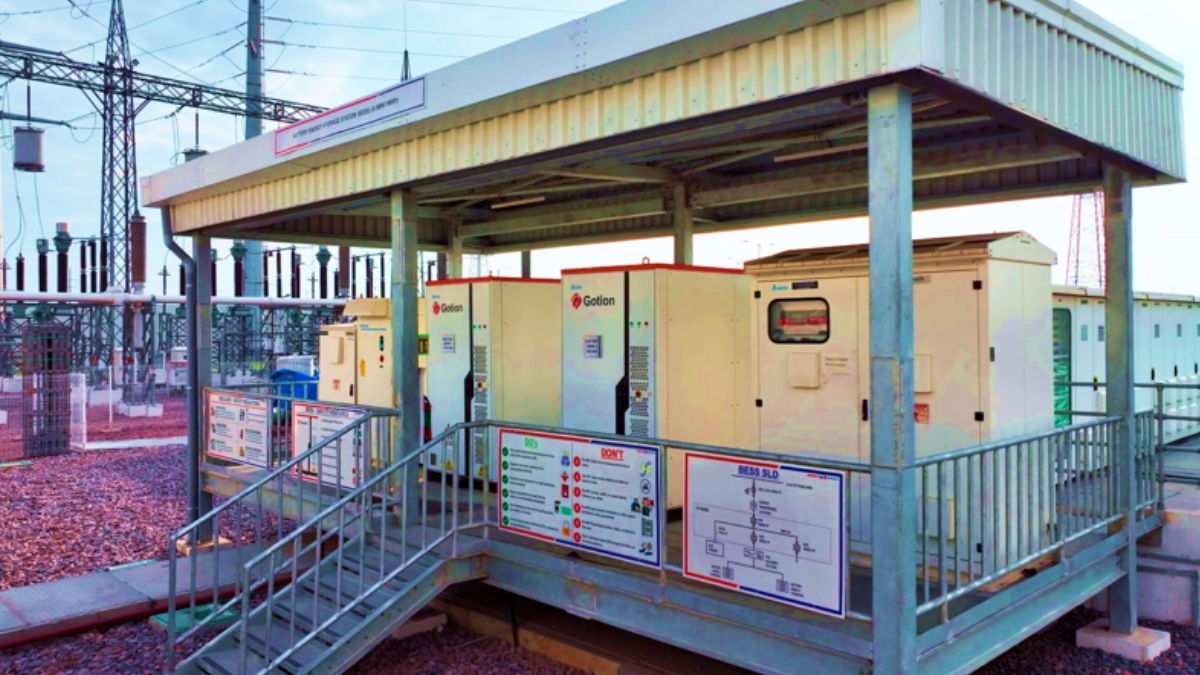
- Maruti Suzuki commissions a 1 MWh battery energy storage system at its Kharkhoda manufacturing facility in Haryana.
- The BESS is integrated into the plant’s internal electricity distribution network as a pilot initiative.
- It stores surplus solar power generated during low-demand periods or facility holidays for later use.
- The company links the project to emissions reduction, projecting about 54 tonnes of CO₂ reduced annually and an expected 15-year operating life.
- Maruti Suzuki says the BESS helps address underutilised solar generation and supports improved grid stability.
A battery storage system is now operational at Maruti Suzuki's Kharkhoda plant. This system stores surplus solar power generated during non-operational hours. The stored energy will be used later, reducing reliance on conventional electricity sources. This initiative is expected to significantly cut carbon emissions annually. The project supports India's focus on self-reliant energy ecosystems.
1 month agoAccording to the company, the BESS has an expected operating life of around 15 years and is projected to reduce nearly 54 tonnes of CO₂ emissions annually by increasing the use of solar power generated at the Kharkhoda plant. The automaker also said it remains committed to reducing Scope 1 and Scope 2 emissions even as production volumes increase. The focus will remain on lowering both carbon intensity and overall emissions from manufacturing operations.
1 month agoAs a pilot initiative, BESS has been integrated into the Kharkhoda facility’s internal electricity distribution network
1 month agoMaruti Suzuki commissions battery energy storage system at Kharkhoda plant
1 month agoAs a pilot initiative, a Battery Energy Storage System (BESS) has been integrated into the Kharkhoda facility's internal electricity distribution network
1 month ago
Beluga whale Peekachu dies at Chicago’s Shedd Aquarium after rescue transfer from Ontario
A beluga whale named Peekachu dies at Chicago’s Shedd Aquarium days after being transported there from a closed park in...

Texas woman attacked by hundreds of bees at storage facility after dog provoked swarm
A woman in Texas is reportedly attacked by a swarm of bees at a storage facility, suffering hundreds of stings. One acco...

Three Secret Service officials placed on leave amid internal misconduct investigation
Three U.S. Secret Service officials are placed on administrative leave while the agency investigates potential misconduc...