


Multiple outlets describe how referees at the World Cup must match the physical demands placed on players while managing the pressure of split-second decisions. Coverage highlights that referees face major environmental changes across host cities, including Miami’s high humidity and Mexico City’s high altitude, which can affect breathing and stamina. One report notes that an official may work in humid conditions one match and then officiate at more than 2,200 metres above sea level in the next, requiring rapid adjustment to different stresses. The articles also emphasize the role of referees’ positioning during key moments: when matches hinge on late, fine margins, the referee is expected to be in the correct location to observe incidents accurately and apply the rules. Together, the sources portray officiating as a demanding “hidden” component of tournament performance, combining physical endurance, mobility, and judgment under varying conditions that can influence both play and decision-making.
World Cup referees keep pace with players amid humidity and high-altitude conditions
Multiple outlets describe how referees at the World Cup must match the physical demands placed on players while managing the pressure of split-second decisions. Coverage highlights that referees face...
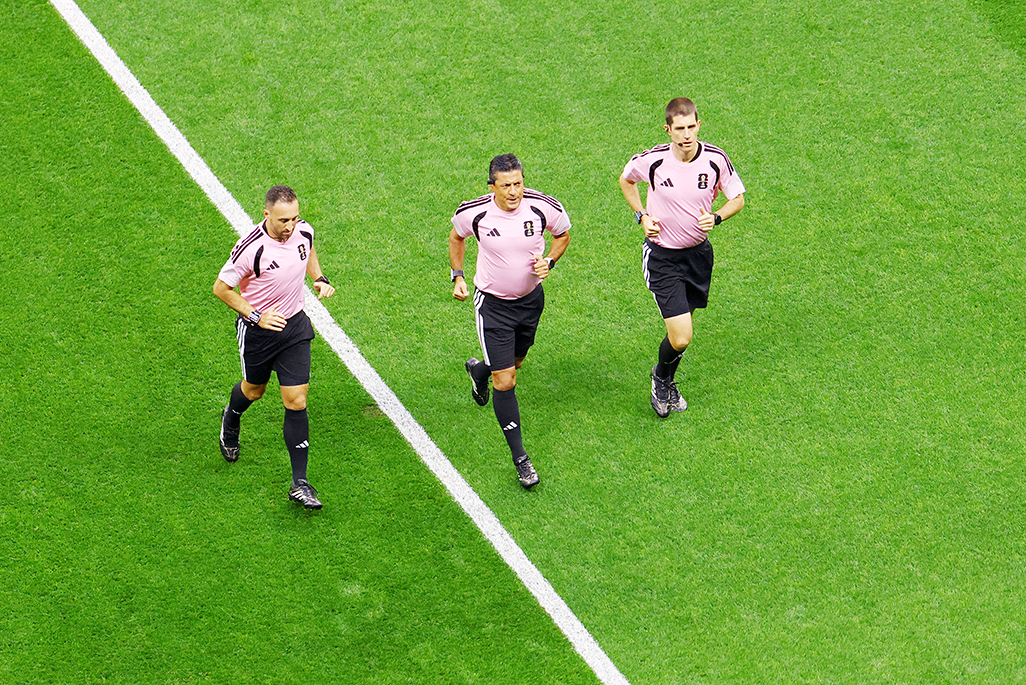
- World Cup referees face demanding physical requirements, including keeping pace with players during play.
- Referees work across host cities with very different environmental conditions.
- Some matches take place in humid conditions such as Miami, which can affect endurance.
- Other matches are played at high altitude, including Mexico City above 2,200 metres, which can affect breathing and stamina.
- Referees are expected to be in the right place at key moments to make accurate late-match decisions.
A referee may spend one match battling humidity in Miami and another chasing play at more than 2,200 metres above sea level in Mexico City.
When a World Cup match turns on a split-second decision in the dying moments, the referee is expected to be in the right place at the right time — no small ask when battling everything from Miami humidity to Mexico City’s lung-busting altitude. While fans focus on players chasing goals, referees are sprinting just as […]
1 month ago
49ers activate George Kittle from PUP, eligible to practice ahead of Week 1
San Francisco 49ers tight end George Kittle is progressing in his recovery from a torn Achilles tendon and is now activa...

Bears trade DT Gervon Dexter to Falcons for Clark Phillips III and a fifth-round pick
The Chicago Bears trade defensive tackle Gervon Dexter to the Atlanta Falcons in a deal made ahead of the league’s 53-ma...

Sir Alex Ferguson attends Old Trafford in protective boot for Manchester United vs Ipswich
Sir Alex Ferguson is seen at Old Trafford on match day, arriving to support Manchester United as they play Ipswich Town...