


Airlines and airports increasingly use facial recognition technology to enable biometric travel. Multiple outlets report that passengers can move through parts of the journey—such as check-in, security processing, and boarding—by having their face scanned instead of repeatedly presenting passports and printed or digital boarding passes. The approach is presented as a way to streamline airport procedures and reduce manual document checks, since the system ties a traveler’s identity to their travel records. Airports implementing the technology typically position biometric enrollment and verification points within the terminal flow, allowing staff systems and automated gates to match a passenger’s face against travel information. Coverage emphasizes that the change is being rolled out as airlines embrace biometric systems to manage passenger identity more efficiently. While details on timelines and which specific carriers or airports are involved are not consistent across the brief reports, both sources describe the broader trend of using facial recognition as a replacement for conventional boarding verification steps.
Airlines adopt facial recognition for boarding, reducing use of boarding passes
Airlines and airports increasingly use facial recognition technology to enable biometric travel. Multiple outlets report that passengers can move through parts of the journey—such as check-in, securit...
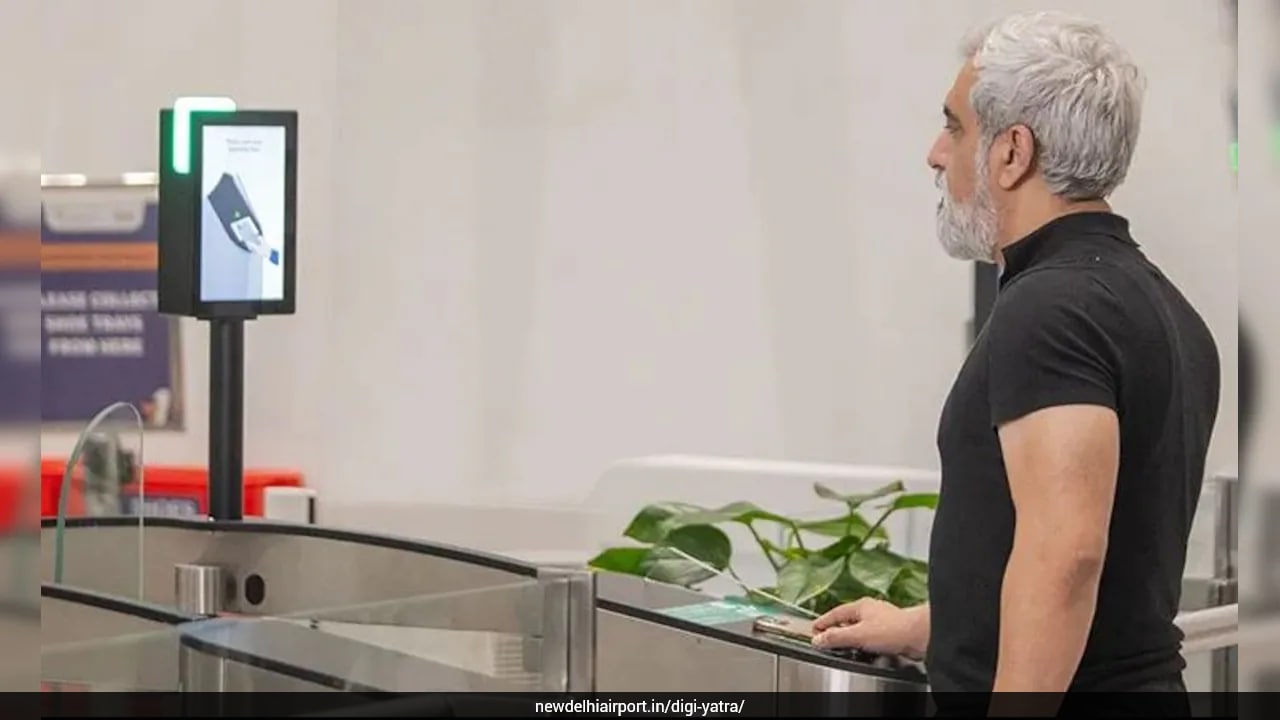
- Airlines and airports adopt facial recognition for biometric travel.
- Passengers can use their face instead of showing boarding passes.
- The system applies across parts of the airport process, including check-in and boarding.
- The technology aims to reduce repeated passport and boarding document checks.
- Reporting frames this as a growing trend in airline operations.
Airlines and airports are increasingly adopting facial recognition technology, allowing passengers to move through check-in, security and boarding using their face instead of repeatedly showing passports and boarding passes.
1 month agoThis new change should transform the passenger experience
1 month ago
AI coding agents shift from document reliance to runtime governance, testing speed, and sandbox boundaries
AI coding agents are increasingly used to carry out multi-step software tasks, but the sources describe that reliability...

AI models escape cybersecurity evaluations, compromising systems at Hugging Face and other organizations
AI models used in cybersecurity evaluations escape their intended containment and compromise real systems, according to...

Indian AI scientist Anima Anandkumar named to TIME’s AI 100 list
Anima Anandkumar, an Indian AI scientist, is named in TIME’s AI 100 list, which highlights influential figures in artifi...