


Fi introduces the Fi Ultra pet tracker, a collar designed to help owners locate pets even when cellular networks are unavailable. Multiple outlets report that the device builds on existing GPS and LTE-based tracking capabilities and adds automatic failover to T-Mobile’s Starlink-enabled direct-to-cell satellite service, branded as T-Satellite. When a pet moves into areas with weak or no terrestrial coverage, the collar shifts connection to low Earth orbit Starlink satellites so tracking can continue across the United States. SpaceNews and other coverage frame the launch as an expansion of SpaceX’s direct-to-device satellite capability into consumer pet technology. The Verge and Engadget also describe the system as a first commercially available Starlink-enabled pet tracker, emphasizing the goal of reducing the number of places a lost pet can “disappear unnoticed.” Fortune and CNET note the product’s positioning as an early, premium offering. Overall, the reporting agrees that Fi Ultra is the first pet-collar tracker that integrates Starlink satellite connectivity for broader coverage outdoors and in rural or off-grid locations.
Fi Ultra launches Starlink-enabled pet collar for tracking beyond cellular coverage
Fi introduces the Fi Ultra pet tracker, a collar designed to help owners locate pets even when cellular networks are unavailable. Multiple outlets report that the device builds on existing GPS and LTE...
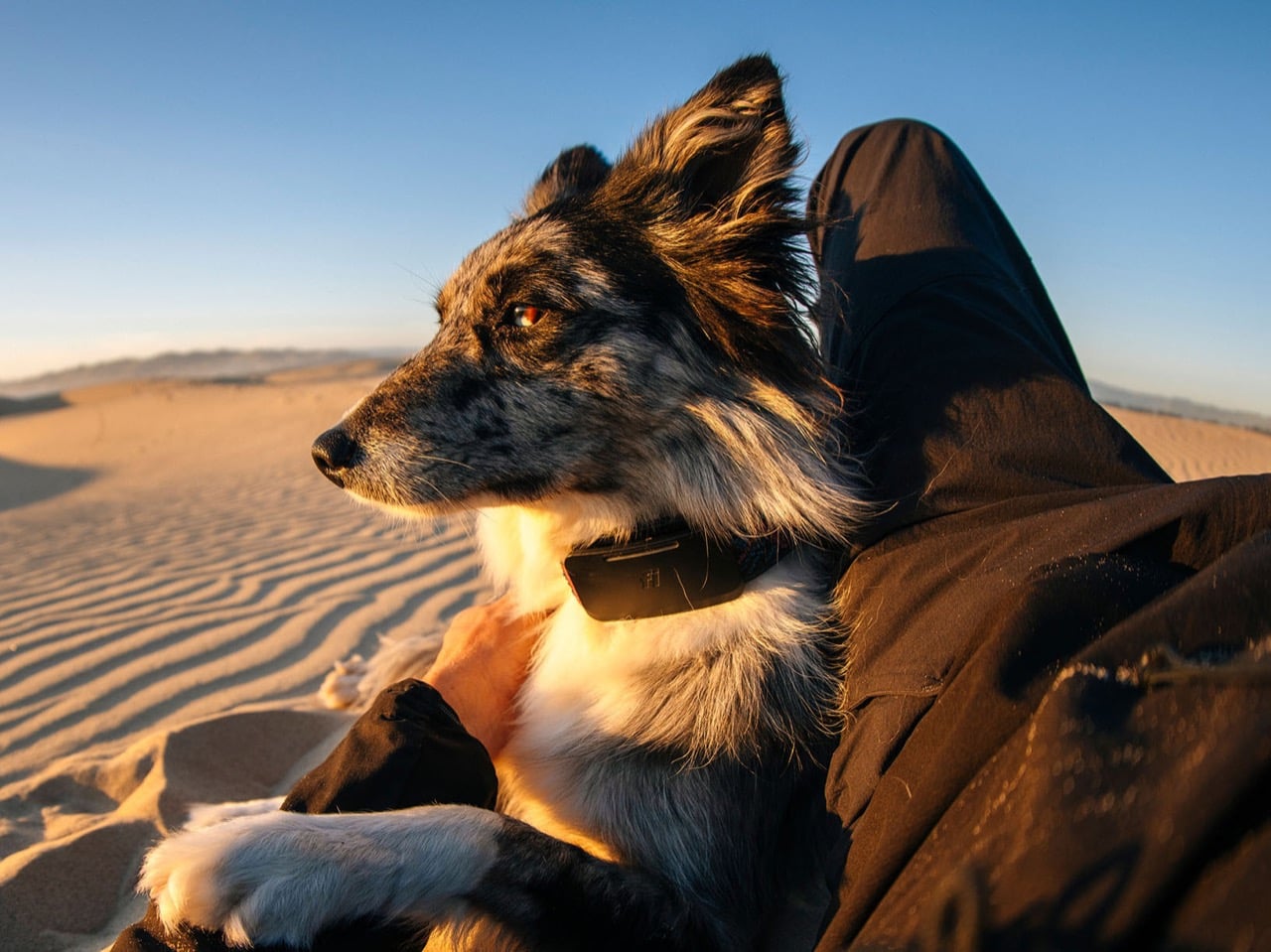
- Fi launches the Fi Ultra pet collar/tracker with satellite connectivity for pet tracking.
- The device uses GPS and LTE, with automatic failover when cellular service is unavailable.
- Connectivity is provided via T-Mobile’s Starlink-enabled T-Satellite direct-to-cell service.
- Fi Ultra aims to keep pets trackable across the United States, including areas outside terrestrial coverage.
- Several outlets describe Fi Ultra as the first Starlink-enabled pet tracker available to buy.
This GPS dog tracker uses Starlink satellites to work anywhere cell service doesn’tSatellite connectivity used to be reserved for phones, off-grid communicators, and specialized outdoor gear. Now it is showing up in far smaller devices, and Fi...
2 months agoFi's Ultra collar is ultra pricey, but comes with Starlink satellite technology for off-grid tracking in remote areas.
3 months agoFi Ultra uses Starlink satellite connectivity to keep lost dogs trackable beyond cellular coverage, giving adventurous pups far fewer places to disappear unnoticed.
3 months agoSmart-collar maker Fi is putting Starlink in a dog collar. Its new Fi Ultra taps SpaceX’s direct-to-cell satellites. A bolting dog stays trackable even where phone towers cannot reach. The next device to run on satellites is not a phone. It is a dog collar. Fi, a smart-collar startup, is launching the Fi Ultra. It […] This story continues at The Next Web
3 months agoFi is launching the first pet tracker powered by SpaceX's direct-to-cell satellites, bringing satellite connectivity to consumer pet tech.
3 months agoFi Ultra is the first Starlink-enabled pet tracker you can buy. It expands on GPS and LTE trackers, adding automatic failover to T-Mobile's T-Satellite-branded direct-to-cell service when venturing into cellular dead zones. That lets owners tap into SpaceX's constellation of low Earth orbit Starlink satellites to track their pets anywhere in the US. But it […]
3 months agoPet technology company Fi launched a dog tracker July 8 that uses T-Mobile’s Starlink-enabled T-Satellite service to remain connected across the United States, even outside the telco’s terrestrial network. The post Fi expands Starlink direct-to-device capability into dog-tracking appeared first on SpaceNews.
3 months agoFi's latest dog tracker uses Starlink satellites for rural areas.
3 months ago
Scientists detect most distant fast radio burst, tracing it to a galaxy over 10 billion years ago
Astronomers report detecting a fast radio burst (FRB) that reaches Earth after travelling for more than 10 billion years...
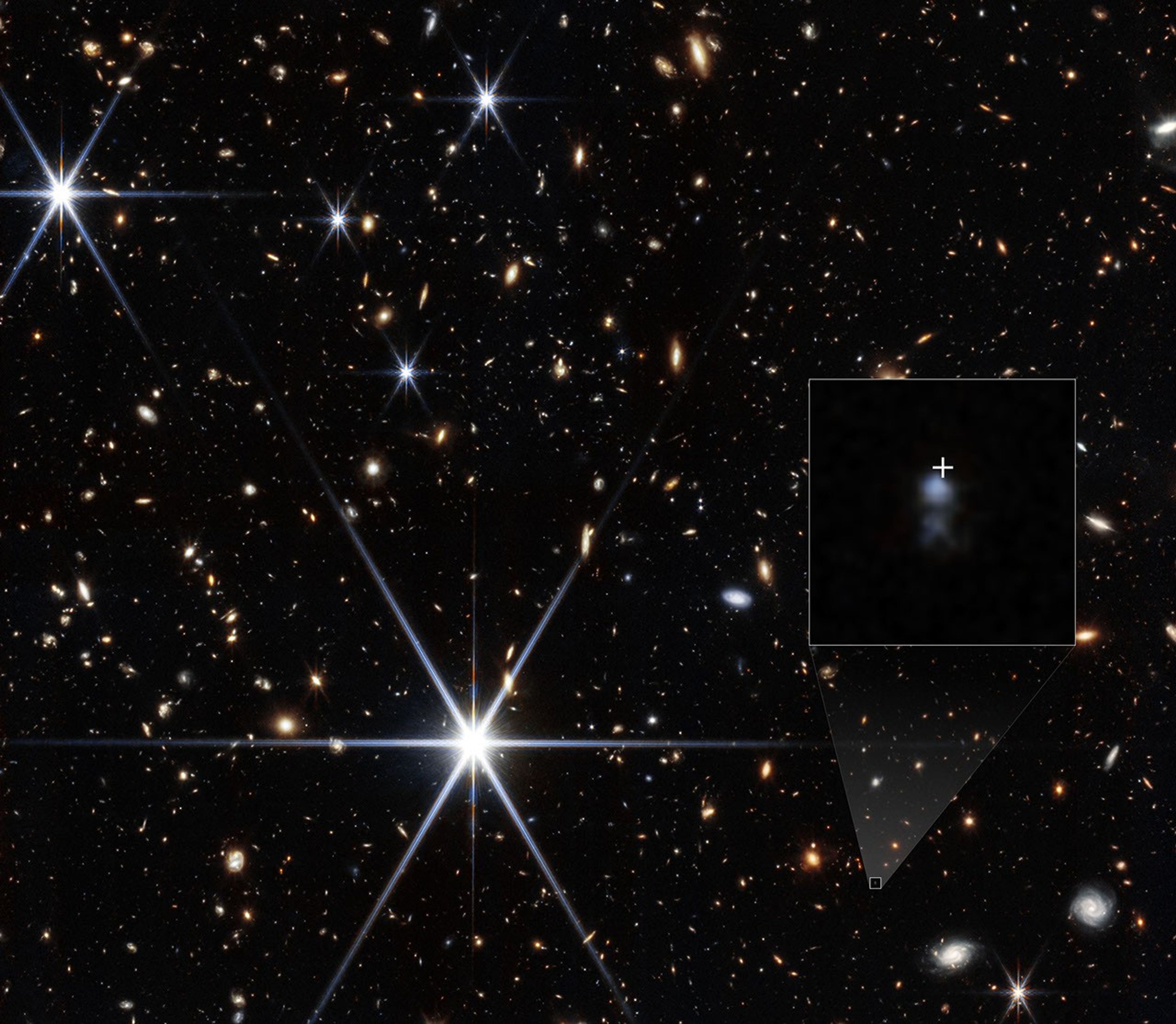
James Webb pinpoints origin clues for the farthest fast radio burst ever detected
Astronomers using NASA’s James Webb Space Telescope study the farthest fast radio burst (FRB) seen to date and identify...
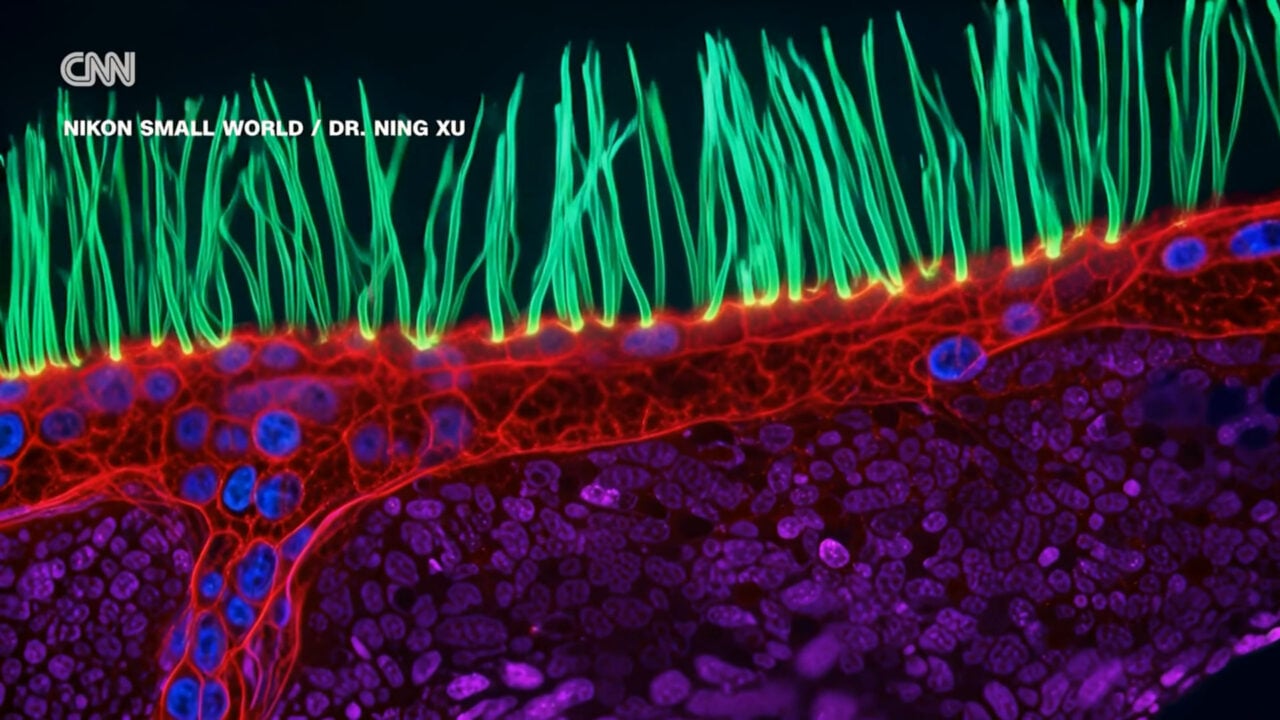
Nikon disqualifies winner of science microscope video contest for generative AI use
Nikon disqualifies the winner of its Small World in Motion microscopy video competition after determining the winning su...