
Seoul and Busan are experiencing growing financial pressure from policies that provide free subway rides to designated groups, particularly seniors. The program began in 1984 for people aged 65 or older and has expanded in cost as South Korea’s population continues to age, increasing the number of riders eligible for the benefit. Multiple reports describe how the free-ride policy has led subway operators to accumulate large losses over time, reaching hundreds of billions of won. In Seoul, Seoul Metro—which operates subway lines 1 through 8 across Seoul, Incheon and Gyeonggi Province—recorded an operational deficit of 450 billion won (about $290 million) last year attributed to free rides, according to the National Assembly Research Service. That amount accounted for 54% of the company’s total deficit. Coverage also notes that relevant central government ministries have not taken immediate action to address the mounting strain. As a near-term response, lawmakers are considering a bill pending before a National Assembly standing committee that could provide financial relief, though its outcome is not yet determined.
Seoul and Busan face rising costs from free senior subway ride program
Seoul and Busan are experiencing growing financial pressure from policies that provide free subway rides to designated groups, particularly seniors. The program began in 1984 for people aged 65 or old...

- South Korea’s free senior subway ride program started in 1984 for people aged 65 or older.
- Seoul and Busan report increasing financial strain linked to the free-ride policy.
- Seoul Metro cites a 450 billion won operational deficit last year from free rides, representing 54% of its total deficit.
- The National Assembly Research Service provides the figures used to quantify the losses.
- A bill pending before a National Assembly standing committee is presented as the main immediate potential source of relief.
Seoul and Busan are facing mounting financial pressure from providing free subway rides to designated groups, raising concerns about the long-term sustainability of local governments' operation of the critical public transit system. The service, introduced in 1984 for people aged 65 or older, has now accumulated losses worth hundreds of billions of won for subway operators. While the ministries responsible for the laws underpinning the program have remained largely aloof to the growing financial strain, the only immediate relief in sight is a bill pending before a National Assembly standing committee. The losses are staggering, and as the population ages, the number of people who benefit from the service grows, fueling the problem. Seoul Metro, under the Seoul Metropolitan Government, operates subway lines 1 through 8 across Seoul, Incheon and Gyeonggi Province. Last year alone, it saw an operational deficit of 450 billion won ($290 million) from free rides, according to the National Assembly Research Service (NARS). That figure accounted for 54 percent of the company’s entire deficit
1 hour agoSeoul and Busan are facing mounting financial pressure from providing free subway rides to designated groups, raising concerns about the long-term sustainability of local governments' operation of the critical public transit system. The service, introduced in 1984 for people aged 65 or older, has now accumulated losses worth hundreds of billions of won for subway operators. While the ministries responsible for the laws underpinning the program have remained largely aloof to the growing financial strain, the only immediate relief in sight is a bill pending before a National Assembly standing committee. The losses are staggering, and as the population ages, the number of people who benefit from the service grows, fueling the problem. Seoul Metro, under the Seoul Metropolitan Government, operates subway lines 1 through 8 across Seoul, Incheon and Gyeonggi Province. Last year alone, it saw an operational deficit of 450 billion won ($290 million) from free rides, according to the National Assembly Research Service (NARS). That figure accounted for 54 percent of the company’s entire deficit
5 hours ago
Trainee doctor admits filming hundreds of colleagues with hidden bathroom cameras
A trainee doctor, Ryan Cho, admits filming hundreds of colleagues using hidden cameras placed in bathroom facilities, ac...

GSTV cash and MediSave top-ups set for eligible Singaporeans in August
Eligible Singaporeans who sign up by 14 July can receive payments under the GST Voucher (GSTV) schemes in August, accord...
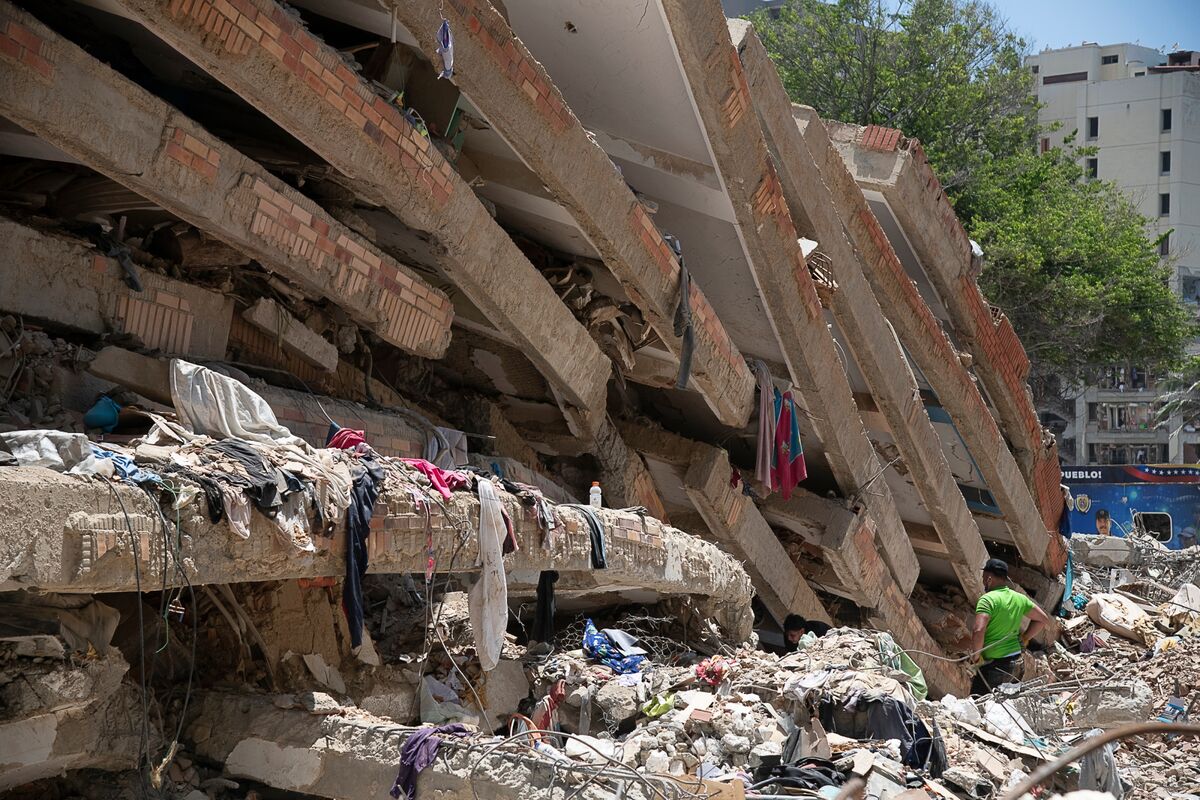
Venezuela earthquake death toll rises as search and aid efforts continue
Multiple outlets report that the death toll from Venezuela’s twin earthquakes continues to rise as rescue and search ope...