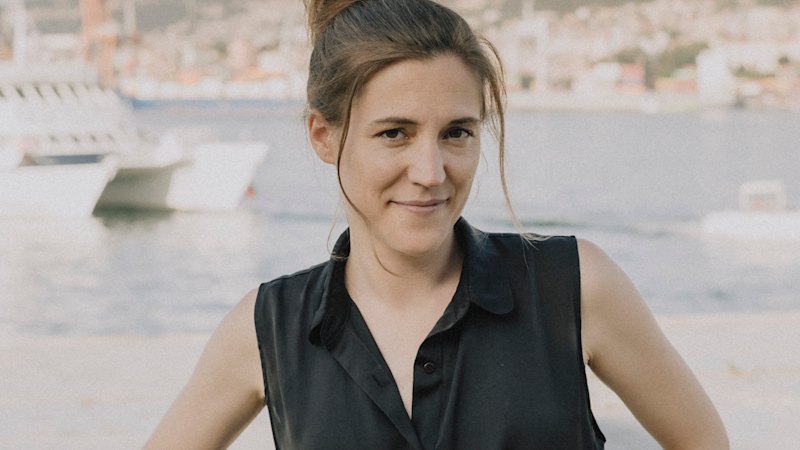
Several outlets report on filmmaker Carla Simón’s work Romeria, linking it to a wider, largely unspoken history in Spain following the death of former dictator Francisco Franco. The articles describe how the transition to freedom after Franco’s death coincides with an “epidemic” of child removals and separations, which many families experience as a long-running silence rather than a documented public crisis. Across the coverage, the film is presented as addressing what happens when parents lose children under circumstances that are not openly discussed, and when affected families feel isolated in their grief.
The sources say Romeria broadens the focus from one family’s experience to a broader social pattern affecting many people, positioning the film as a response to that silence. While the articles emphasize the personal impact on Simón and her parents, they also describe the story as representative of others who lived through similar events in the same period. Overall, the reporting frames the film as challenging the lack of visibility around these losses, and bringing attention to how that silence shapes memory, identity, and family history.