


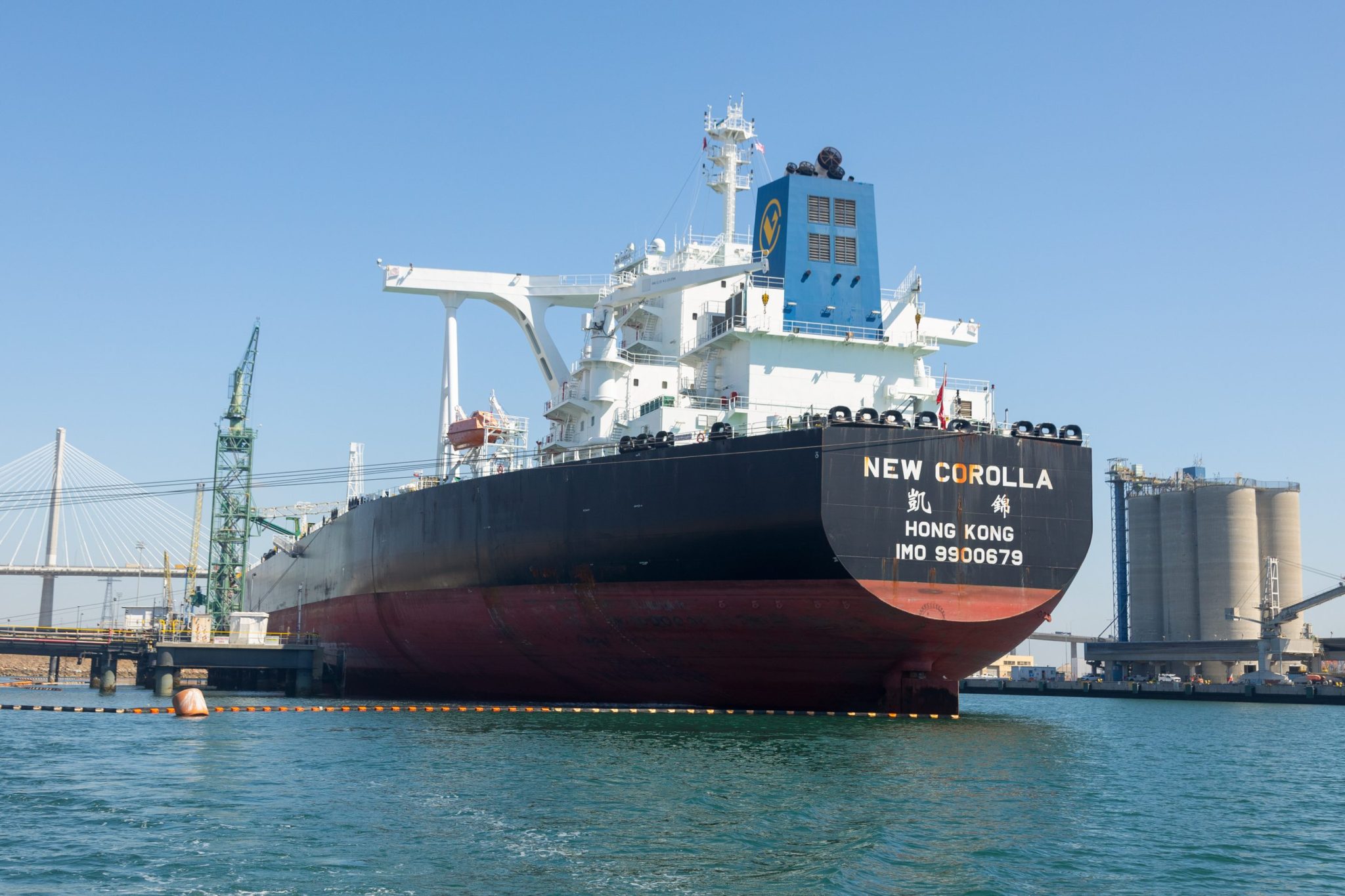
Recent reporting describes how modern global energy logistics operate as an “Amazon of oil,” enabling faster rerouting of petroleum supplies to areas with sudden demand shocks or disruptions. Across outlets, the focus is on the ability of companies and governments to redirect tankers, adjust routing and scheduling, and reallocate cargoes using digital planning and tracking systems. This technological infrastructure helps markets respond more quickly to events such as supply interruptions, geopolitical tensions, or rapid changes in consumption patterns.
Rather than relying solely on fixed delivery schedules, the networks allow market participants to identify available cargoes, coordinate movement across ports and shipping lanes, and update transactions as conditions change. By improving the speed and visibility of where oil can be delivered next, the logistics system can reduce the likelihood that localized shortages cascade into broader price spikes. The reporting also emphasizes that these capabilities are not automatic; they depend on commercial arrangements, shipping capacity, and operational coordination. Still, the shared theme is that improved logistics and information flow give the global oil market more flexibility, which can help limit extreme price volatility during periods of disruption.


