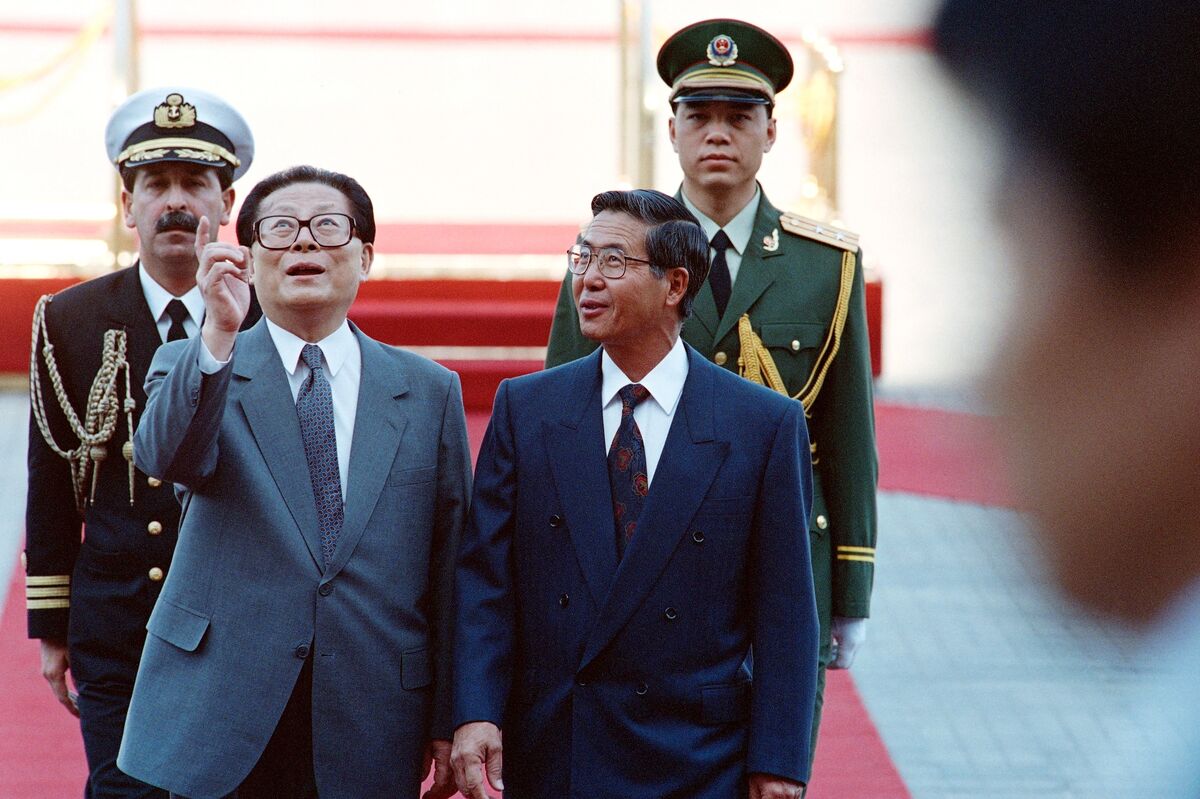
Peru’s political debate over China is shaped by the legacy of former President Alberto Fujimori, whose first trip to Beijing about 35 years ago is widely cited as helping pivot Peru toward stronger ties with China. Multiple reports say this historical relationship now constrains efforts—associated with U.S. President Donald Trump—to reassert American influence in the Western Hemisphere and push Peru toward a more China-skeptical stance.
Bloomberg reports that the Fujimori-era move is evidence of the “limits” of Washington’s current pressure, suggesting Peru’s foreign policy choices have enduring roots beyond short-term U.S. strategies. The Japan Times similarly frames the issue through Keiko Fujimori, who is expected to face the practical challenge of governing while balancing her father’s established connections to Beijing.
Bloomberg adds that Keiko Fujimori appears reluctant to fully abandon her father’s approach to China, indicating that any shift in Peru’s policy may be cautious rather than abrupt. Taken together, the outlets describe a continuity of Peru–China ties rooted in past leadership, occurring as U.S. efforts to curb China’s role seek results in the region.