


Across outlets, the central claim is that Norway’s approach to sport differs significantly from the United States’ emphasis and that this contrast helps explain differing outcomes in the World Cup. One theme is that the Norwegian model treats sport more as participation, enjoyment, and community values, while the American model often ties sports more closely to competition intensity, performance metrics, and high-stakes success. Sources also state that only one of the compared systems is still represented in the World Cup, suggesting that the differing philosophies and their incentives shape how teams prepare and sustain competitiveness through tournament stages. While both pieces focus on philosophy rather than detailed match-by-match reporting, they agree on the framing: sports culture influences what athletes and organizations prioritize, and those priorities can affect progression in major competitions. Overall, the articles present sports philosophy as a lens for understanding World Cup results, rather than attributing outcomes to a single factor such as coaching or player talent.
Norway’s sports philosophy diverges from America’s as World Cup fortunes change
Across outlets, the central claim is that Norway’s approach to sport differs significantly from the United States’ emphasis and that this contrast helps explain differing outcomes in the World Cup. On...
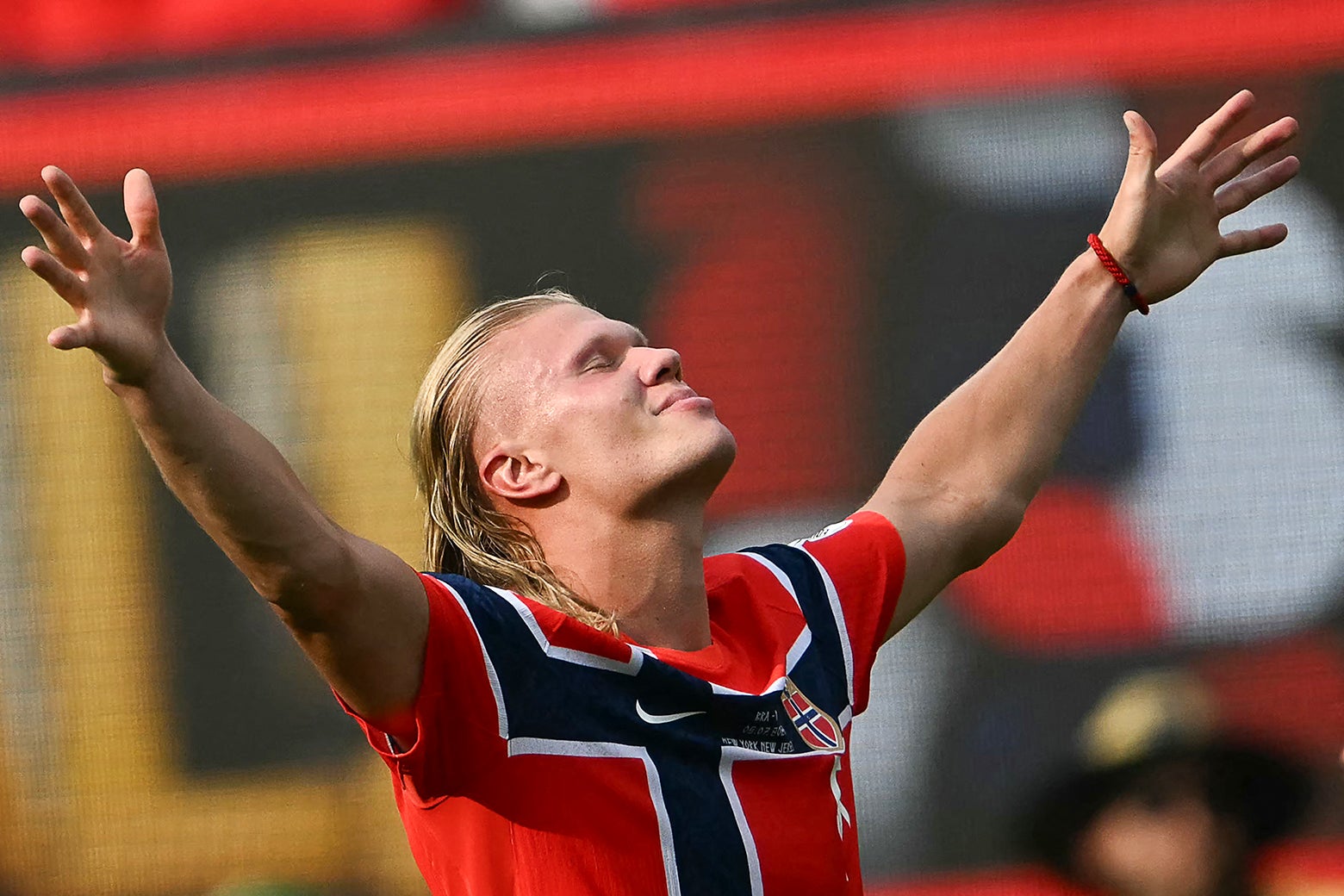
- The articles argue that Norway’s sports philosophy differs from America’s.
- The pieces present sports culture as a driver of how teams prepare and compete.
- They state that only one of the compared approaches remains in the World Cup.
- Both sources focus on philosophical framing more than detailed match statistics.
We’re fundamentally misunderstanding the point of sports.
1 month agoWe’re fundamentally misunderstanding the point of sports.
1 month ago
Kalshi promo codes offer sign-up bonuses for MLB and NFL preseason prediction markets
Multiple outlets report that Kalshi is running sign-up promotions that provide trading bonuses to new users through diff...
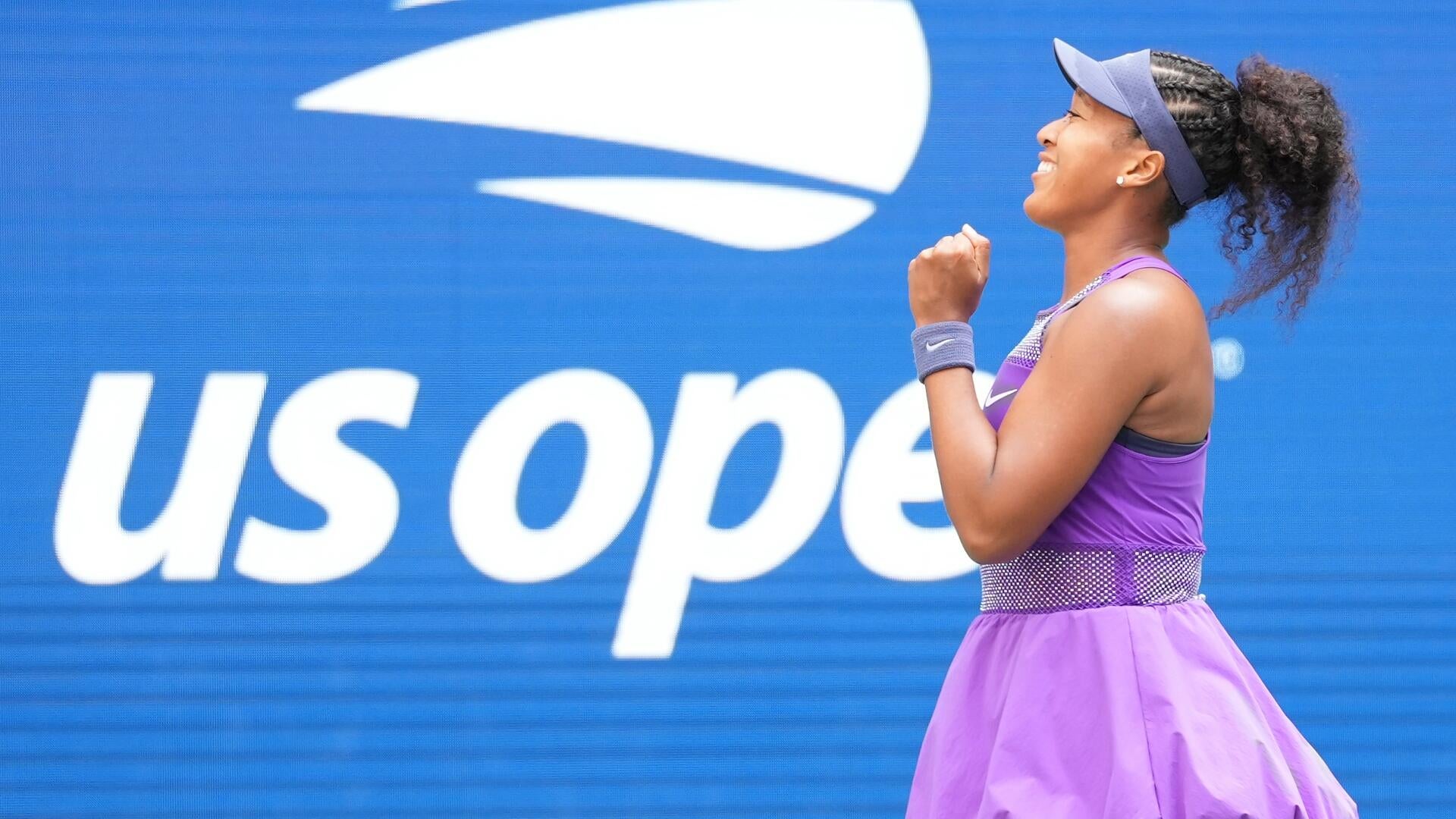
Tennis handicapper Jose Onorato releases 2026 U.S. Open picks for men’s and women’s draws
Tennis handicapper Jose Onorato publishes predictions and betting picks for the 2026 U.S. Open, offering selections for...

Indiana Fever sparks debate with campaign urging Caitlin Clark and Kelsey Mitchell for joint MVP
The Indiana Fever launch a promotional campaign that frames Caitlin Clark and Kelsey Mitchell as joint Most Valuable Pla...