


Germany agrees to purchase U.S.-supplied Tomahawk cruise missiles as part of an effort to close a NATO-related defense capability gap and improve Germany’s own long-range strike options. Multiple outlets report that the deal involves acquiring the missiles from the United States and stationing them on German soil. The missiles are described as precision weapons designed for long-range engagement, enabling strikes at substantial distances. The reporting frames the move as a shift toward building or expanding Germany’s capacity for longer-range deterrence and operational reach within NATO. One outlet also places the decision in a broader historical and industrial context, noting that Germany previously led missile innovation before focusing primarily on collective defense after World War II. It adds that, alongside receiving Tomahawks, Germany is also working toward developing indigenous long-range missile systems. Across the articles, the common elements are the agreement to buy Tomahawk cruise missiles from the United States, their basing in Germany, and the stated purpose of strengthening long-range military capability and NATO readiness.
Germany agrees to buy U.S. Tomahawk cruise missiles to bolster long-range NATO capability
Germany agrees to purchase U.S.-supplied Tomahawk cruise missiles as part of an effort to close a NATO-related defense capability gap and improve Germany’s own long-range strike options. Multiple outl...
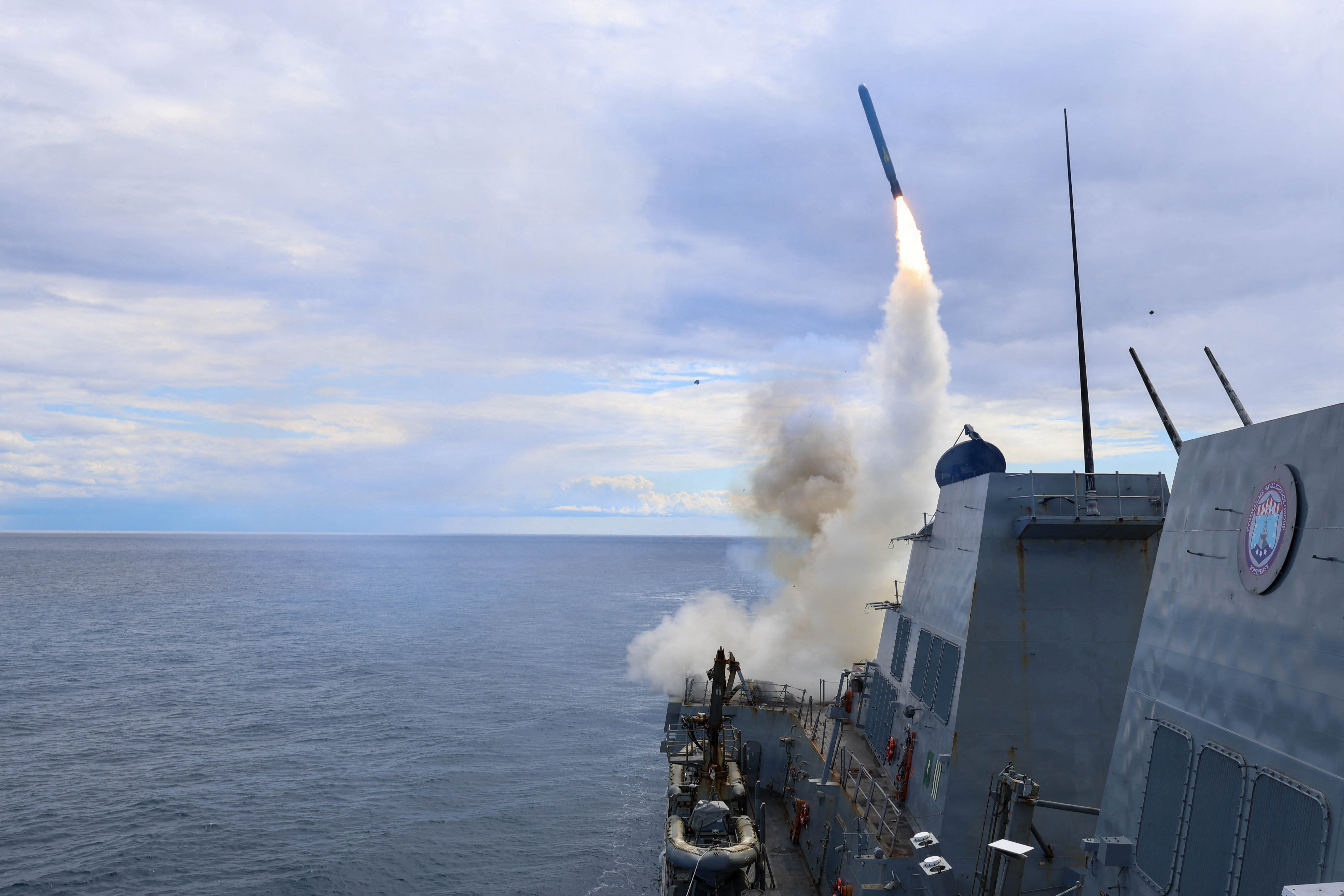
- Germany agrees to buy U.S. Tomahawk cruise missiles.
- The missiles are to be based on German soil.
- The procurement is intended to strengthen Germany’s long-range strike and deterrence capability within NATO.
- The deal is described as closing a perceived strategic or defense capability gap.
- Germany is also reported to be working on indigenous long-range missile systems alongside the U.S. acquisition.
Germany's acquisition of US Tomahawk cruise missiles marks a pivotal strategic transition, signaling a revival of its original role in cruise missile development. Post-World War Two, Germany shifted focus to collective defense, but the evolving European security landscape now demands enhanced long-range strike capabilities. By opting for Tomahawks, Berlin aims to address pressing defense gaps while simultaneously working on its indigenous systems.
1 month agoGermany will purchase Tomahawk cruise missiles from the United States and station them on German soil.
1 month agoGermany will purchase Tomahawk cruise missiles from the United States and station them on German soil.
1 month agoIn a decisive move to bolster its military readiness, Germany is set to acquire Tomahawk cruise missiles from the United States. This procurement not only addresses a vital strategic shortcoming in Germany's defense arsenal, but also enhances its long-range strike capabilities. The Tomahawk, known for its precision, will enable strikes deep into hostile territories, significantly amplifying Germany's contribution to NATO's deterrence framework.
1 month ago
Iceland referendum vote too close to call on resuming EU membership talks
Iceland is holding a referendum on Saturday on whether to resume accession negotiations with the European Union, and the...
US and Iran exchange strikes as tentative deal nears; Hormuz terms and nuclear talks remain disputed
The United States and Iran continue to trade military strikes and accuse each other of ceasefire violations, even as dip...

Nepal Army rescues people trapped in hydropower tunnel after flooding in Rasuwa
Nepal’s army is carrying out rescue operations after catastrophic flooding in the Rasuwa area traps people inside a hydr...