ZeroHedge
Starbucks Using AI To Build Software Replacing Applications It Buys From Microsoft, IBM
Corporate America has been desperate to see a burst of productivity (i.e., cost cutting) emerging from the latest flood of agentic AI euphoria, and it is slowly starting to get it. Not everyone will be pleased.
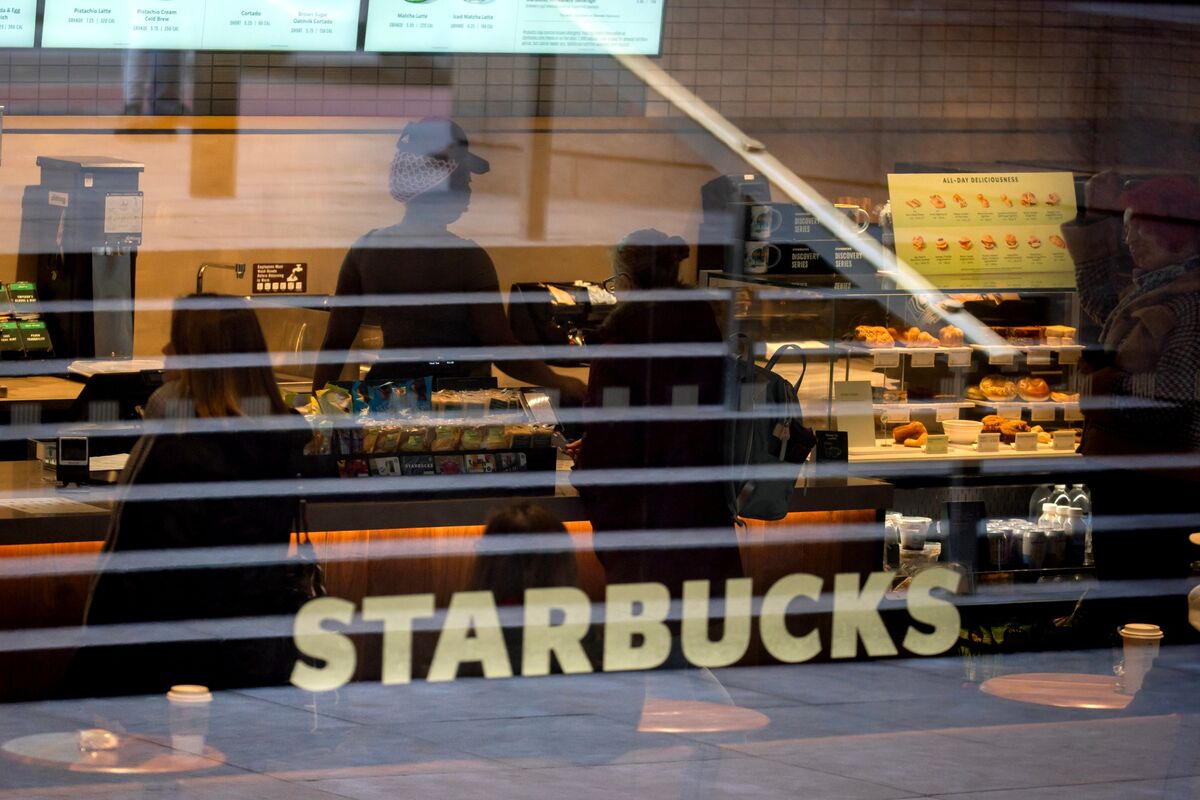
Starbucks is developing in-house tools with the help of artificial intelligence that could replace some software applications it now buys from companies such as Microsoft and IBM.
According to Bloomberg, the coffee chain, whose stock price has gone nowhere in the past 3 years, is building alternatives to a Microsoft system that tracks inventory and an IBM tool that manages maintenance. Some of the Starbucks-developed software could roll out by the end of next year, pending the results of testing, the report notes.
Before the advent of advanced AI models, businesses were tethered for years to their technology vendors due to fear of business disruption and the complexity of building in-house tools. But AI is shifting that calculus as it makes it easier to develop applications from scratch and as companies push workers to use the technology (especially when it means those very same workers are teaching AI models how to do their work for them).
This is hardly new: at the start of 2026 the software sector cratered as Wall Street expressed doubts about the "terminal value" of business models that can easily be disrupted by AI. Since then, sentiment has stabilized but leading software companies still face concerns about whether they’ll be able to fend off competition from products built by upstarts, or their own customers, using AI. This phenomenon has weighed on software stocks this year, with Microsoft and IBM both trailing the S&P 500.
Shares of both companies fell during trading on Thursday, with Microsoft down 2.4% and IBM sinking 5.2% at 9:30 a.m. in New York, following the Bloomberg report..
Starbucks spends about $400 million a year on software alone, CTO Anand Varadarajan told workers in an internal forum earlier this year. “There’s clear opportunities to reduce the spend in software,” Varadarajan said. In-house software can be cheaper, an incentive for companies such as Starbucks, which is looking to cut $2 billion in costs as part of a broader turnaround effort. That said, in the long run, building can lead a company to pay higher maintenance and labor costs.
When it comes to technology, Starbucks company is reviewing “every contract and service,” according to the presentation seen by Bloomberg. In some cases, that includes building products to replace software that its engineers have to heavily tailor anyway. As an example, the company has been working for several years on building a point-of-sale system that would take the place of Oracle Simphony. In a blog post earlier this year, the company said AI and other technology advancements will support its long-term growth and free up baristas to focus more on customer service.
AI-assisted coding was also key to developing the platform that could replace the IBM tool. Starbucks has been pushing tech workers to use artificial intelligence, even factoring usage into their bonuses, which is ironic since the better the model, the less need for the person who created it meaning the bonus will likely be their last.
To be sure, there’s skepticism about how much, or how quickly, AI can speed up and automate work. Starbucks recently pulled an AI-powered system to track inventory at stores, reverting to manual counting; According to Reuters, that tool was part of CEO Brian Niccol's efforts to fix the coffee chain's persistent product shortages that he has blamed for hurting sales. The app - designed to improve Starbucks’ visibility into shortages at stores - frequently miscounted and mislabeled items, such as confusing similar milk types or missing them altogether. It also continues to use software from third-party vendors, including from companies such as Microsoft.
The Starbucks enterprise technology team is on track to reduce its budget by about $30 million in the fiscal year ending in late September, according to the internal presentation. That includes cutting about $10 million in software spending. Another $13 million will be saved mostly by cutting back on contractors from professional services firms and backfilling some roles with its own staff. Starbucks is setting up offices in Nashville and India that will house some tech workers, while others will remain at its Seattle headquarters. The company has cut about 2,300 jobs since February of last year, including many in tech.
Tyler Durden
Thu, 07/09/2026 - 15:20
4 hours ago