


Researchers describe wearable-style sensors for plants that aim to give farmers real-time information about crop health before visible symptoms appear. The concept builds on human wearable technology, such as smartwatches that continuously measure physiological signals, by applying similar continuous monitoring to plants. The devices are small sensors that can be attached to leaves and stems and are designed to detect early distress signals related to water stress, including distinguishing between drought and salinity stress. Sources also say the wearables can monitor indicators tied to plant growth changes and can help identify issues such as disease or nutrient problems days before farmers would typically notice signs like curling leaves or stunted growth. The sensors are described as operating continuously using power derived from moisture evaporation, enabling ongoing field data collection without frequent recharging. With deployment as a network of sensors across fields, the approach is intended to provide a more direct, plant-focused view of field conditions and support earlier management decisions by farmers based on up-to-date readings.
Plant “smartwatch” wearables help farmers detect stress in crops early
Researchers describe wearable-style sensors for plants that aim to give farmers real-time information about crop health before visible symptoms appear. The concept builds on human wearable technology,...

- Small sensors are attached to plant leaves and stems to monitor crop conditions.
- The wearables aim to detect drought/water-related stress and other problems days before visible symptoms appear.
- Sensors can distinguish between water stress types, including drought and salinity stress.
- They operate continuously using power generated from moisture evaporation.
- A network of these devices across a field is proposed to provide real-time insight for farmers.
British farmers are on the verge of integrating innovative plant wearables to enhance crop monitoring. These tiny sensors affixed to leaves and stems can detect distress signals in plants days before visible symptoms appear. Powered by moisture evaporation, the devices continuously operate, distinguishing between water and salinity stress while tracking growth alterations. A network of these wearables could yield unparalleled insight into field conditions from a plant's perspective.
1 month agoA smartwatch can tell us the level of oxygen in our blood, when our sleep is restless or the number of steps we take in a day. Now imagine that kind of tracking ability for plants. By the time farmers see curling leaves or stunted growth in their fields, their crops may already have spent days under stress.
1 month ago
Trump signs order creating U.S. Space Academy for military and civilian space workforce
President Donald Trump signs an executive order creating the U.S. Space Academy, setting up a new institution focused on...
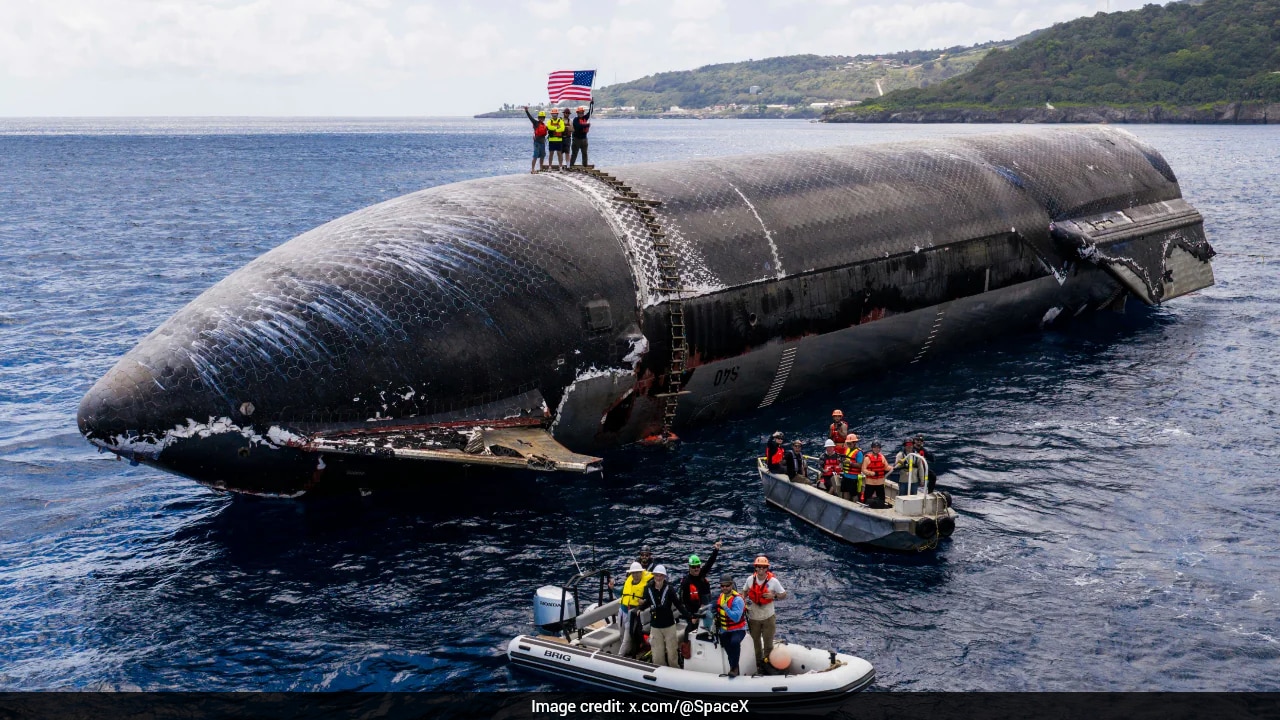
SpaceX recovers Starship from Indian Ocean and ships it back to Texas
SpaceX recovers its most recently launched Starship from the Indian Ocean about a month after launch, marking a major sa...

CBC reverses guidance on describing 9/11 as “terrorist attacks” after backlash
The Canadian Broadcasting Corporation (CBC) tells journalists not to describe the Sept. 11, 2001, attacks as “terrorist...