


As soil salinity increases in coastal regions and irrigated agricultural areas, crop roots face growing difficulty absorbing water and can suffer reduced yields. Multiple reports explain that salt accumulation in soils makes it harder for plants to take up water, creating stress that ultimately affects harvests. Scientists cited in the coverage estimate that about half of the world’s irrigated farmland is affected by salinity to some extent. The articles describe how plants respond through “root-level” survival tactics, drawing attention to mechanisms that help them cope with saltier conditions. These strategies focus on maintaining water access and protecting root function under saline stress, enabling plants to persist where salinity would otherwise limit growth. Together, the sources frame soil salinity as a widespread agricultural challenge and highlight root adaptations as a potential pathway for improving resilience. By better understanding these plant responses, researchers say it may become possible to develop approaches that help safeguard future food production in regions where salt buildup threatens crop performance.
Plants deploy root strategies to survive rising soil salinity
As soil salinity increases in coastal regions and irrigated agricultural areas, crop roots face growing difficulty absorbing water and can suffer reduced yields. Multiple reports explain that salt acc...
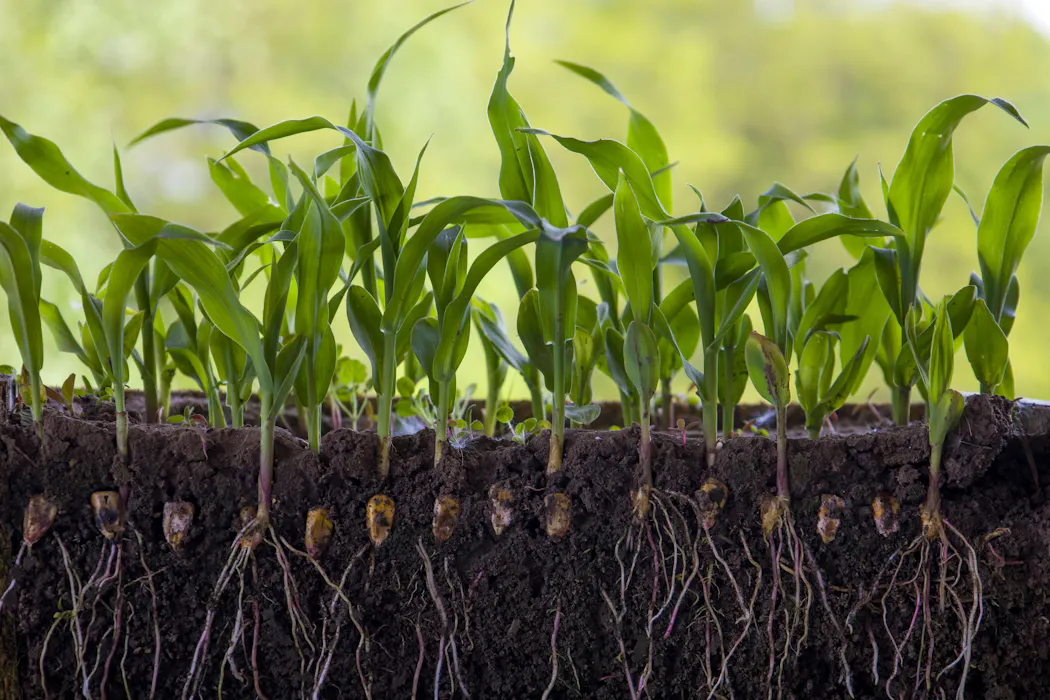
- Soil salinity is rising in coastal areas and irrigated farmland.
- Excess salt prevents plants from absorbing water effectively.
- Salt buildup reduces crop growth and harvest yields.
- About half of the world’s irrigated farmland is affected by salinity to some degree.
- Researchers describe root-based strategies that help plants survive saline soils.
To people, salt is a kitchen staple. But to crops, too much of it can be devastating. Across coastal regions and irrigated agricultural land, salt is accumulating in soils, making it harder for plants to absorb water and reducing harvests. Scientists estimate that around half of the world's irrigated farmland is now affected by salinity to some degree.
1 month agoAs soils become saltier, roots are deploying remarkable survival strategies that could help safeguard future food supplies.
1 month ago
BYD profit trends improve as exports lift results despite domestic challenges
BYD reports mixed financial results: first-half profit falls, while second-quarter earnings rise for the first time in f...

Packers’ Josh Jacobs charged with misdemeanor battery, criminal damage to property
Green Bay Packers running back Josh Jacobs is charged with two misdemeanors—battery and criminal damage to property—stem...

Seven-year-old girl and aunt die in house fire; two men arrested
A seven-year-old girl and her aunt die in a house fire on Wednesday, reports say. The incident occurs about a mile from...