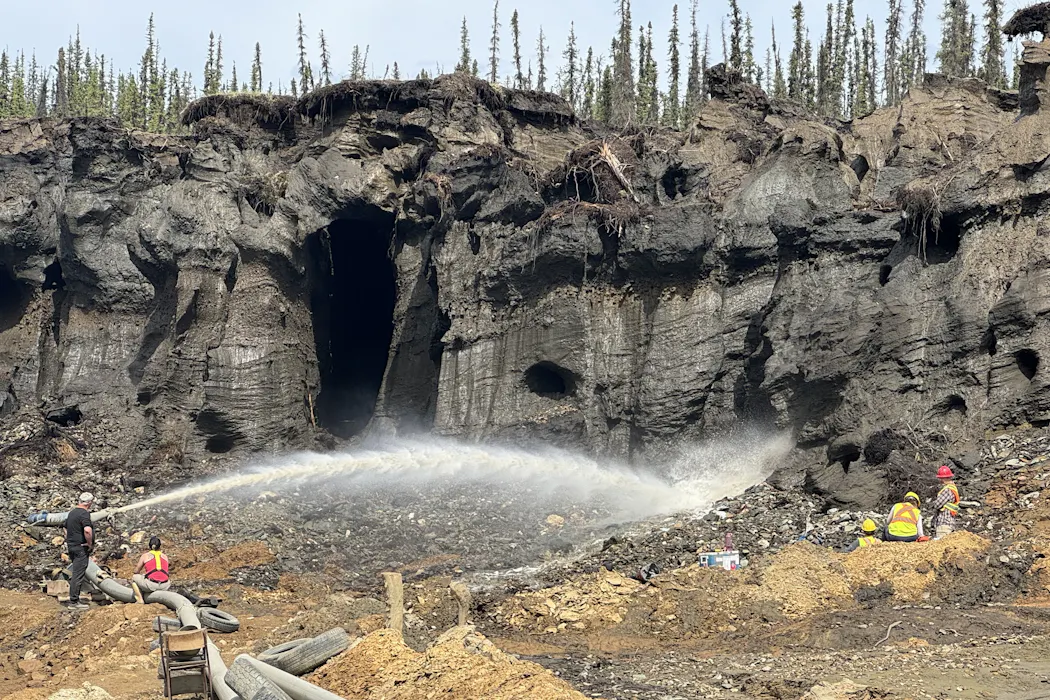
Arctic permafrost contains ice-rich soils that preserve ancient landscapes and biological material for thousands of years. Multiple outlets report that rising global temperatures are causing this “deep memory” to thaw, degrading the natural archive researchers rely on to understand past ecosystems. Scientists are studying ancient DNA retrieved from permafrost to reconstruct earlier environments and life, but the samples can deteriorate as temperatures increase.
Beyond its scientific value, thawing permafrost is also described as a practical and climate risk. Phys.org notes that it damages infrastructure such as roads and building foundations, alters water systems by draining lakes, and can destabilize vegetation and landscapes. Across the reports, a central concern is that thawing releases greenhouse gases that were stored in carbon-rich soils over long timescales. That release can contribute to further warming, which in turn accelerates additional thaw.
Researchers are working to analyze and preserve permafrost samples before the molecular and physical records degrade, as the rate of change increases.