


The articles are opinion-style pieces in which the authors describe reconsidering cosmetic use of Botox. Each writer begins with the idea that visible wrinkles can function as personal “road maps” to a life well lived. Over time, however, they say they stop recognising their own reflection, and the mismatch between how they feel and how they look leads them to consider treatment. The writers discuss an interest in achieving an “old-money” appearance—often associated with a natural, understated look—yet they frame the decision as supporting their sense of self rather than chasing a new identity. Although the pieces engage with cultural labels and debate around Botox, they focus primarily on personal experience: what the authors want their face to communicate, how aging affects self-recognition, and why they view Botox as a tool to regain comfort with their appearance. The articles ultimately present Botox as a choice shaped by individual self-perception and changing attitudes toward aging, rather than as a single universal solution.
Column explores personal views on Botox and changing perceptions of one’s face
The articles are opinion-style pieces in which the authors describe reconsidering cosmetic use of Botox. Each writer begins with the idea that visible wrinkles can function as personal “road maps” to...
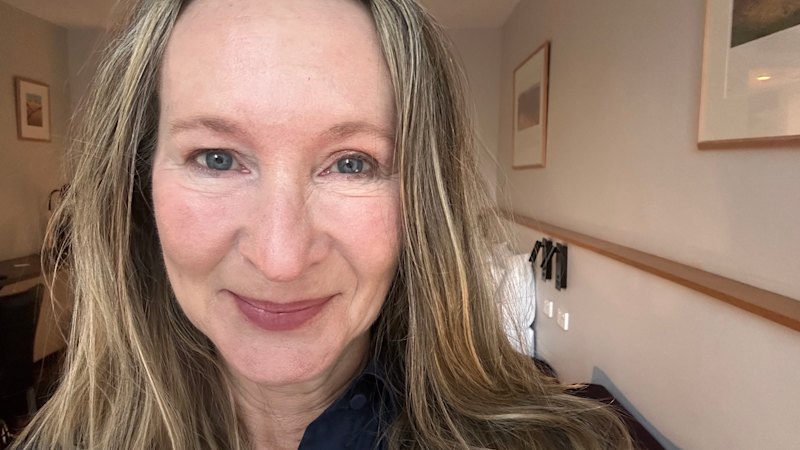
- The articles are opinion/essay pieces about the authors’ views on Botox.
- All writers start by valuing wrinkles as signs of a lived life.
- They say they later stop recognising their face in the mirror.
- Each discusses wanting an “old-money” look or natural appearance.
- They frame Botox as personal support for self-recognition rather than as a blanket endorsement.
I wanted to see my wrinkles as road maps to a life well lived, until I stopped recognising the face in the mirror.
1 month agoI wanted to see my wrinkles as road maps to a life well lived, until I stopped recognising the face in the mirror.
1 month agoI wanted to see my wrinkles as road maps to a life well lived, until I stopped recognising the face in the mirror.
1 month ago
Reform UK urges police to reopen investigation into attack on Nigel Farage aide
Reform UK calls for police to reopen a probe into an attack on George Cottrell, an adviser associated with Nigel Farage,...
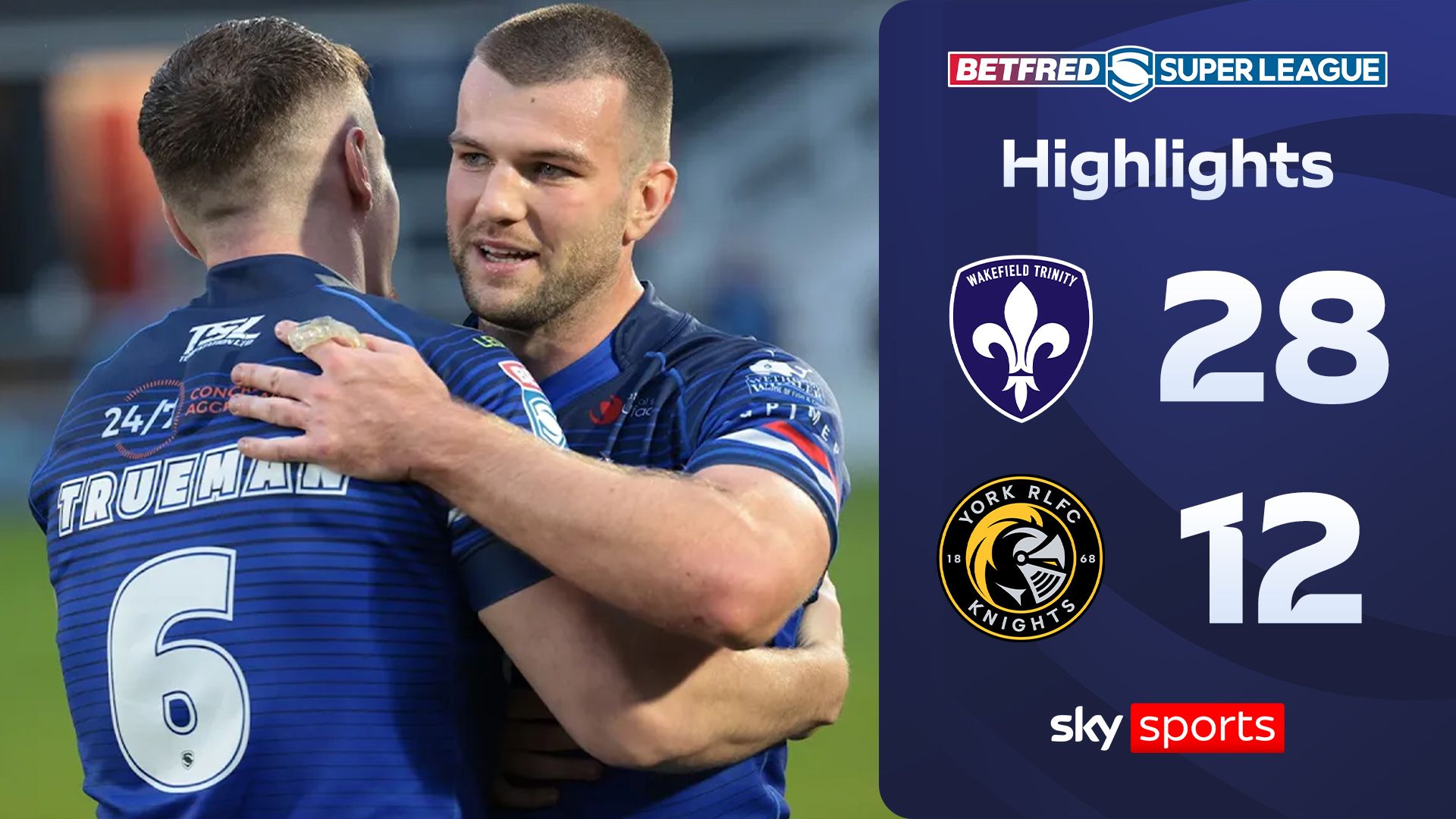
Wakefield beat York to secure Super League play-off spot
Wakefield Trinity secure their place in the Super League play-offs after beating the York Knights. The win comes as Wake...
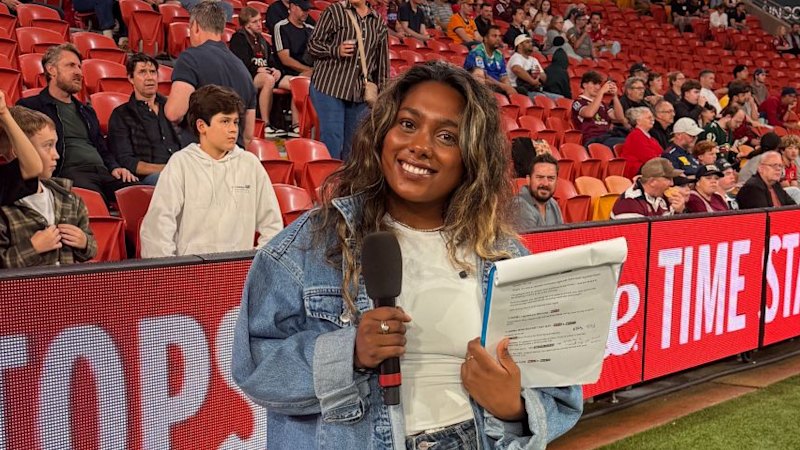
Neha Kumar uses social media to increase visibility of NRLW
NRLW player Neha Kumar, 26, says she is helping put the women’s league on the map by sharing her sporting life and exper...