


The government says E20 fuel—petrol blended with ethanol—cannot be priced lower than pure petrol, citing production and policy history. India’s ethanol programme started with a pilot project in 2001 and later moved to a formal policy in 2013. According to the Centre, ethanol blending remained around 1.5% before 2014, when ethanol production depended primarily on seasonal sugarcane crops. This seasonal supply constraint, the government argues, limits steady and large-scale output needed for lower costs. As the policy framework evolved, the Centre’s explanation focuses on why market pricing dynamics and ethanol availability affect the final price of blended fuel. Overall, the account presents E20 as a policy-led transition over time rather than an immediate cost-cutting measure, with earlier low blending levels linked to the nature of feedstock availability. The government’s position is that cost comparisons with pure petrol must consider how ethanol is produced and supplied, rather than assuming that blending itself automatically reduces pump prices.
Centre explains why E20 ethanol fuel cannot be cheaper than pure petrol
The government says E20 fuel—petrol blended with ethanol—cannot be priced lower than pure petrol, citing production and policy history. India’s ethanol programme started with a pilot project in 2001 a...
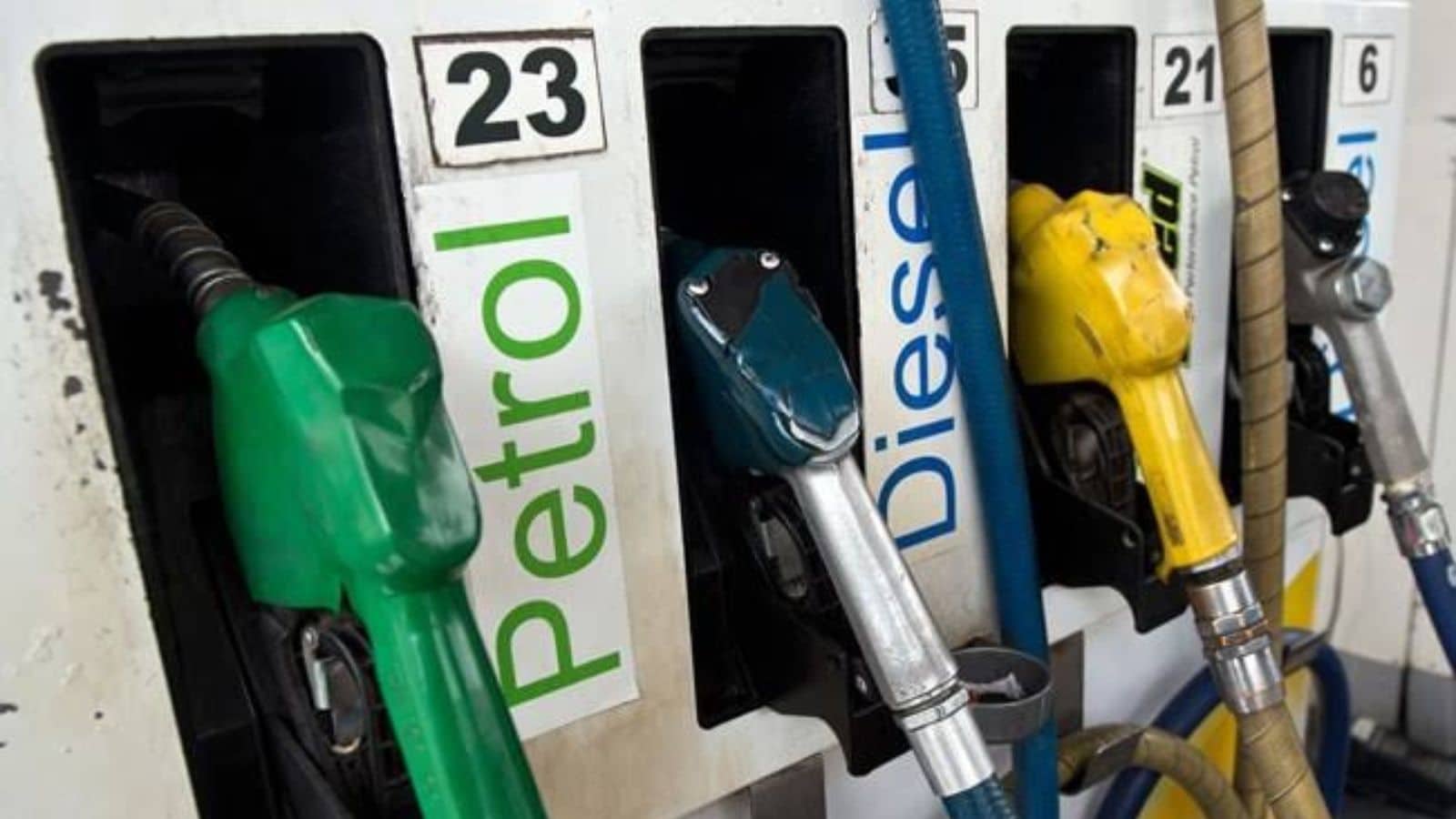
- India’s ethanol programme begins with a pilot in 2001 and a formal policy in 2013.
- E20 refers to petrol blended with ethanol.
- Ethanol blending stays around 1.5% before 2014.
- Before 2014, ethanol production relies largely on seasonal sugarcane crops.
- The Centre says E20 cannot be cheaper than pure petrol due to cost and supply considerations.
The country's ethanol march began with a pilot project in 2001 and a formal policy in 2013. However, blending hovered at a mere 1.5 per cent before 2014 as production relied solely on seasonal sugarcane crops
1 month agoThe country's ethanol march began with a pilot project in 2001 and a formal policy in 2013. However, blending hovered at a mere 1.5 per cent before 2014 as production relied solely on seasonal sugarcane crops
1 month ago
Modi to visit Uzbekistan and Kyrgyzstan, meeting Putin on SCO summit sidelines
Prime Minister Narendra Modi is on a four-day visit to Uzbekistan and the Kyrgyz Republic from August 29 to September 1,...

Congress leader Chenthi Anil arrested for allegedly blocking Kerala CM Satheesan’s convoy
Congress leader Chenthi Anil is arrested after police allege he obstructs Kerala Chief Minister V.D. Satheesan’s convoy....

Gunfire and blasts reported in Niamey, including near Niger’s airport and presidential palace
Gunfire and explosions are reported in Niamey, Niger’s capital, with witnesses and local media describing sounds from se...