


Researchers use artificial intelligence to identify subtle “slow slip” activity beneath California’s San Andreas Fault that earlier methods did not detect. Slow-slip events are low-velocity movements on fault planes that can release built-up tectonic stress over hours, days, or longer, without producing the clear, rapid shaking associated with conventional earthquakes. According to the reporting, the AI analysis finds additional signals consistent with these silent fault adjustments. The studies also describe changes in low-frequency earthquake activity following the slow-slip episodes, suggesting a connection between the silent movements and later seismic behavior. While the outlets discuss the potential for improving understanding and possibly earthquake forecasting, they present the work primarily as a detection and interpretation effort: it highlights previously missed fault behavior and examines how that behavior relates to subsequent seismic measurements. The findings therefore focus on what the AI detects and how the detected events correlate with other observed seismic signals, rather than claiming a direct, immediate ability to predict the timing or magnitude of a future major earthquake.
AI maps hidden slow-slip movements beneath California’s San Andreas Fault
Researchers use artificial intelligence to identify subtle “slow slip” activity beneath California’s San Andreas Fault that earlier methods did not detect. Slow-slip events are low-velocity movements...
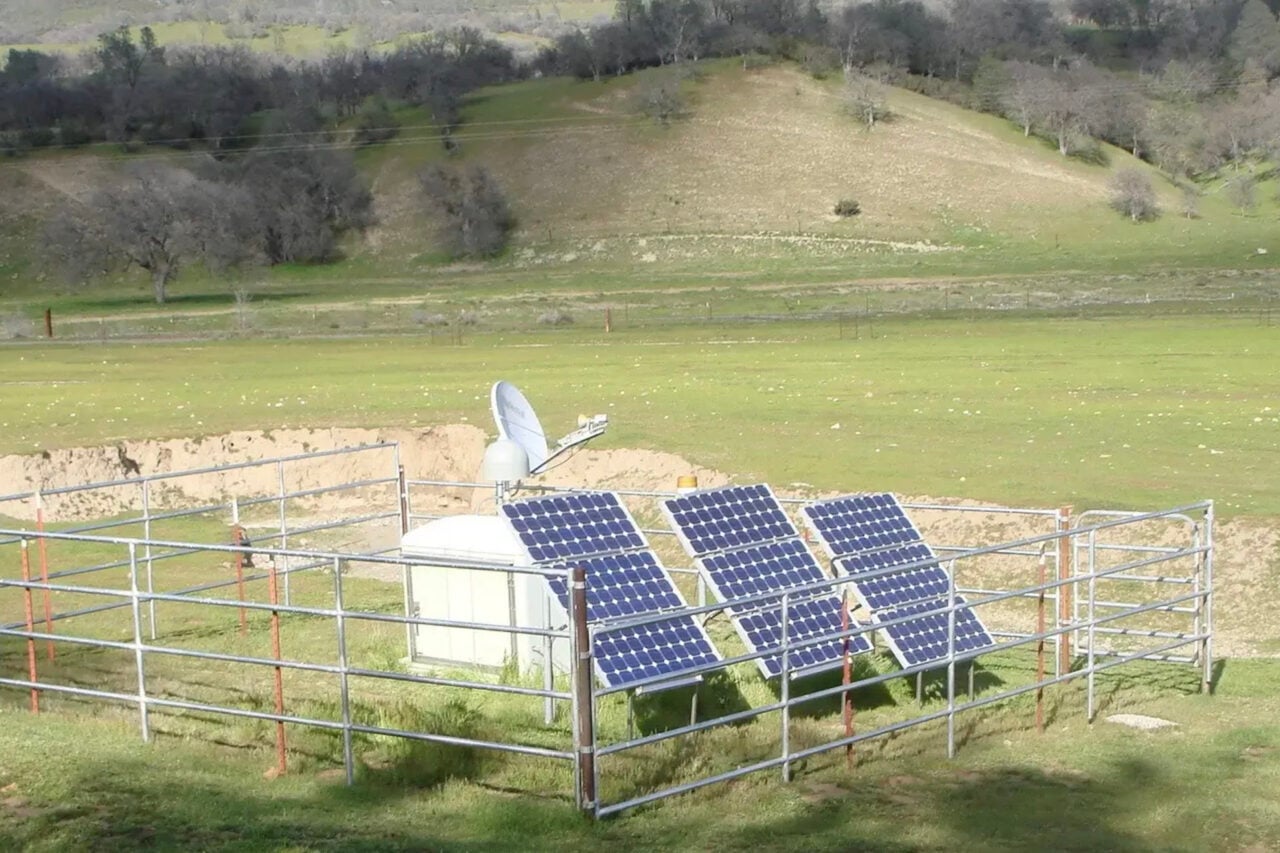
- AI detects subtle slow-slip movements beneath the San Andreas Fault that earlier detection methods missed.
- Slow-slip events involve fault movement that releases stress over hours or days without strong shaking.
- The detected signals relate to low-frequency seismic activity.
- Low-frequency earthquake activity increases after the slow-slip episodes, suggesting a correlation.
Scientists used to think so-called “slow slip events” were “theoretically impossible.” Now these subtle tectonic shifts could be the key to predicting future earthquakes.
1 month agoScientists used artificial intelligence to find hidden slow fault movements. These silent events occur beneath California's San Andreas Fault. Such movements release stress over hours or days, escaping traditional detection. Low-frequency earthquake activity increased after these slow slip events occurred. This suggests silent fault movements influence future seismic activity significantly.
1 month ago
Australian scientists develop cyborg cockroaches to deliver medical aid in disaster rescues
Australian researchers are developing cyborg cockroaches intended for medical and search-and-rescue missions in disaster...

Squadron 42 delayed to 2027 as Cloud Imperium cites competition from GTA 6
Cloud Imperium Games delays Squadron 42, its long-in-development single-player Star Citizen spinoff, to Q2 2027. Both ou...
Gene Menez shares 2026 Travers Stakes picks, odds and post-position details
Gene Menez publishes his best bets for the 2026 Travers Stakes, ahead of the race scheduled for Saturday. The coverage h...