


Multiple reports focus on the impact of uncertainty surrounding Iran’s next supreme leader. They describe how the absence of a newly confirmed supreme leader creates political and administrative difficulties for the Islamic Republic, particularly in a period where key decisions must be managed through established institutions. The coverage highlights that leadership transitions in Iran carry significant influence over governance, policy direction, and internal power dynamics. It also points to potential delays or complications in coordinating across Iranian political and security structures when the top religious-political authority role is not fully settled. The articles note that this uncertainty affects both domestic management and the broader strategic outlook, as Iran’s leadership framework relies on the supreme leader for ultimate guidance. While the reporting differs in emphasis, the overall message across sources is that the current gap in clarity over the succession process becomes a liability by slowing decision-making and increasing uncertainty among stakeholders inside Iran. The reporting does not provide a definitive timeline for resolving the leadership question, instead underscoring the ongoing lack of clarity and its consequences.
Iran faces challenges as uncertainty persists over the next supreme leader
Multiple reports focus on the impact of uncertainty surrounding Iran’s next supreme leader. They describe how the absence of a newly confirmed supreme leader creates political and administrative diffi...
2 sources
1 month ago
9 views

Key Points
- Iran’s next supreme leader has not been confirmed, creating uncertainty.
- Sources describe potential governance and decision-making difficulties during the leadership gap.
- The transition affects internal coordination among Iran’s major political and security institutions.
- The lack of clarity is presented as increasing political and strategic uncertainty.
- None of the reports provide a definitive resolution date for the succession process.
How Outlets Covered This Story
INV
Investing.com
How the absence of Iran’s new supreme leader is becoming a liability for the Islamic Republic
1 month ago
YAH
Yahoo News - Latest News & Headlines
How the absence of Iran's new supreme leader is becoming a liability for the Islamic Republic
1 month ago
Related Stories
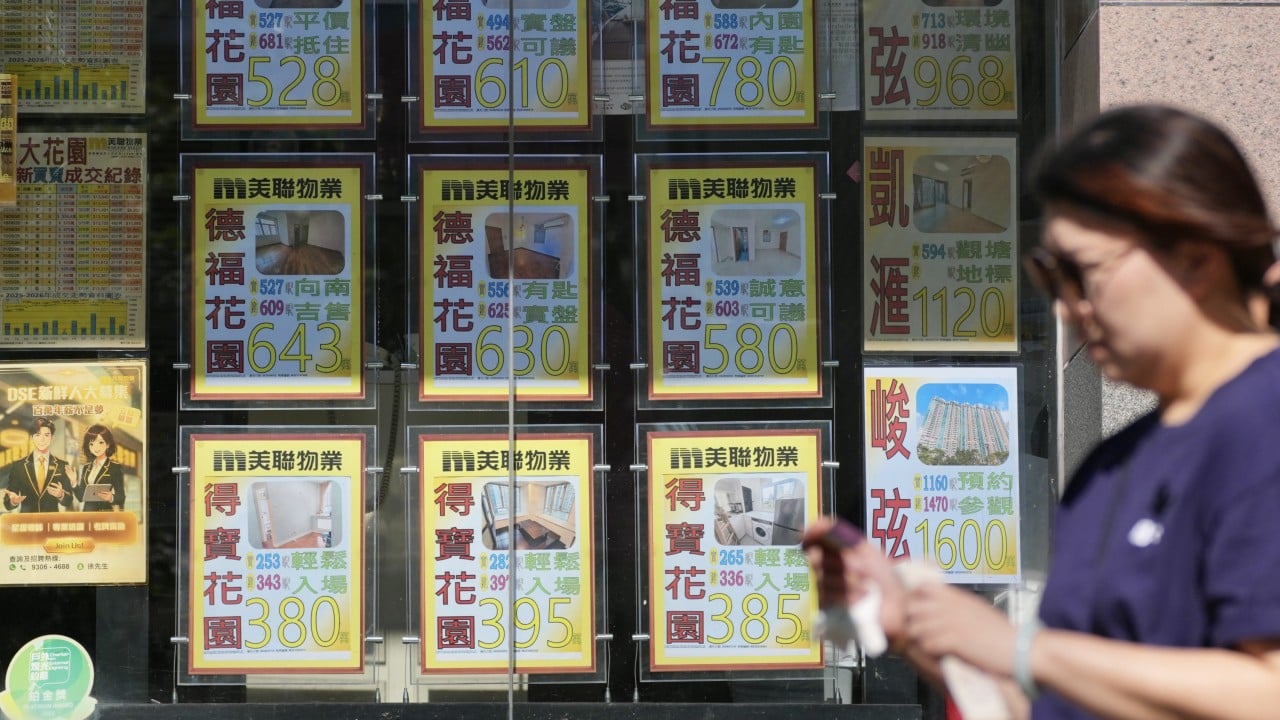
Hong Kong home prices drop in July, ending 13-month rise amid mainland demand concerns
Hong Kong residential home prices fall in July, ending a 13-month streak of increases. Official data from the Rating and...
3 sources
20 hours ago
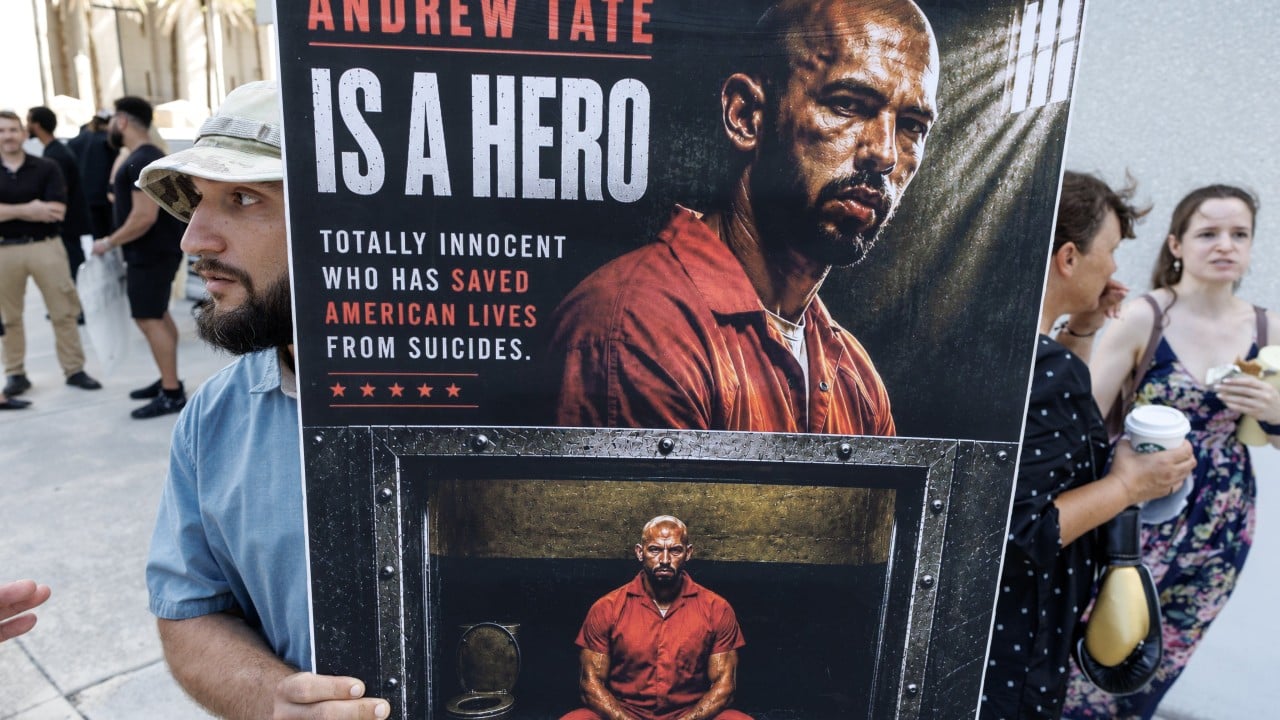
Tate brothers seek release on bond while fighting U.K. extradition in Miami court
Andrew and Tristan Tate, accused of rape and sex trafficking in the United Kingdom, appear in a Miami federal courtroom...
10 sources
19 hours ago

Twins promote top prospect Walker Jenkins as Byron Buxton’s status remains uncertain
The Minnesota Twins call up center fielder Walker Jenkins for an upcoming weekend series against the Chicago White Sox....
3 sources
2 hours ago