


Several outlets describe Lake Titicaca as more than a major natural landmark: it supports ongoing rural livelihoods and reflects long-standing cultural traditions along its shores. The coverage emphasizes the lake’s geographical prominence in South America, highlighting that it is among the region’s largest and highest bodies of water. Beyond the scenery, the reports focus on communities living around the perimeter, where daily life remains closely tied to the lake’s environment. The articles also point to enduring indigenous heritage, noting that ancient traditions continue to shape local practices in villages and settlements near the water. While the specific details vary by outlet, the common thread is that the lake functions as both an ecological feature and a cultural landscape, with residents maintaining established ways of living around fishing and local economic activity. Overall, the reporting frames Lake Titicaca as a living region where high-altitude geography and heritage coexist, rather than only as a tourist attraction or a scenic site.
Around Lake Titicaca, high-altitude life and ancient traditions endure
Several outlets describe Lake Titicaca as more than a major natural landmark: it supports ongoing rural livelihoods and reflects long-standing cultural traditions along its shores. The coverage emphas...
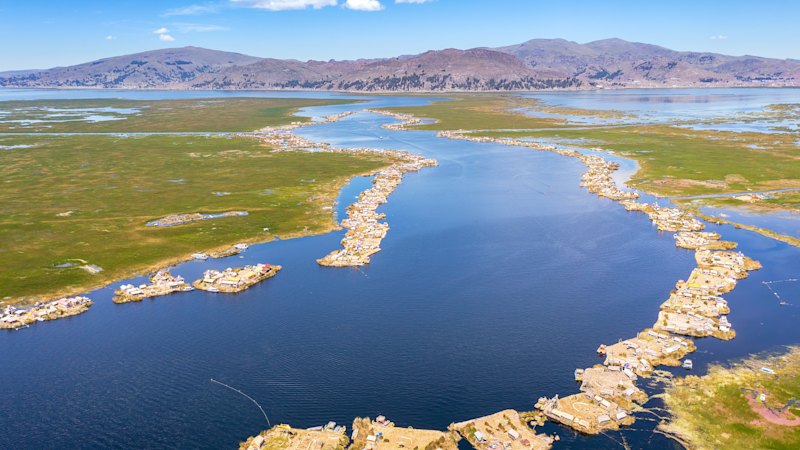
- Lake Titicaca is described as the world’s highest lake and a major South American natural landmark.
- The lake’s shores are home to rural communities whose lives are connected to the lake.
- Indigenous heritage and long-standing traditions continue to be practiced around the perimeter.
- The coverage presents Lake Titicaca as both a cultural and environmental landscape, not only scenery.
Rural life and ancient traditions flourish around the perimeter of South America’s largest and highest water spectacle.
1 month agoRural life and ancient traditions flourish around the perimeter of South America’s largest and highest water spectacle.
1 month agoRural life and ancient traditions flourish around the perimeter of South America’s largest and highest water spectacle.
1 month ago
Sunderland and Bournemouth drawn against AC Milan in Europa League
Sunderland and Bournemouth are drawn to face AC Milan in the Europa League. BBC News reports that Sunderland’s upcoming...

Lindsay Clancy murder trial nears closing arguments after defense rests and rebuttal testimony
Lindsay Clancy’s murder trial in Massachusetts continues as the case moves toward closing arguments and jury deliberatio...

Delhi couple arrested in alleged Pakistan-linked espionage network case
Delhi Police arrest a 25-year-old man and 21-year-old woman in connection with an alleged Pakistan-linked espionage netw...