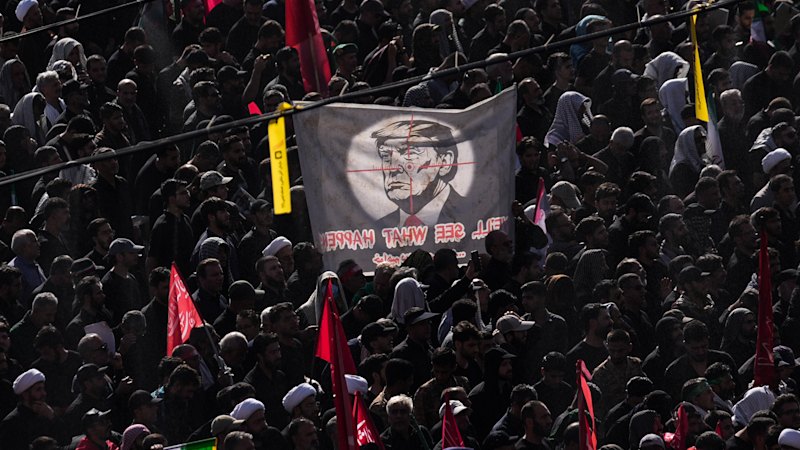
Multiple Australian outlets report that the US and Israel expect the killing of Iran’s senior leader Ayatollah Ali Khamenei would trigger a popular, pro-democracy uprising. They say that expectation does not materialise. Instead, the outlets contend the event reinforces the Islamic Republic’s messaging and strengthens regime cohesion.
The articles argue that rather than creating political destabilisation, the death contributes to a “generational change” within Iran’s leadership. They describe the succession dynamics as shifting toward a new cadre capable of consolidating authority and absorbing the shock of the assassination.
Across the reports, the central point is that the intended outcome—encouraging democratic protest or a mass political movement—does not occur. The outlets also portray the killing as providing the Iranian government with additional opportunity to frame the incident as part of an external assault, rallying support around the state.
While the articles use critical language toward the assumed strategy of the US and Israel, they converge on the same factual thrust: the death of Khamenei does not produce the uprising those governments were believed to anticipate.