
In Zimbabwe’s Chipinge area, farmers are reviving drought-resistant traditional crops through community seed banks supported by the UN Food and Agriculture Organization (FAO), according to reports. The initiative focuses on using and preserving indigenous seed varieties and local knowledge to respond to increasing climate variability, including more frequent and unpredictable droughts and floods. By storing and sharing seeds at the community level, farmers aim to maintain access to crop varieties that are better adapted to local conditions. The seed banks also help communities rebuild and sustain cultivation of indigenous crops rather than relying solely on other farming inputs or less adapted varieties. Sources describe the programme as strengthening food security by improving the reliability of planting material across seasons, and as providing a form of resilience or safety net against future climate shocks. While the reports emphasize Chipinge and the Mutare region context, both accounts present the same core effort: FAO-backed seed banking that supports indigenous crop revival and supports farmers’ ability to cope with a changing climate.
Zimbabwe farmers revive indigenous, drought-resistant crops through community seed banks
In Zimbabwe’s Chipinge area, farmers are reviving drought-resistant traditional crops through community seed banks supported by the UN Food and Agriculture Organization (FAO), according to reports. Th...

- Farmers in Zimbabwe’s Chipinge region revive traditional, drought-resistant indigenous crops.
- The effort uses FAO-backed community seed banks to store and share seeds.
- The programme draws on indigenous knowledge to select and sustain locally adapted varieties.
- Farmers say it helps them cope with worsening and unpredictable climate variability, including droughts and floods.
- The initiative is described as strengthening food security by improving access to planting material.
[RFI] Mutare, Zimbabwe - Zimbabwean farmers in Chipinge are reviving drought-resistant traditional crops through an FAO-backed community seed bank, helping them cope with worsening climate variability. The initiative, rooted in indigenous knowledge, is strengthening food security and offering a safety net against future droughts and floods.
3 hours agoZimbabwean farmers in Chipinge are reviving drought-resistant traditional crops through an FAO-backed community seed bank, helping them cope with worsening climate variability. The initiative, rooted in indigenous knowledge, is strengthening food security and offering a safety net against future droughts and floods.
18 hours ago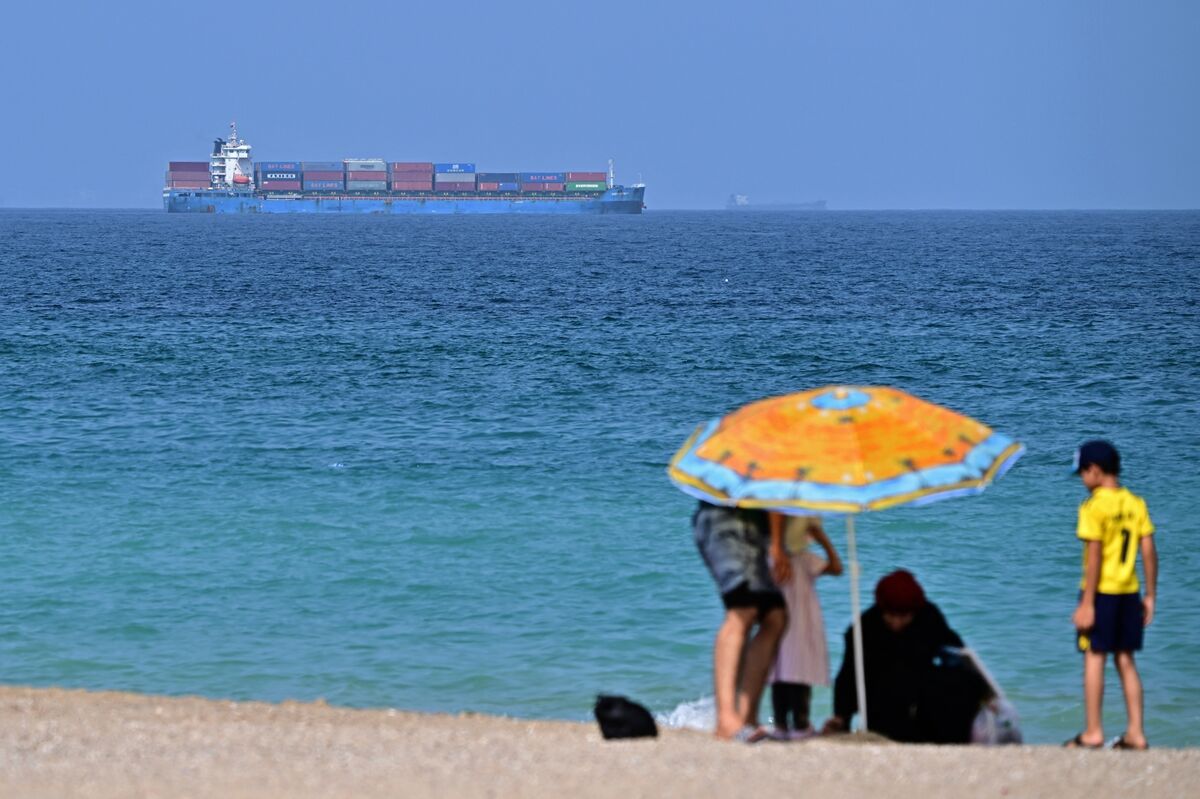
Shipping traffic through Strait of Hormuz fluctuates after Iran-related weekend attacks
Commercial ship traffic through the Strait of Hormuz fluctuates sharply as regional tensions rise following attacks over...

Madugu names 25-player Super Falcons squad for WAFCON 2026 title defence
Nigeria’s Super Falcons head coach Justine Madugu names a 25-player squad for the 2026 Women’s Africa Cup of Nations in...

Unemployed people face limited annual pension contributions, says columnist
Multiple reports reference a commentary by Steve Webb discussing pension saving limits for people who are unemployed. We...