
A new research effort highlights potential risks from rising human-made carbon dioxide (CO₂) levels for pollinators that support ecosystems and agriculture. The studies discussed across outlets emphasize that pollinators—including bees, flies, wasps, moths, butterflies, and some nectar-feeding birds—help plants reproduce and underpin food crop production. The research specifically suggests that larger pollinators may be more vulnerable than smaller ones as CO₂ increases, indicating a possible uneven impact across species. While the sources differ in how they describe the broader pollinator group, they converge on the same core concern: elevated CO₂ poses a threat to pollinator survival. The reports do not provide a specific geographic or species-by-species outcome in the material provided, but they frame the issue as an ecological and food-security challenge, given the role pollinators play in maintaining biodiversity and enabling plant reproduction. Overall, the coverage points to the need to understand how CO₂-driven environmental change could affect different pollinator sizes and categories, with implications for the health of natural ecosystems and agricultural systems.
Research finds rising CO₂ could disproportionately threaten larger pollinators
A new research effort highlights potential risks from rising human-made carbon dioxide (CO₂) levels for pollinators that support ecosystems and agriculture. The studies discussed across outlets emphas...
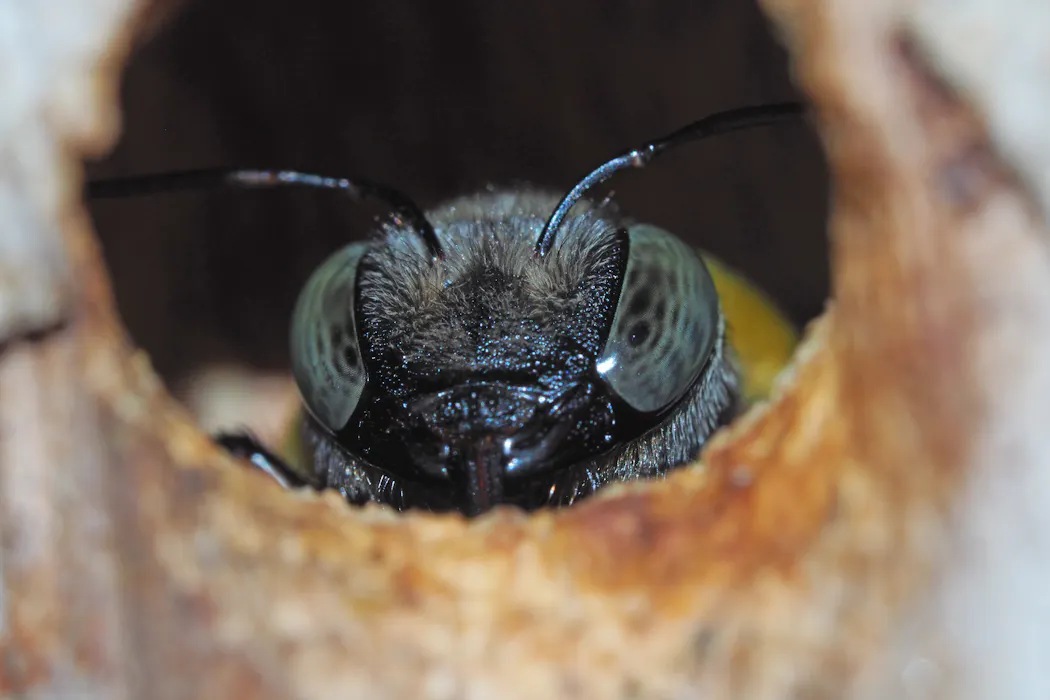
- Pollinators are important for plant reproduction and ecosystem health.
- Rising human-made CO₂ levels threaten pollinators’ survival.
- The risk may be greater for larger pollinators than smaller ones.
- The affected group includes multiple insects and some nectar-feeding birds.
- The findings have implications for biodiversity and food crop production.
Pollinators—including bees, flies, wasps, moths, butterflies and some nectar-loving birds—are a cornerstone of our natural environment. By helping plants reproduce, they keep our ecosystems healthy and ensure we can grow vital food crops.
7 hours agoHuman-made carbon dioxide emissions threaten the very survival of our larger pollinators.
1 day ago
US launches new strikes on Iran after Strait of Hormuz attacks; oil waiver revoked
The United States launches new military strikes against Iran early Wednesday, citing retaliatory action after Iranian at...

Rajoy condemned over remarks questioning French World Cup team’s “French” players
Former Spanish prime minister Mariano Rajoy sparks an international backlash after writing that the France men’s footbal...

Report says male detainees at immigration centre look into women’s bedrooms
A report by the Chief Inspector of Prisons finds that male detainees at an immigration detention centre are sometimes ab...