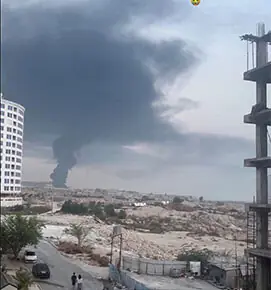
The US and Iran exchange ongoing warnings and attacks as regional tensions rise. Multiple Middle East Eye updates say the US carries out strikes in Iran and disables or redirects maritime vessels, while Iran threatens further retaliation and warns it will conduct “pre-emptive” or full-scale offensive operations if US bombing continues. Iran also launches missile and drone attacks on US military facilities in Bahrain, Jordan and Kuwait, and IRGC statements warn countries hosting US forces to prepare civil defence measures.
Alongside the military activity, diplomacy and regional positioning continue. Middle East Eye reports that Iranian and Qatari officials meet in Tehran to discuss de-escalation and resuming diplomacy, and that Iran and Omani officials discuss managing the Strait of Hormuz, with Tehran preparing conditions and a list of potential mediators. Trump statements link any pause in strikes to fast progress on a nuclear deal and continued concern over Hormuz, while Iran’s foreign ministry and other officials describe US sanctions and threats as tantamount to war and vow to defend rights and security by “all means.”
Other outlets’ updates in the same coverage also describe parallel conflicts across the region: Israeli strikes and raids in Gaza, Lebanon, Syria and the West Bank, as well as continued Red Sea disruption tied to Houthi attacks and regional military cooperation deals.