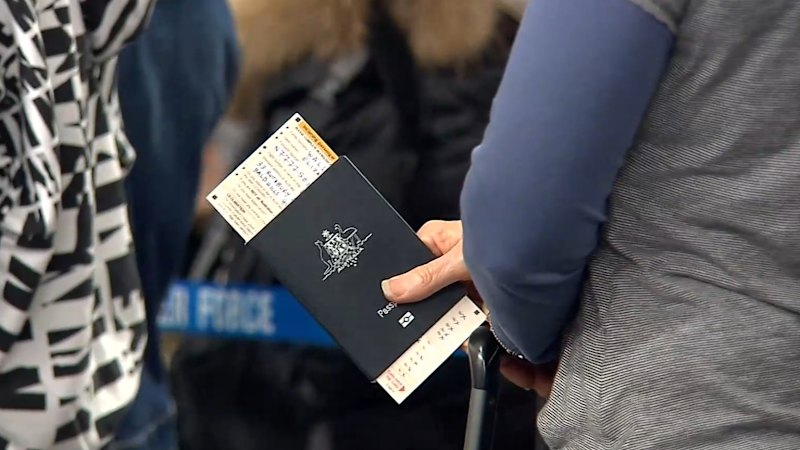
Australia is replacing the incoming paper passenger card with a digital system, according to multiple reports. The change is intended to update how border agencies collect and handle passenger information when people arrive in the country. While the government’s approach shifts reporting from cards to a digital process, the move is also prompting a public debate about data security and privacy.
Across the outlets, the central concern is whether border agencies are sufficiently prepared to store and manage sensitive personal data in a digital format. Critics question the capability, safeguards, and readiness of the relevant authorities to handle large volumes of information, including how data is stored, protected, and managed over time. The reports describe the transition as part of a broader shift in border administration and highlight that the implementation details—such as infrastructure and data protections—are at the heart of the dispute.
Overall, the sources agree on the policy direction toward digitisation and on the existence of a controversy about the capacity and safeguards involved in storing private information.