
A federal judge rules that President Donald Trump’s lawsuit against the Internal Revenue Service was legally improper, and bars Trump and the government from relying on a related settlement in later proceedings. Bloomberg and the Financial Times report that the judge finds the case lacks a “basis in law” and characterizes Trump’s filing as “bad faith,” preventing the parties from citing the settlement in future regulatory or judicial matters. The Financial Times similarly says the suit had no basis in law or fact, and notes the decision undermines the ability of Trump and his family to benefit from the arrangement. The National Post adds that the ruling raises questions about whether the president and his family can use the settlement’s claimed immunity from tax audits or other inquiries tied to past tax filings. While the outlets describe the judge’s reasoning in similar terms, they focus on different implications: Bloomberg emphasizes the prohibition on citing the settlement in future actions, while other coverage highlights the potential effect on the scope of any promised tax-related protections. The decision is presented as a rejection of the deal’s legal foundation.
Federal judge rejects Trump’s IRS immunity settlement in ruling citing no basis in law
A federal judge rules that President Donald Trump’s lawsuit against the Internal Revenue Service was legally improper, and bars Trump and the government from relying on a related settlement in later p...

- A federal judge rules Trump’s IRS lawsuit lacks a “basis in law” and was legally improper.
- The judge cites “bad faith” in connection with the way the lawsuit was brought.
- The ruling bars Trump and the government from citing the settlement in future regulatory or judicial proceedings.
- The decision is reported to cast doubt on whether Trump and his family can benefit from an IRS immunity settlement tied to past filings.
- Multiple outlets describe the outcome as nullifying or voiding the settlement linked to the IRS case.
The ruling calls into question whether Trump and his family will be able to benefit from the settlement, which would immunize them from tax audits or other probes related to past filings
3 hours agoRuling casts doubt on whether president and his family can benefit from immunity deal
6 hours agoJudge says Donald Trump’s IRS lawsuit had no ‘basis in law or fact’ Financial TimesUS judge voids Donald Trump's $1.8bn settlement with IRS that gave him immunity from tax audits BBCUS judge nullifies Trump deal to resolve IRS lawsuit in scathing ruling The GuardianJudge: Trump sought to ‘manipulate the judicial process’ with his IRS lawsuit and attempted $1.8B fund CNNJudge Denounces Trump’s I.R.S. Suit as Improper Exercise in Self-Dealing The New York Times
6 hours agoA federal judge ruled that President Donald Trump’s “bad faith” lawsuit against the Internal Revenue Service was legally improper and barred Trump or the government from citing a controversial settlement of the case in any future regulatory or judicial proceedings.
9 hours ago
Ukraine and Russia trade vows of escalation amid drone and missile strikes across multiple regions
Fighting continues across Ukraine and Russia as both sides signal further escalation following major attacks. Ukrainian...
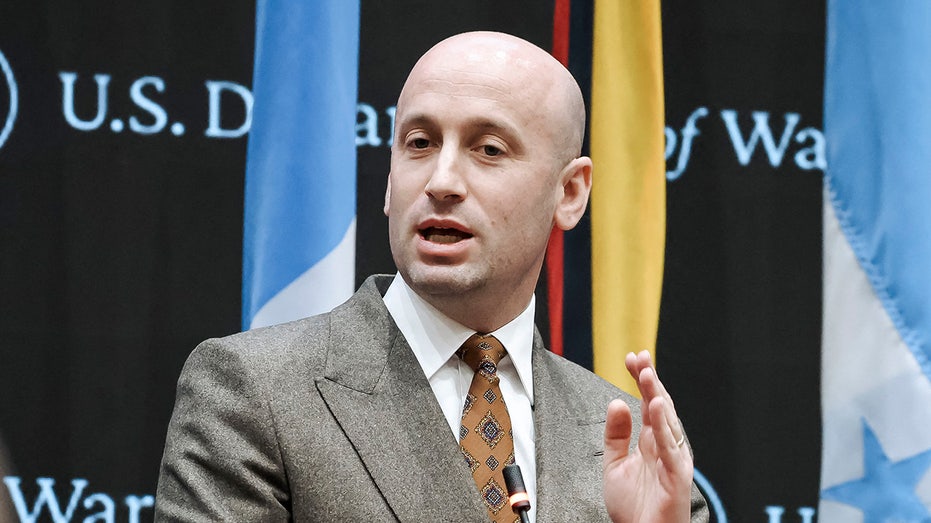
Stephen Miller pays tribute to Lindsey Graham in White House remarks
Stephen Miller, a senior Trump administration official, delivers a personal tribute to former U.S. Senator Lindsey Graha...

Poll puts One Nation ahead of Labor and Coalition in Victoria
Multiple outlets report that a recent opinion poll in Victoria shows One Nation ahead of both Labor and the Coalition fo...