
Japan develops a recycling approach aimed at recovering a large share of lithium from spent electric-vehicle batteries. Multiple reports describe the method as achieving lithium recovery of up to about 90%, which—if scaled—could reduce the need for new lithium mining and help address supply-chain constraints tied to raw-material production. The reports frame the work as potentially important for the broader electric-vehicle industry because recycling can supply material back into battery production and lessen dependence on overseas sources of lithium. They also note that better recovery rates could lower the environmental footprint associated with extracting and refining new lithium, though specific emissions or lifecycle estimates are not detailed in the provided excerpts. The outlets presented the development as a technical advance in battery recycling, positioning it as a step toward more circular sourcing of battery materials. The available information focuses on the claimed recovery rate and the potential implications, without providing extensive details in the excerpts about the process chemistry, commercial timeline, or performance across different battery chemistries.
Japan develops method to recover up to 90% of lithium from used EV batteries
Japan develops a recycling approach aimed at recovering a large share of lithium from spent electric-vehicle batteries. Multiple reports describe the method as achieving lithium recovery of up to abou...
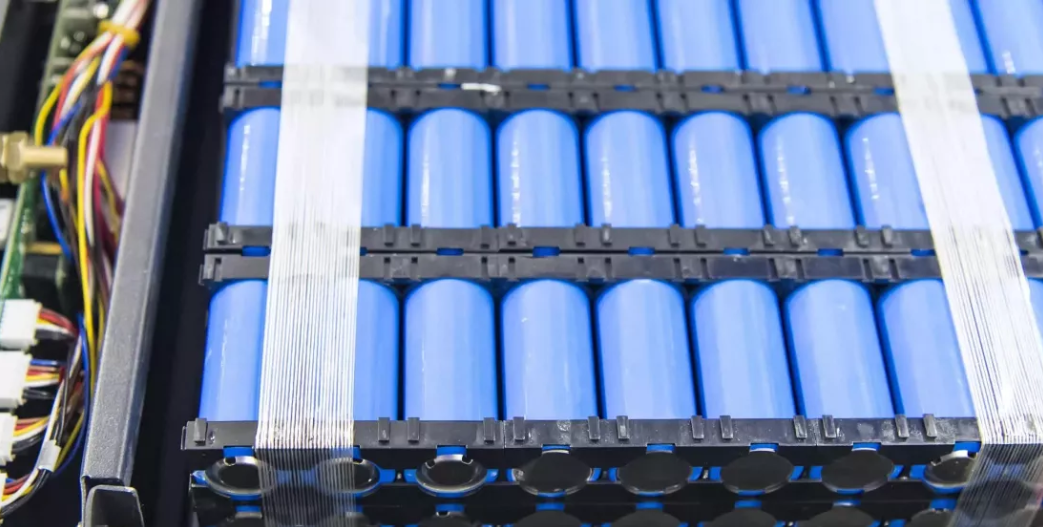
- Japan is developing a battery-recycling method aimed at spent EV batteries.
- The approach is reported to recover up to about 90% of lithium.
- The development is presented as potentially reducing reliance on new lithium mining.
- The reported work is positioned as affecting the EV battery supply chain by enabling recycled materials.
- The provided reports emphasize the recovery rate but do not include detailed process or scaling timelines in the excerpts.
Subtitle: A breakthrough in battery recycling could reduce mining, cut carbon emissions, and reshape the global EV supply chain.Continue reading on Medium »
3 hours agoComments
19 hours ago
US reimposes blockade after Iran attacks on ships in the Strait of Hormuz
The United States reimposes a blockade against Iran in response to attacks on ships in the Strait of Hormuz. According t...

Porsche Classic Cars From the 1990s-2010s Offered for Sale on Bring a Trailer
Several Porsche classic and enthusiast models are listed for sale online, including multiple air-cooled-era 911s and new...
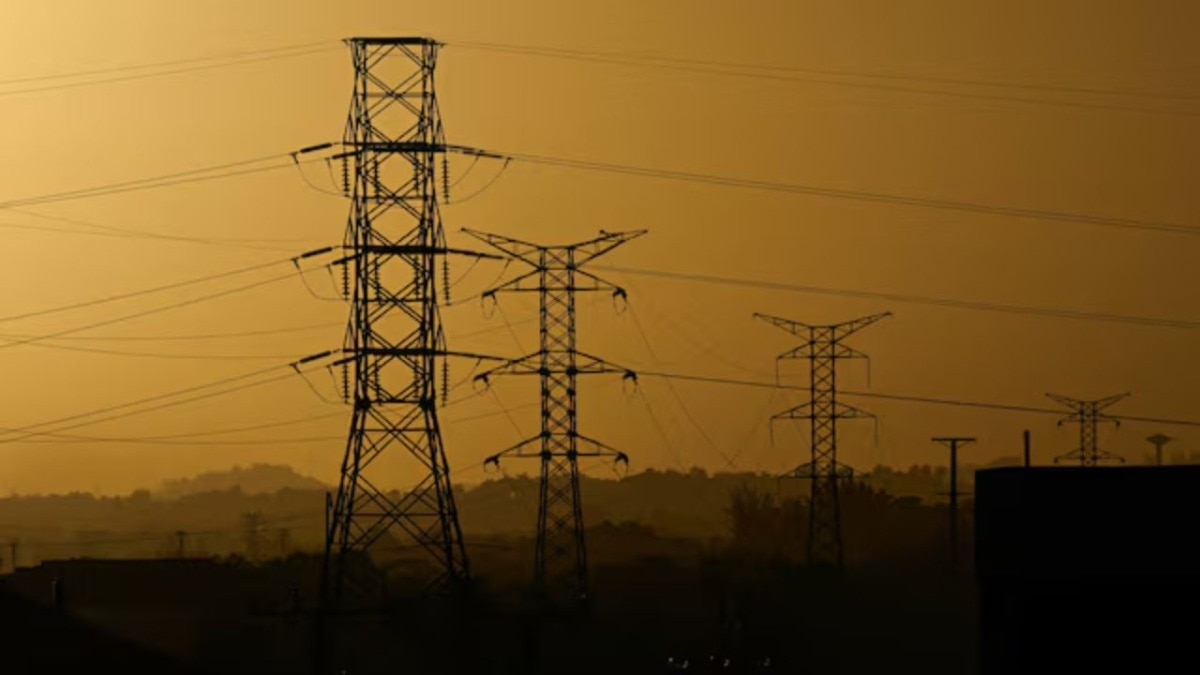
Cuba’s national power grid collapses again, leaving millions without electricity
Cuba’s national electricity grid collapses again, causing a nationwide blackout that leaves millions of people without p...