
Multiple outlets describe how coastal ocean tides can move upstream along rivers, forming “tidal rivers” that can extend hundreds of kilometers inland. In these stretches, river water and the incoming tidal oscillations interact in complex ways. When a river is already experiencing high discharge or flooding, the tidal influence can further raise water levels rather than simply displacing or draining flow. This added effect can increase the river’s overall peak height, making flooding more severe than it would be without tidal forcing. Phys.org highlights that tides push upstream and that this interaction can amplify peak water levels during flood events. Eos (AGU Earth Science) adds that specific tide–river mechanisms, including tidal subharmonics, can contribute to higher water levels in tidal rivers. Together, the sources emphasize that flood risk in tidal rivers depends not only on upstream rainfall and river discharge, but also on timing and characteristics of ocean tides, which can produce additional amplification of water levels during flooding.
Tides and river flow interact in tidal rivers, sometimes amplifying flood peaks
Multiple outlets describe how coastal ocean tides can move upstream along rivers, forming “tidal rivers” that can extend hundreds of kilometers inland. In these stretches, river water and the incoming...
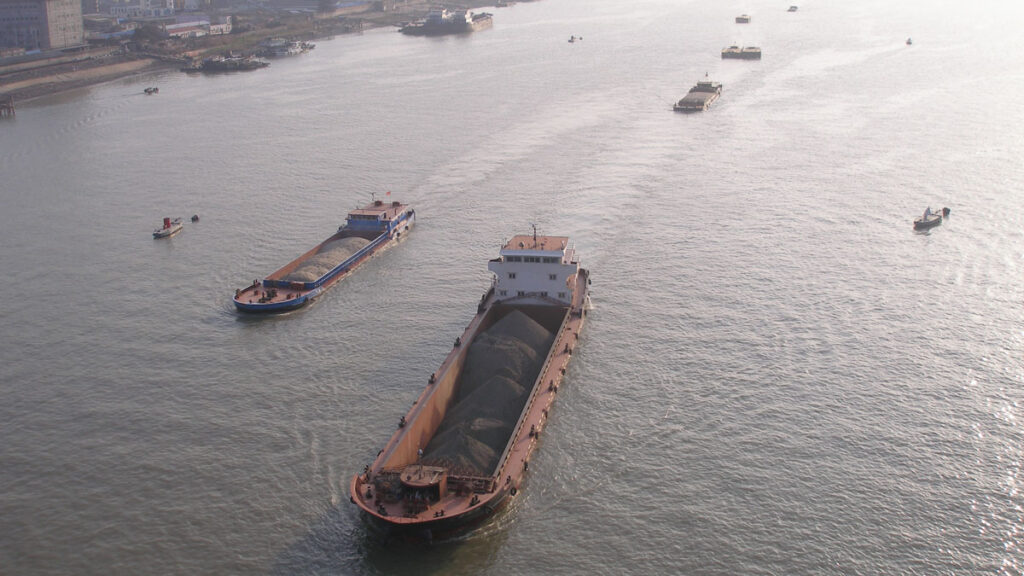
- Ocean tides push upstream along some coastal rivers, creating tidal rivers that can extend hundreds of kilometers inland.
- During flood events, tidal oscillations can increase overall river water levels.
- The interaction between river current and tidal dynamics is complex in tidal rivers.
- Tidal forcing can raise peak water levels, amplifying flooding.
- Tidal subharmonics are one mechanism reported to help increase water levels in tidal rivers.
Ocean tides push upstream along coastal rivers, in some cases reaching hundreds of kilometers (hundreds of miles) inland. These inland stretches are known as tidal rivers, and they're the scene of complex interactions between the river current and tidal oscillations. When rivers flood, tidal dynamics can sometimes add to a river's height, increasing overall peak water levels and amplifying flooding.
4 hours agoTidal subharmonics help push water levels higher in tidal rivers.
13 hours ago
Phivolcs reports aftershocks in Davao Occidental and a separate quake in Occidental Mindoro
Philippine Institute of Volcanology and Seismology (Phivolcs) reports a sequence of earthquakes affecting parts of Minda...

Scientists sail to Greenland to study glacier melt and potential Atlantic impacts
Scientists set out on a polar expedition to Greenland to study how rapidly melting glaciers may affect the wider climate...

Environmental groups sue over Trump administration redefinition of “harm” in Endangered Species Act
Environmental groups sue the Trump administration to stop a policy change to the Endangered Species Act that adjusts how...