
A new study reports that blood tests used to identify Alzheimer’s disease may also help forecast who among cognitively healthy older adults is at higher risk of developing symptoms later. The research focuses on whether biomarkers detectable in blood can flag future Alzheimer’s progression before clinical signs appear. Sources describe the test as useful not only for diagnosis, but also for risk stratification in people who currently do not show Alzheimer’s symptoms. The findings indicate that some individuals with elevated blood-based markers are more likely to develop Alzheimer’s-related cognitive or clinical changes over time. While the reports emphasize the potential for earlier identification, they do not claim immediate clinical replacement for existing diagnostic pathways. Instead, the study frames the approach as a step toward earlier detection and improved targeting of monitoring and preventive interventions. Overall, the outlets agree that the evidence supports the feasibility of using blood biomarkers to identify healthy people who may benefit from closer follow-up as risk increases.
Blood test study finds biomarkers may predict future Alzheimer’s risk
A new study reports that blood tests used to identify Alzheimer’s disease may also help forecast who among cognitively healthy older adults is at higher risk of developing symptoms later. The research...
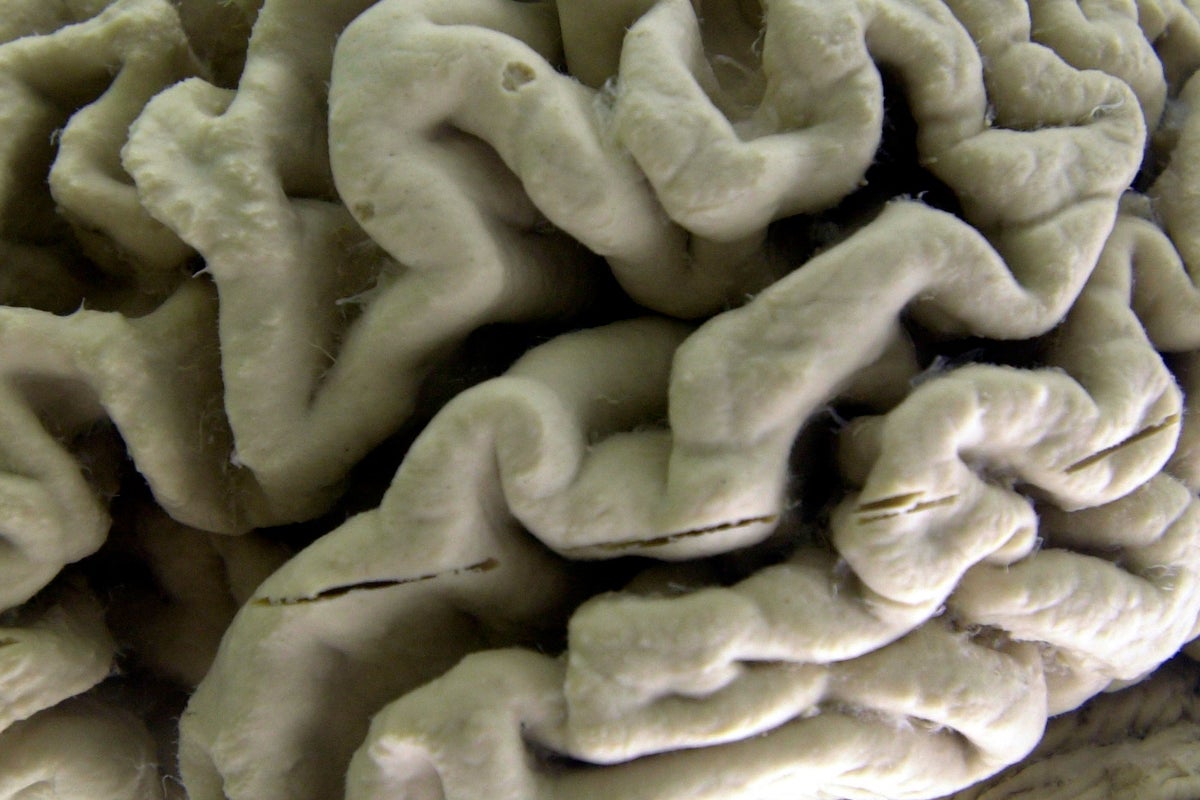
- The study evaluates a blood test with biomarkers related to Alzheimer’s disease.
- Researchers examine whether the test can predict future risk among cognitively healthy older adults.
- People with higher blood-marker levels are reported to be at greater risk of developing Alzheimer’s symptoms.
- The work suggests blood testing could support earlier identification, not only diagnosis.
- Sources describe the findings as promising for risk forecasting, while not indicating a replacement for established clinical assessments.
A blood test that helps diagnose Alzheimer's might also forecast if healthy older adults will develop symptoms
4 hours ago
Delhi High Court to hear PIL seeking medical aid for Sonam Wangchuk
The Delhi High Court is set to hear a public interest litigation (PIL) related to activist Sonam Wangchuk’s deterioratin...

Sam Neill, Jurassic Park star, dies at 78 in Australia
Sam Neill, the New Zealand actor known for playing Dr. Alan Grant in the Jurassic Park film series, has died at age 78....

53-year-old man arrested over alleged plan for indiscriminate killing in Tokyo
Police in Toyama Prefecture arrest a 53-year-old man over an alleged plan to carry out indiscriminate killing in Tokyo,...