


Scientists studying a “quiet” fault in Alaska report that it is missing fluids they expected to be present, and this finding is changing how researchers understand earthquake zones. Earthquake faults can behave in different ways: some lock and then rupture suddenly, producing large earthquakes, while others slip more gradually or creep over time. Researchers anticipated that the fault’s movement would be linked to specific fluid-related processes in the rock, which can influence how strongly faults hold or release stress. Instead, measurements and analysis indicate that the fluids associated with that expected mechanism are not present at the levels or forms predicted. The absence of the expected fluids suggests the fault may be driven by different physical conditions than those commonly used to explain slow slip and creeping behavior. Because fluid content and pressure can affect fault strength and the likelihood of transition between stable sliding and unstable ruptures, the results also affect how scientists estimate where and how earthquakes and related hazards—such as tsunamis—might occur. The study therefore supports the view that earthquake zones can operate under multiple, fault-specific mechanisms.
Study finds Alaska fault lacks expected fluids, reshaping views of earthquake behavior
Scientists studying a “quiet” fault in Alaska report that it is missing fluids they expected to be present, and this finding is changing how researchers understand earthquake zones. Earthquake faults...

- The work examines a quiet Alaska fault that shows slow or non-violent movement rather than frequent sudden ruptures.
- Scientists expected specific fluids to be present on the fault but report that these fluids are missing.
- The findings indicate that fault behavior is not uniform across earthquake zones.
- Fluid-related processes are understood to influence fault strength and slip behavior, and their absence changes interpretations of this fault.
- The study has implications for assessing future earthquake and tsunami risk.
Not all earthquake faults behave the same. Some stick and snap, causing earthquakes. Others move slowly over time.
3 months agoUnderstanding why some faults creep rather than sticking and causing massive earthquakes is important for gauging the future risk of both earthquakes and tsunamis.
3 months ago
SpaceX recovers Starship from the Indian Ocean, shipping it back to Texas
SpaceX recovers its most recently launched Starship from the Indian Ocean about a month after launch and begins moving i...

Trump administration considers trading Yosemite land for a private road access deal
The Trump administration is considering a proposal to transfer a small parcel of Yosemite National Park to a private dev...
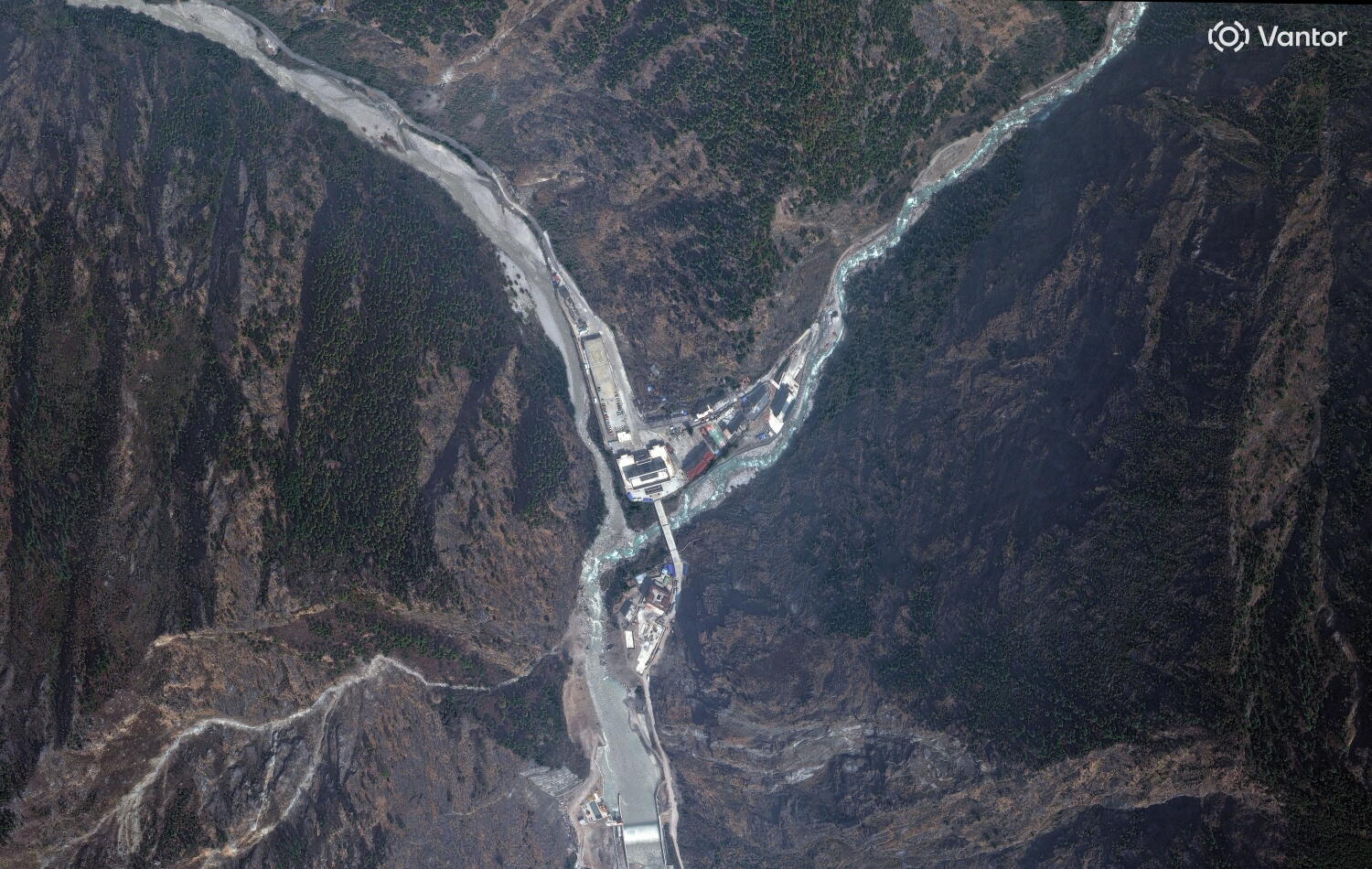
Satellite images reveal devastation from flash floods in Nepal and impacts in China
Satellite images released by multiple outlets show the destruction caused by flash floods affecting Nepal this week. The...