
In northwest Nigeria, families report that child malnutrition and poverty are intensifying in ways they link to the economic effects of the war in Iran. In Sokoto State, Maryam Aminu, who has six children, says her 18-month-old was diagnosed with malnutrition in April for the second time. She describes difficulty providing regular, nutritious meals even before the latest downturn, noting that food availability has become less consistent. Her situation worsened after February when her husband, Shehu Aminu, lost his job as a taxi driver following a rise in petrol prices. Local reporting from health and aid workers indicates that relapses into malnutrition are becoming more common across Sokoto and parts of northern Nigeria. These workers attribute the trend to “knock-on effects” from higher fuel and transport costs associated with the Iran war, which reduce household purchasing power and strain access to food. Across the accounts, the common thread is that financial hardship is limiting caregivers’ ability to feed children adequately, leading to repeated malnutrition diagnoses.
Nigerian children’s malnutrition worsens amid Iran-war-linked poverty
In northwest Nigeria, families report that child malnutrition and poverty are intensifying in ways they link to the economic effects of the war in Iran. In Sokoto State, Maryam Aminu, who has six chil...

- In Sokoto State, an 18-month-old child of Maryam Aminu is diagnosed with malnutrition in April for a second time.
- The family ties worsening conditions to economic hardship that intensified after February.
- Maryam Aminu’s husband loses a taxi-driving job after petrol prices rise following the Iran war.
- Local health and aid workers say malnutrition relapses are increasingly common in Sokoto and northern Nigeria.
- Reports describe reduced ability to provide regular, nutritious food for children.
Maryam Aminu was hardly surprised when the last of her six children was diagnosed with malnutrition in April for a second time. She was barely feeding the 18-month-old regularly, let alone with nutritious foods.
22 hours agoSOKOTO, Nigeria — Maryam Aminu was hardly surprised when the last of her six children was diagnosed with malnutrition in April for a second time. She was barely feeding the 18-month-old regularly, let alone with nutritious foods. Although the family in northwest Nigeria has struggled with economic hardship, their situation deteriorated after February, when her husband, Shehu Aminu, lost his job as a taxi driver due to a spike in petrol prices caused by the war in Iran. “When she was diagnosed the second time, even though I suspected it, I was sad and angry because I knew why,” Aminu said […]...Keep on reading: Nigerian children suffer malnutrition, poverty due to Iran war
1 day agoMaryam Aminu was hardly surprised when the last of her six children was diagnosed with malnutrition in April for a second time. She was barely feeding the 18-month-old regularly, let alone with nutritious foods. Although the family in northwest Nigeria has struggled with economic hardship, their situation deteriorated after February, when her husband, Shehu Aminu, lost his job as a taxi driver due to a spike in the retail price of petrol caused by the war in Iran. "When she was diagnosed the second time, even though I suspected it, I was sad and angry because I knew why," Aminu said in the living area of their unvarnished two-bedroom house in the quiet town of Kware, Sokoto, as ash from the coal stove billowed into the room. "Times are tough, and the food is not consistent." Children relapsing into malnutrition has become an increasingly common occurrence in the state and across northern Nigeria, according to local health and aid workers, who cite knock-on effects from the Iran ...
1 day ago
ePlane unveils India’s first full-scale electric eVTOL prototype ahead of trials
Chennai-based startup The ePlane Company has unveiled what it says is India’s first full-scale electric vertical take-of...

Operation Whirl Stroke detains suspected militants in Benue
Troops from Sector 1 of Nigeria’s Operation Whirl Stroke (OPWS) carry out two separate security operations in Otukpo Loc...
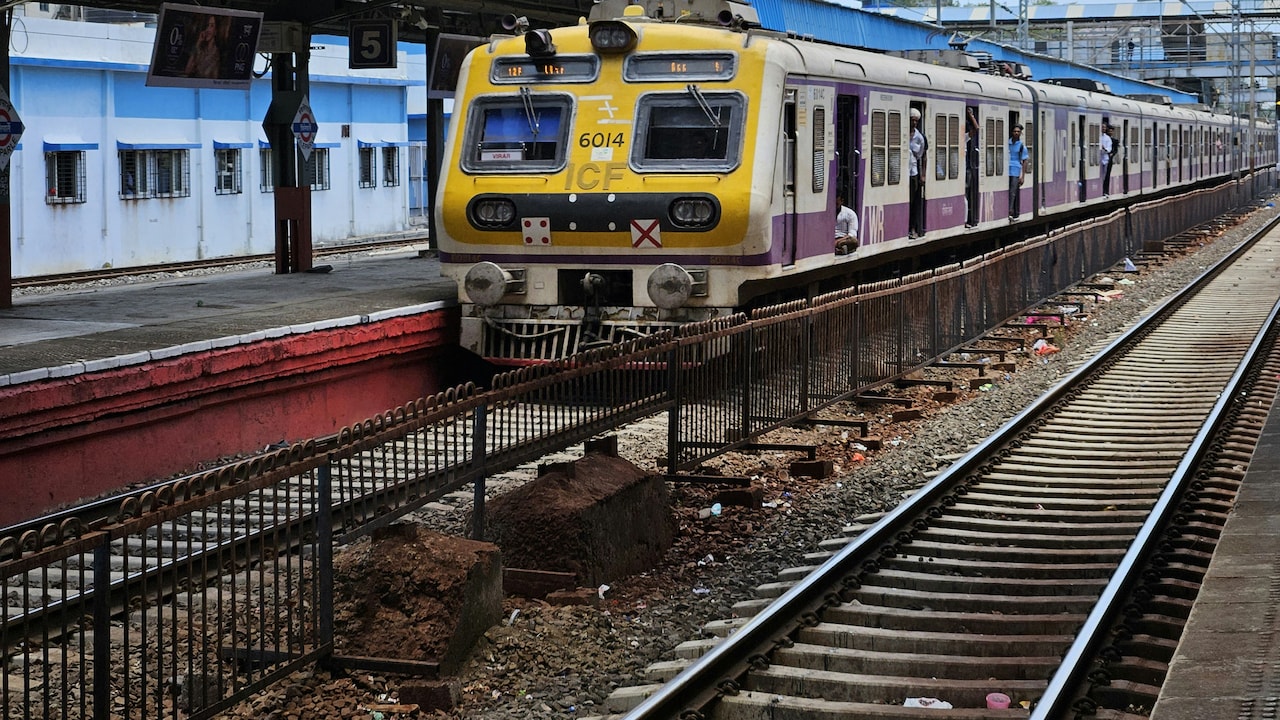
Seat disputes and brawls leave passengers injured on Mumbai local trains; probes underway
Multiple incidents on Mumbai’s suburban rail network raise renewed concerns about commuter safety. On the Central Railwa...